PRESIDENTIAL TALES

From skinny-dipping to modeling: 10 little-known Presidential facts


Published on February 29, 2024


Image: National Archives and Records Administration

Presidents of the United States are often expected to be larger-than-lifesort of superhumanpersonalities, leading the nation with gravity and responsibility. However, just like anyone, they have normal lives, peculiar interests, and sometimes even intriguing personal backstories.

From unconventional hobbies to surprising personal struggles, here are 10 U.S. Presidents with untold tales that might just reshape the way you perceive these historical figures.

1

Wrestling Prowess

Image: Provincial Archives of Alberta

Abraham Lincoln, the 16th U.S. President, wasn't just known for his eloquent speeches and great leadership during the Civil War. Surprisingly, "Honest Abe" was also a very skilled wrestler in his younger days. With over 300 matches under his belt, Lincoln only ever lost one, earning him a reputation as a formidable opponent in the ring.

2

The White House Zookeeper

Image: Nikolay Tchaouchev

While Calvin Coolidge may be mostly remembered for his quiet demeanor, his private life revealed a different side. Coolidge had a penchant for unusual pets, and during his stay at the White House, he turned it into a mini zoo. Besides many other more conventional pets, he owned two raccoons, a donkey, a bobcat, several lion cubs, a Pygmy hippopotamus, a wallaby, a duiker, an antelope, a black bear, and 13 Pekin ducks. Quite the exotic collection!

3

An Extraterrestrial Encounter

Image: Albert Antony

In 1969, years before becoming the 39th President, Jimmy Carter reported a UFO sighting in Georgia. He described seeing a bright light in the night sky that changed colors before disappearing. A few years later, Carter even filed an official report with the International UFO Bureau, making him the only U.S. President to document a personal encounter with unidentified flying objects.

4

Distillery Side Hustle

Image: Dylan de Jonge

Known as the "Father of His Country", George Washington had a side hustle that might surprise many. In 1799, he became one of the largest whiskey producers in the United States, operating a distillery on his Mount Vernon estate. Washington's distillery produced nearly 11,000 gallons of whiskey in 1799 alone. Despite this, Washington was a strong proponent of moderation, knowing well the dangers of drinking alcohol in excess.

5

The Boxing Champion

Image: Austrian National Library

Beyond his many political achievements, Teddy Roosevelt was an avid boxer throughout his life. He kept a boxing gym in the White House and sparred with various aides and diplomats.

While he embraced vigorous physical activities as a means of fighting various health issues, he was occasionally injured. He reportedly lost sight in one eye due to a detached retina from a particularly intense boxing match with a military aide, proving that he truly embodied his maxim: Speak softly and carry a big stick.

6

A Skinny-Dipping Habit

Image: Tyler Palmer

John Quincy Adams, the 6th President, had an unconventional daily routine. He was known for skinny-dipping in the cold waters of the Potomac River every morning, believing it invigorated both his body and mind. At the time, it wasn’t odd to bathe naked in a river, but his doctor wasn’t fully convinced of the health benefits of his peculiar practice. However, Adams staunchly defended his right to do so, and sometimes even invited family members or political acquaintances to join him in the Potomac.

7

A Short Modeling Stint

Image: Gerald R. Ford Presidential Library

Before entering politics, Gerald Ford left his mark in the fashion industry. In his late twenties, he worked as a model, even appearing on the cover of Cosmopolitan in 1942. Ford's modeling career was short-lived, as a few years later he would start campaigning in local Republican politics, but it adds an unexpected layer to the image of the 38th President.

8

The Gifted Musician

Image: Dolo Iglesias

Often remembered for his shortcomingslike the Watergate scandalRichard Nixon had a hidden musical talent: playing the piano. Reportedly, he was an accomplished pianist, even performing with the likes of Pearl Bailey and Jack Benny. Behind his political mask, he was an intelligent and sensitive man, and while his musical abilities were overshadowed by his political career, it shows that there’s always more to a person than meets the eye.

9

Presidential Polyglot

Image: Alicia Razuri

Thomas Jefferson, 3rd U.S. President and one of the most influential political figures in the history of our country, was known for being proficient in several languages, including French, Italian, Spanish, and German. He was interested in linguistics and studied ancient languages like Latin, Greek, and even Old English. Documents found posthumously in his library suggest that he was also interested in Arabic, Irish, and Welsh, but it is unknown how proficient he was in those languages.

10

A Committed Life-saver

Image: Camille Brodard

Before Ronald Reagan entered politics, he worked as a lifeguard, saving 77 lives during his seven summers on duty. He even saved a little girl from drowning while serving as Governor of California! Reagan's transition from lifeguard to Hollywood actor eventually paved the way for his political career, proving that even the most unexpected career paths can lead to the highest office.
National melodies

10 national anthems with a curious story


Published on February 29, 2024


Image: Colin Lloyd

The purpose of a national anthem is to foster a sense of patriotism and unity among the citizens of a nation, but there are as many ways to achieve this as there are nations. While some anthems reflect on glorious deeds of the past, others express a shared desire for peace and prosperity, or celebrate love for their country, its lands, its leaders, and, at times, even the leaders of another nation. Let’s take a look at 10 national anthems with curious stories.

1

"The Star-Spangled Banner" (United States of America)

Image: Marcus istrfry

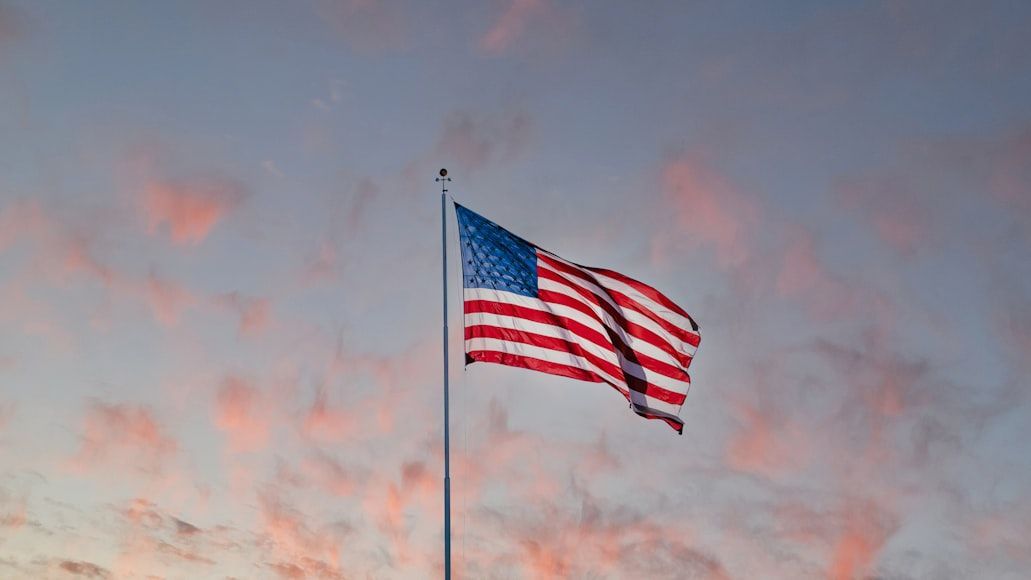
We all know the story of how The Star-Spangled Banner was written after a battle, but did you know it was not officially adopted as the national anthem for over a century? Composed during the War of 1812 under the title Defence of Fort M’Henry, it quickly became popular as a patriotic song and was officially adopted by the U.S. Navy in 1889. It was not declared the national anthem until 1931.

Some critics point to references in the third stanza—particularly language interpreted as relating to slavery—as well as the documented views of its author, Francis Scott Key. However, opposition to the song’s adoption at the time was more often based on its difficult vocal range and competition from other popular patriotic songs. Despite these debates, the poem—especially its first stanza—has long been regarded as a symbol of national unity.

2

"Wilhelmus" (The Netherlands)

Image: Hendrik Kuterman

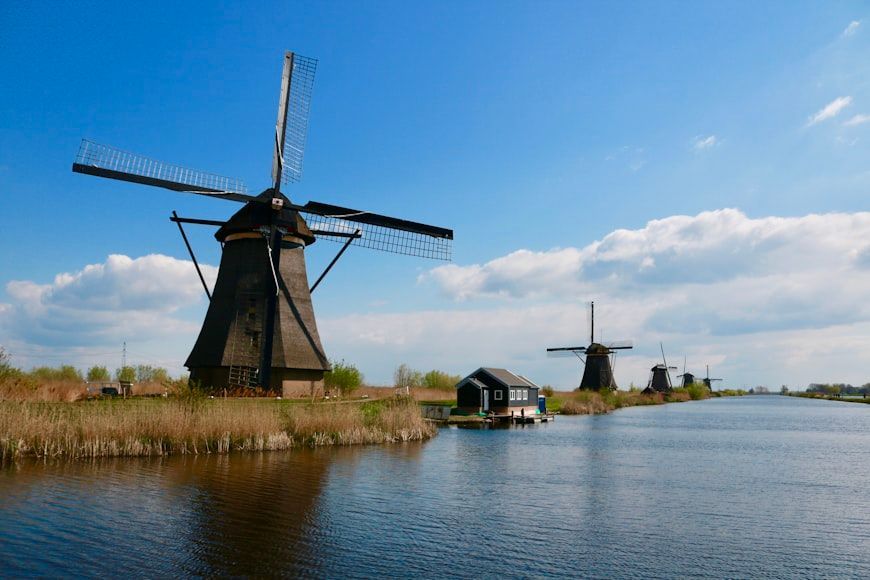
Composed in 1572, it is one of the oldest national anthems still in use. The lyrics are written from the perspective of William of Orange—the leader of the Dutch revolt against the Spanish Empire—and reflect his inner struggles between his loyalty to the Spanish King and his duty to his people.

Though the original text has at least 15 stanzas, only the first stanza and sometimes the sixth are sung today, which can be confusing for those unfamiliar with the historical context, as the first stanza ends by declaring undying loyalty to the king of Spain.

3

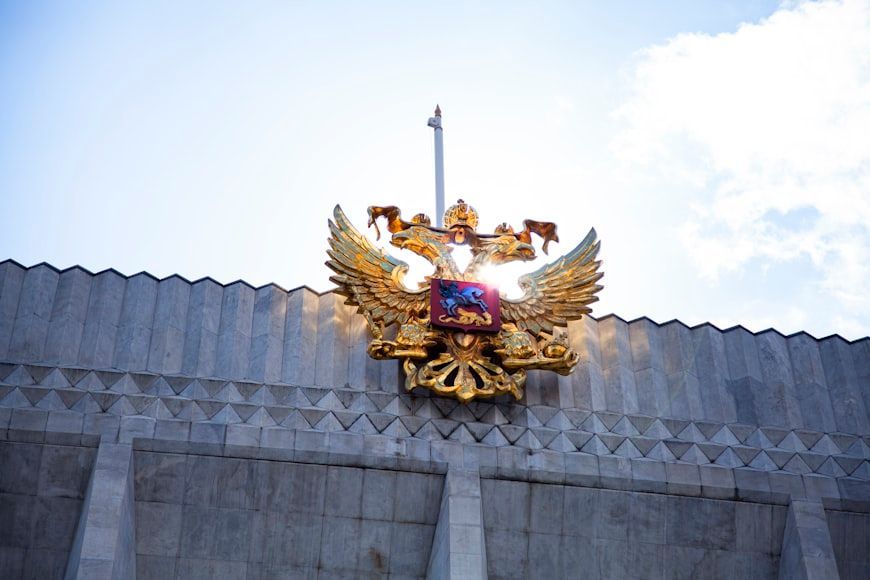
"State Anthem of the Russian Federation" (Russia)

Image: Tamara Malaniy

After the 1917 Russian Revolution, the newly formed Soviet Union adopted the socialist anthem The Internationale as its national anthem. In 1944, the Soviet government replaced it with a new anthem centered on Soviet Russia, with lyrics that emphasized the Soviet fatherland and Joseph Stalin’s leadership, though it was often performed without lyrics after Stalin’s death.

Following the collapse of the Soviet Union in 1991, the Russian Federation adopted an instrumental piece known as The Patriotic Song, composed in 1833 by Mikhail Glinka. After a decade of debates, and citing the need for an anthem that people could sing, the government decided to restore the former Soviet melody, this time with newly written lyrics.

4

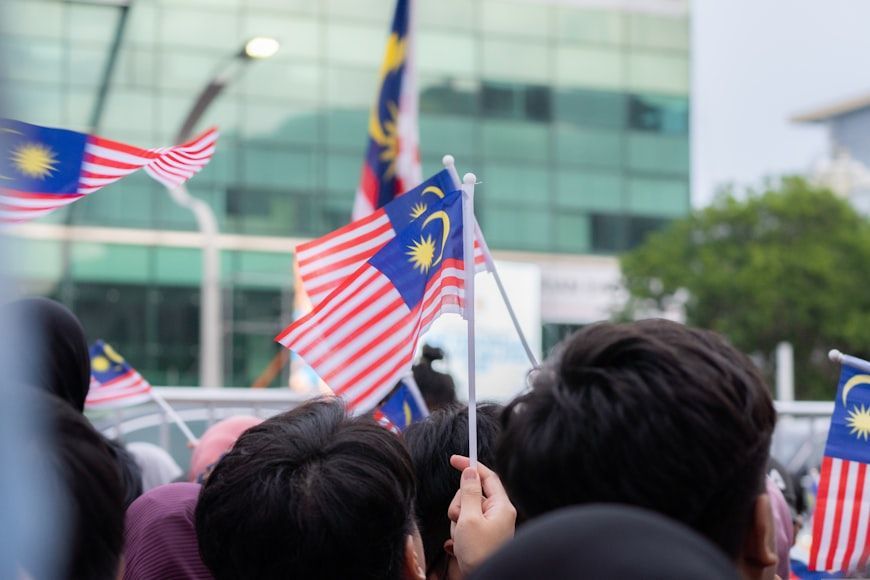
"My Country, Malaysia" (Malaysia)

Image: Putra Mahirudin

How many countries can say that they owe their national anthem to a moment of panic? At least one. Malaysia’s national anthem was adopted after its independence from the United Kingdom, using the melody of the anthem of the state of Perak. But where does that melody come from?

When the Sultan of Perak attended the coronation of King Edward VII in 1902, his delegation was asked to provide their state anthem. Not having one, he improvised and adapted the melody of a popular tune from the Seychelles. This melody was later adopted as the official anthem of Perak and eventually became the basis for Malaysia’s national anthem.

5

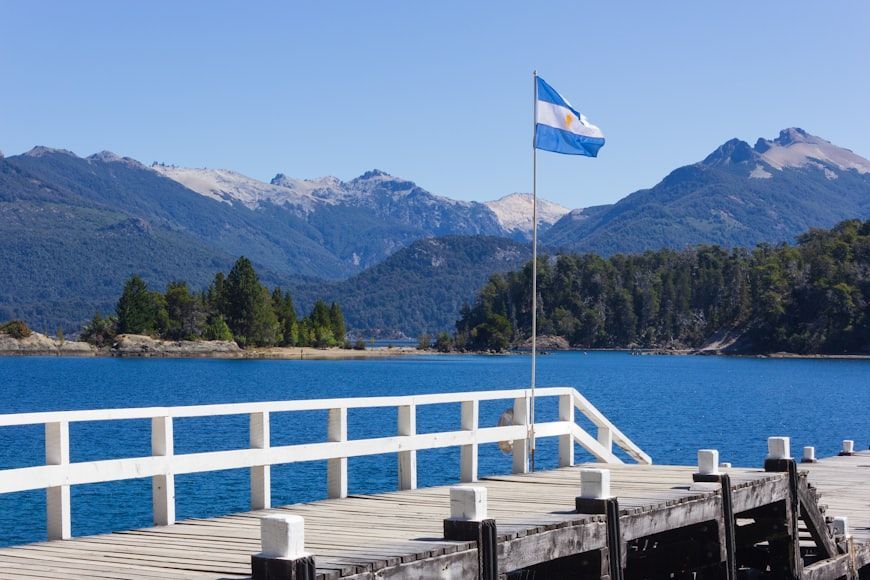
"Argentine National Anthem" (Argentina)

Image: Fernando Távora

Composed and adopted as the national anthem during the Argentine War of Independence, but before the formal declaration of independence from Spain, this song was initially called the Patriotic March. It was much longer than the current anthem, and its lyrics were controversial, as they portrayed Spain as a tyrannical and bloodthirsty nation.

The anthem originally contained nine stanzas—including accusations towards Spain—which were used until 1924, when improved diplomatic relations with Spain and the arrival of thousands of Spanish immigrants led the government to shorten the lyrics and omit the more controversial parts.

6

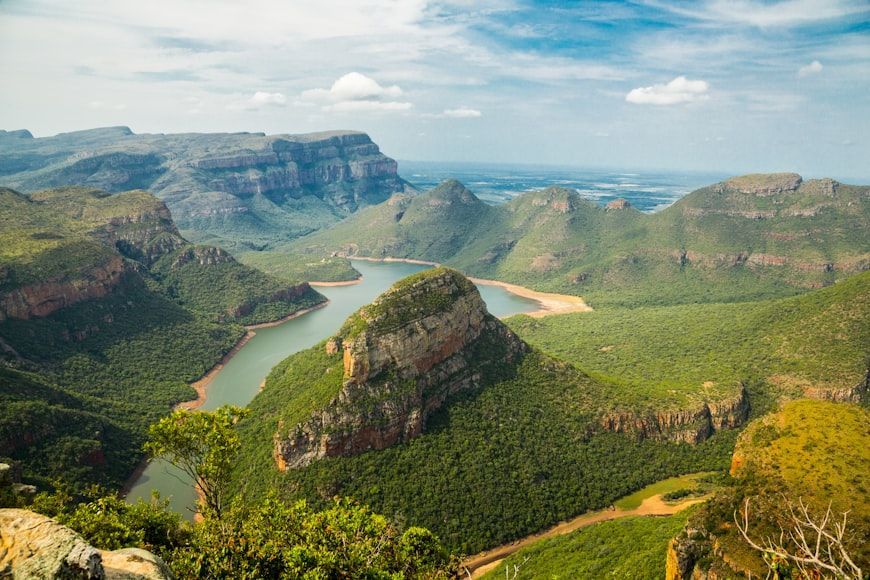
"National Anthem of South Africa" (South Africa)

Image: Lina Loos

Famed for having lyrics in five of the twelve official languages of the country —Xhosa, Zulu, Sesotho, Afrikaans, and English— this anthem was officially adopted after the end of apartheid, and reflects a broader desire for national unity.

The post-apartheid government initially retained the former Afrikaans anthem, while also adopting the Xhosa hymn Nkosi Sikelel' iAfrika (God Bless Africa), which had long been used as a song of resistance. Maintaining two anthems proved impractical, so their lyrics were combined and translated into other majority languages to create a single national anthem that could represent all South Africans.

7

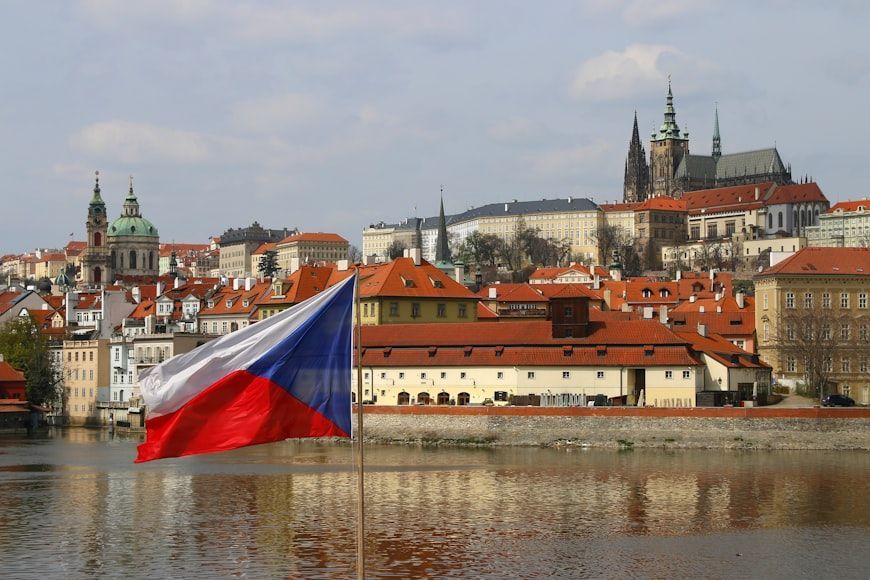
"Kde domov můj" + "Nad Tatrou sa blýska" (Czechia and Slovakia)

Image: Radek Kozák

When Czechoslovakia existed as a single state, it adopted a combined national anthem consisting of the first stanza of the Czech song Kde domov můj ("Where Is My Home?"), followed by the first stanza of the Slovak song Nad Tatrou sa blýska ("Lightning over the Tatras").

After the country’s peaceful dissolution in the Velvet Divorce (1992), Czechia retained Kde domov můj as its national anthem, while Slovakia retained Nad Tatrou sa blýska, which is typically performed with two stanzas and in its traditional form.

8

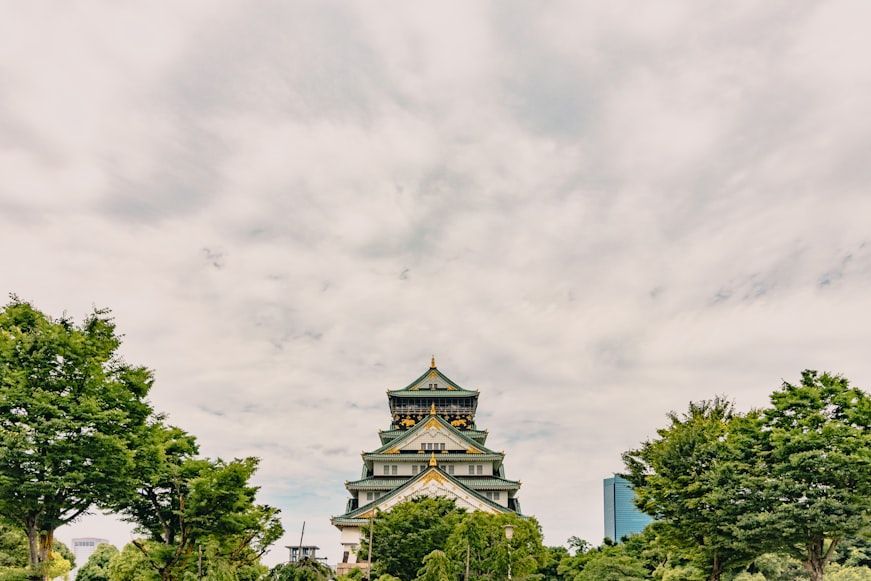
"Kimigayo" (Japan)

Image: Joshua Tsu

Though its lyrics come from a poem dating to the 8th-10th centuries, Kimigayo was not adopted as Japan's national anthem until 1888, and it's one of the world’s shortest anthems. After World War II, it was not officially designated as the national anthem due to its imperial associations, though it continued to be used. It regained formal legal status in 1999.

Often translated into English as His Majesty's Reign, its initial verse is commonly rendered as "may your reign [continue]." The word kimi has historically been used for the emperor, and the song's brief lyrics express a desire for the Imperial reign to endure for thousands of years, "until the tiny pebbles grow into massive boulders."

9

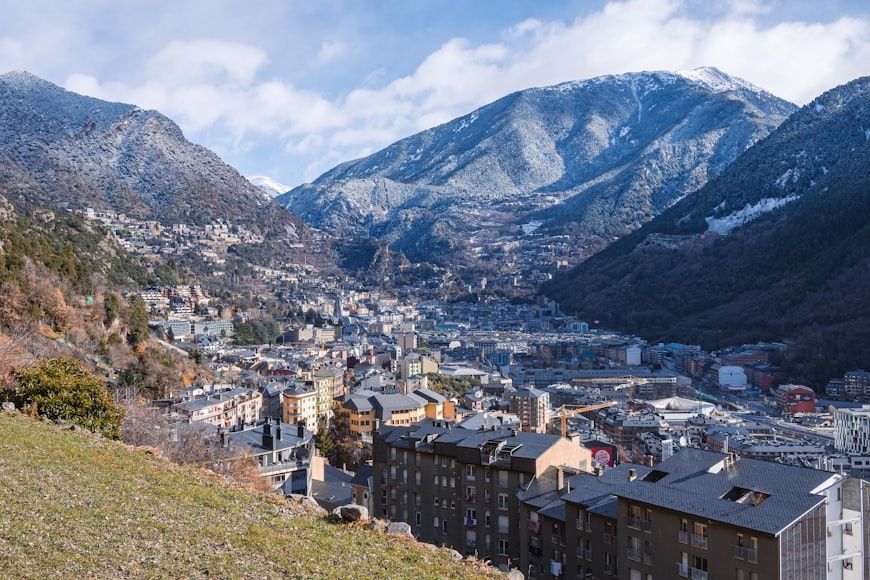
"El Gran Carlemany" (Andorra)

Image: Jossuha Théophile

In a similar fashion to the Wilhelmus, the Netherlands anthem, Andorra’s anthem is also written from a first-person perspective, this time not from an individual but the country itself, remembering its glorious past.

Composed in the early 20th century, it was adopted as the national anthem in 1921. In the lyrics, Andorra presents itself as a princess, daughter of Charlemagne, and describes itself as the "only remaining daughter of the Carolingian Empire."

10

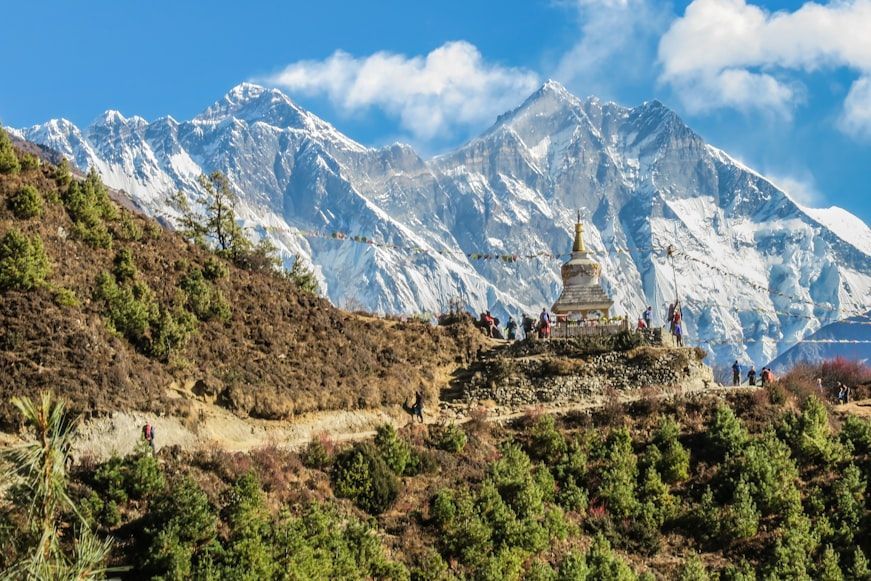
"Woven from Hundreds of Flowers" (Nepal)

Image: Sebastian Pena Lambarri

A relatively new anthem, _Sayaun Thunga Phool Ka_—adopted in 2007—replaced the Shriman Gambhir following the abolition of the monarchy in Nepal. It’s notable for its distinctive melody, upbeat and joyful, quite different from other solemn or martial tone anthems.

The lyrics describe Nepal as a garland woven from hundreds of flowers, stretching from one corner of the country to the other, and emphasize the diversity of its people and landscapes.

Looking for an extra scoop of literary fun?

Learn more with our Word of the day

tame

/teɪm/