CRIMINAL ARCHIVE

Was Pretty Boy Floyd really pretty? 10 criminals’ nicknames explained


Published on April 2, 2024


Image: Ye Jinghan

Just like an artist chooses a stage name, criminals have long used aliases to instill fear and avoid capture. These pseudonyms often embody part of the essence of the individual behind the mask, or are related in some way or another to their past.

Let's delve into the stories behind these 10 infamous criminal aliases and the individuals who wielded them.

1

Scarface

Image: Miami Police Department

Al Capone, dubbed "Scarface" for the distinctive scar on his face, was one of America's most notorious gangsters during the Prohibition era. He earned the scar during his time in the Five Points Gang of New York. Capone insulted a woman while working in a gang-operated dance hall, only to be viciously attacked by her brother, who slashed his face with a knife. In time, his hair-raising alias became synonymous with organized crime in Chicago, where he ran speakeasies and engaged in bootlegging.

2

The Skyway Man

Image: Artur Tumasjan

Frank Abagnale, an American con artist famous for his many frauds against individuals and small businesses during the ‘60s, earned the alias "The Skyway Man" for his audacious scheme of impersonating a Pan Am pilot and using his status to cash fraudulent checks without suspicion everywhere in the world. His life was later portrayed in the acclaimed Steven Spielberg film "Catch Me If You Can."

3

Jackrabbit

Image: Indiana State Penitentiary

John Dillinger was a notorious bank robber during the Great Depression, known for his brazen heists and daring escapes from the police. His dangerous exploits earned him the nickname "Jackrabbit" due to his graceful movements during heists, such as leaping over the counter - something he allegedly copied from the movies. The FBI also dubbed him "Public Enemy Number One," and his larger-than-life figure epitomized the glamorization of outlaws in American folklore.

4

The Zodiac Killer

Image: Nastya Dulhiier

The Zodiac Killer, an unidentified serial killer active in California during the late 1960s and early 1970s, earned his alias for his taunting letters sent to newspapers and police, filled with cryptic ciphers and threats and signed under the "Zodiac" pseudonym. Though the police identified a series of potential suspects, the killer behind the letters was never positively identified, leaving behind an enduring mystery surrounding his identity and motives.

5

Blackbeard

Image: Jean Leon Gerome Ferris

Blackbeard was the nickname of Edward Teach, a notorious English pirate who roamed the Caribbean during the early 18th century. He earned his alias for his fearsome appearance and ruthless tactics. The pirate was described as a tall man with a thick black beard, often braided into pigtails. During battles, he often stuck lighted slow matches under his hat to scare his enemies. However, despite his appearance and reputation, most historians believe that Blackbeard never murdered or harmed those he held captive.

6

The Teflon Don

Image: Rob Wicks

John Gotti, a powerful Mafia boss in New York City during the 80s, earned the alias "The Teflon Don" for his ability to evade conviction despite numerous charges against him. His apparent legal invincibility was achieved by intimidating witnesses and buying jury members with the help of the Gambino crime family. However, he was eventually convicted by the FBI after a lengthy investigation, receiving life in prison without parole.

7

The Black Widow

Image: Konrad Summers, CC BY-SA 2.0

Griselda Blanco, a Colombian drug lord known for her ruthlessness, earned the alias "The Black Widow" for reportedly ordering the killing of each of her husbands. Also known as the "Godmother", she rose to prominence in the underworld of Miami during the 1970s and was known for her penchant for eliminating rivals who dared cross her path.

8

The Mob's Accountant

Image: Scott Graham

Meyer Lansky was a key figure in organized crime during the Prohibition era, as he earned his alias "The Mob's Accountant" for his financial prowess in managing illicit enterprises. Lansky’s alias reflected his strategic role in introducing money laundering and offshore banking in 1932 to the American criminal underworld. However, until his death in 1983, he was never found guilty of anything more than illegal gambling.

9

The Unabomber

Image: George Bergman, GFDL 1.2

Ted Kaczynski, an American domestic terrorist and mathematician, gained notoriety as "The Unabomber" for his targeting of universities and airlines with homemade bombs. But before his real identity was known, the FBI internally used the name UNABOM (meaning University and Airline Bomber) to refer to his case. The media soon picked up the FBI identifier and creatively transformed it into the "Unabomber."

10

Pretty Boy Floyd

Image: Roman Kraft

Charles "Pretty Boy" Floyd, a Depression-era bank robber and folk hero, earned his alias for his youthful appearance and charm. His exploits and story contributed to the romanticized image of the outlaw as a Robin Hood figure, as he was believed to burn mortgage documents during robberies, in theory freeing many people from life-long debts.
10 foods that the Americans and the Brits call different names


Published on April 2, 2024


Image: 9dream studio

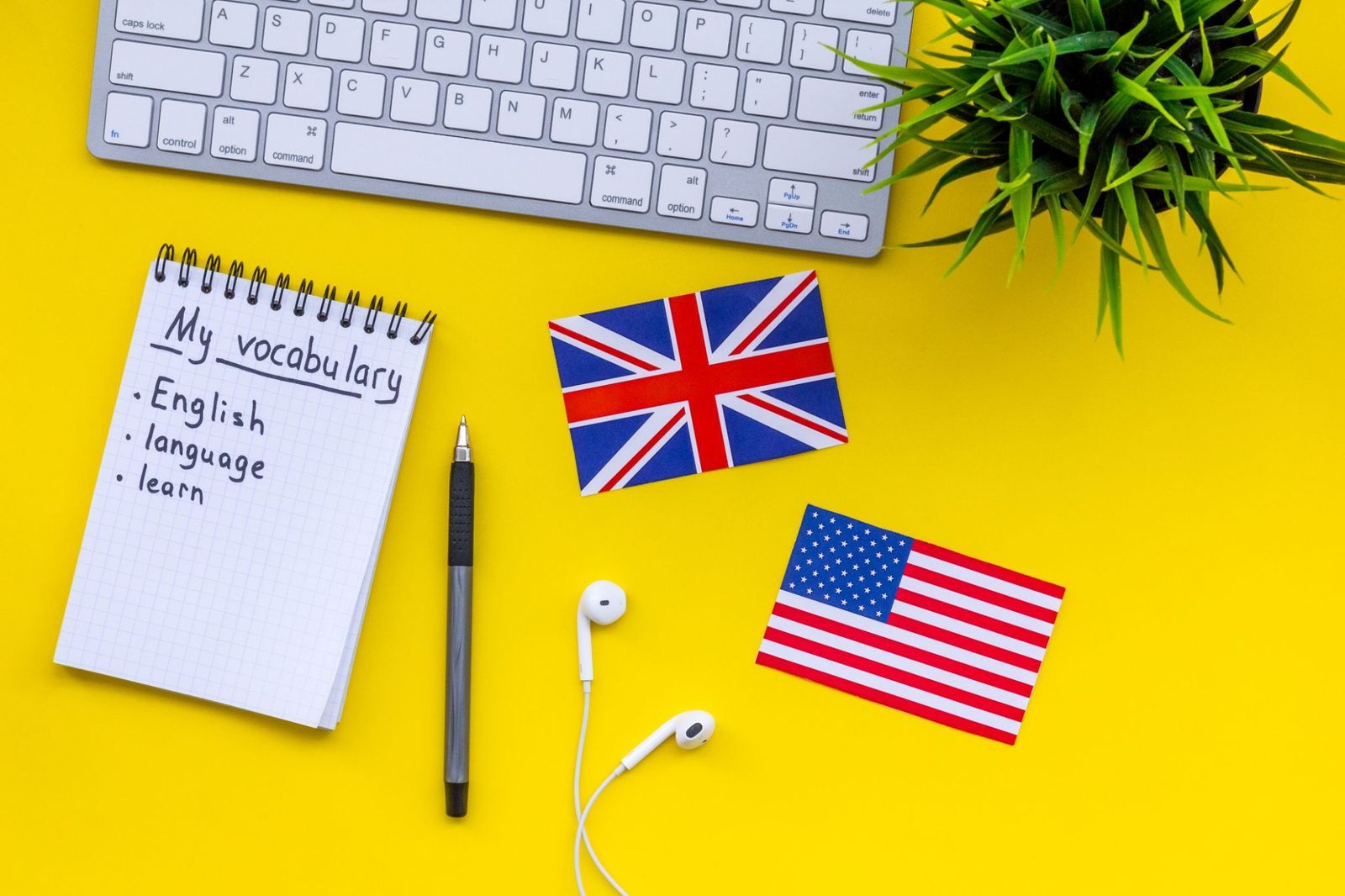
Even though we speak the same language as the Brits, walking into a grocery store across the pond can feel like learning a whole new code. Why do we use completely different terms for the exact same thing? Setting aside cooking and recipes, it all comes down to centuries of history, different language roots, immigration, and old trade roots. Here is the fascinating story behind the word origins that drove these transatlantic food names apart.

1

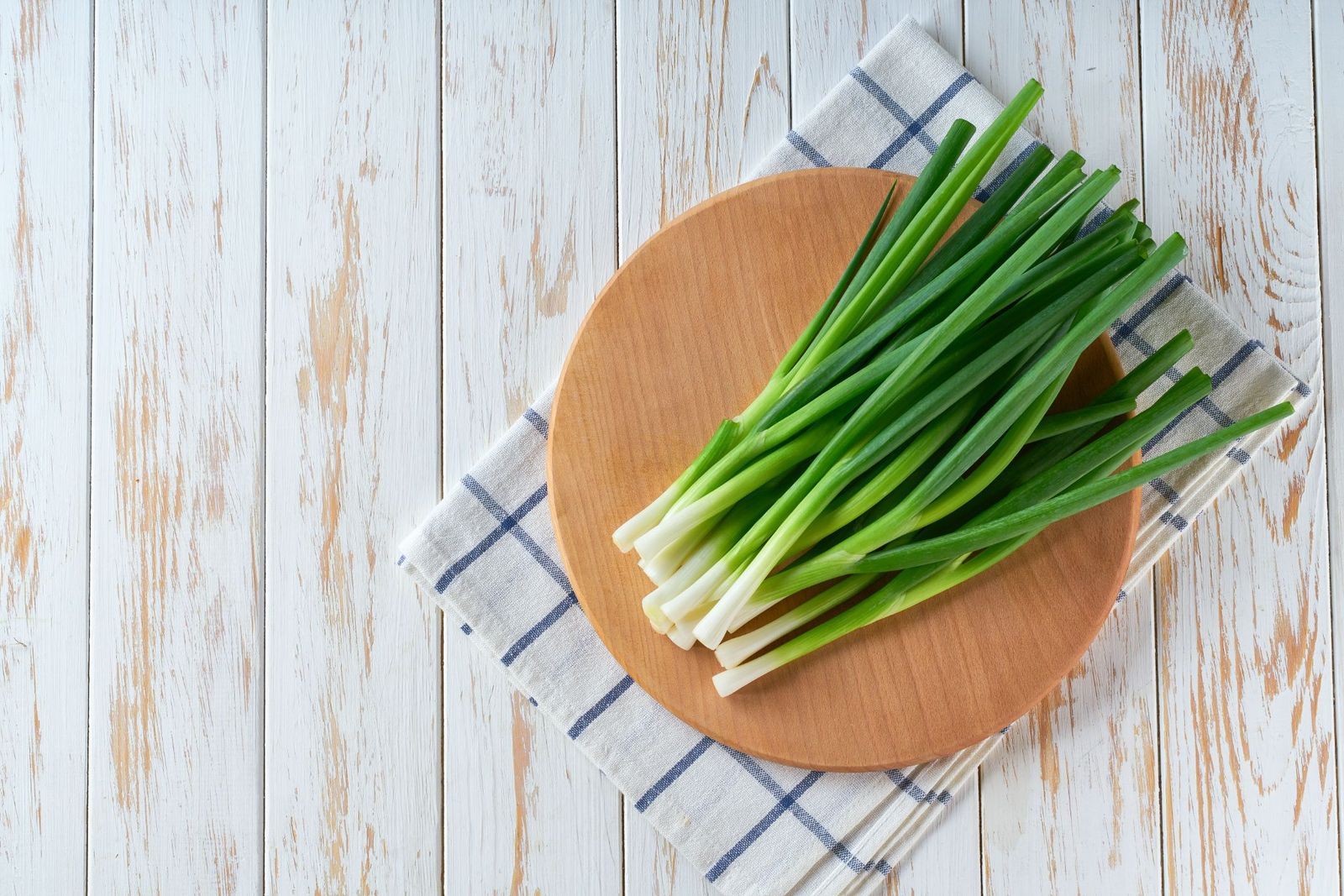
Spring onion vs. scallion

Image: itor

Over centuries of farming trade, these green onions have had different names. In the United States, we use the word scallion, which can be traced back to Old French (escalogne) and Latin (Ascalonius), meaning "onion of Ascalon", an ancient port city in the Levant (modern-day Israel) famous for growing this vegetable.

The preferred British term, in contrast, is a straightforward description based on the time of year (spring) when these young onions are harvested.

2

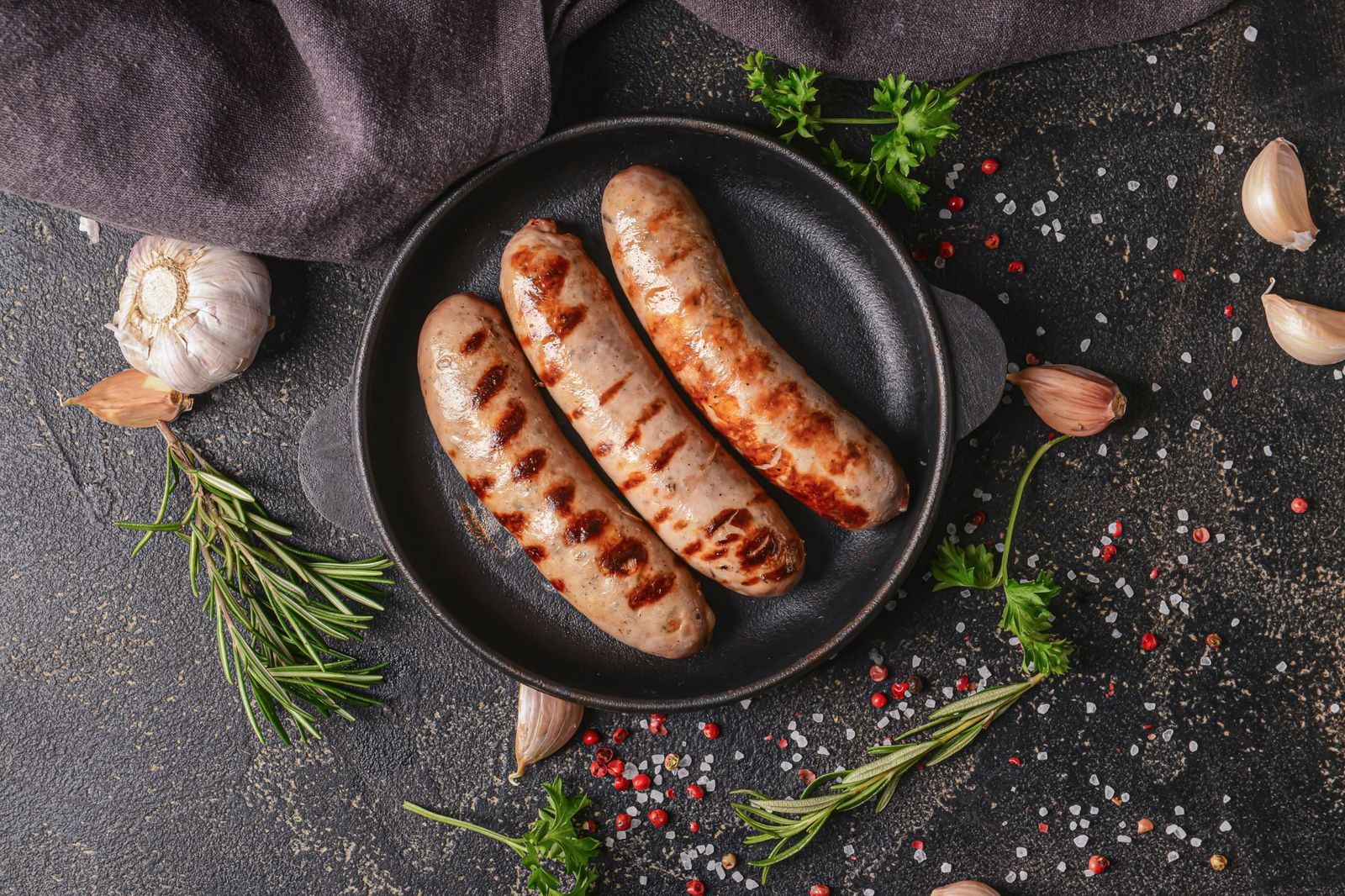
Banger vs. sausage

Image: Pixel-Shot

The general term sausage is rooted in the Latin salsus ("salted"), entering English via the Old French saucisse to describe minced meat preserved in casings.

The British colloquialism banger, however, is a 20th-century linguistic creation. Originating during the meat shortages of World War I, pork links were stretched with water, cereal, and starches. When placed into a hot frying pan, the trapped internal moisture turned to steam, causing the casings to rupture with a popping sound. The resulting noise gave rise to the moniker "bangers".

3

Biscuit vs. cookie

Image: Marcia Salido

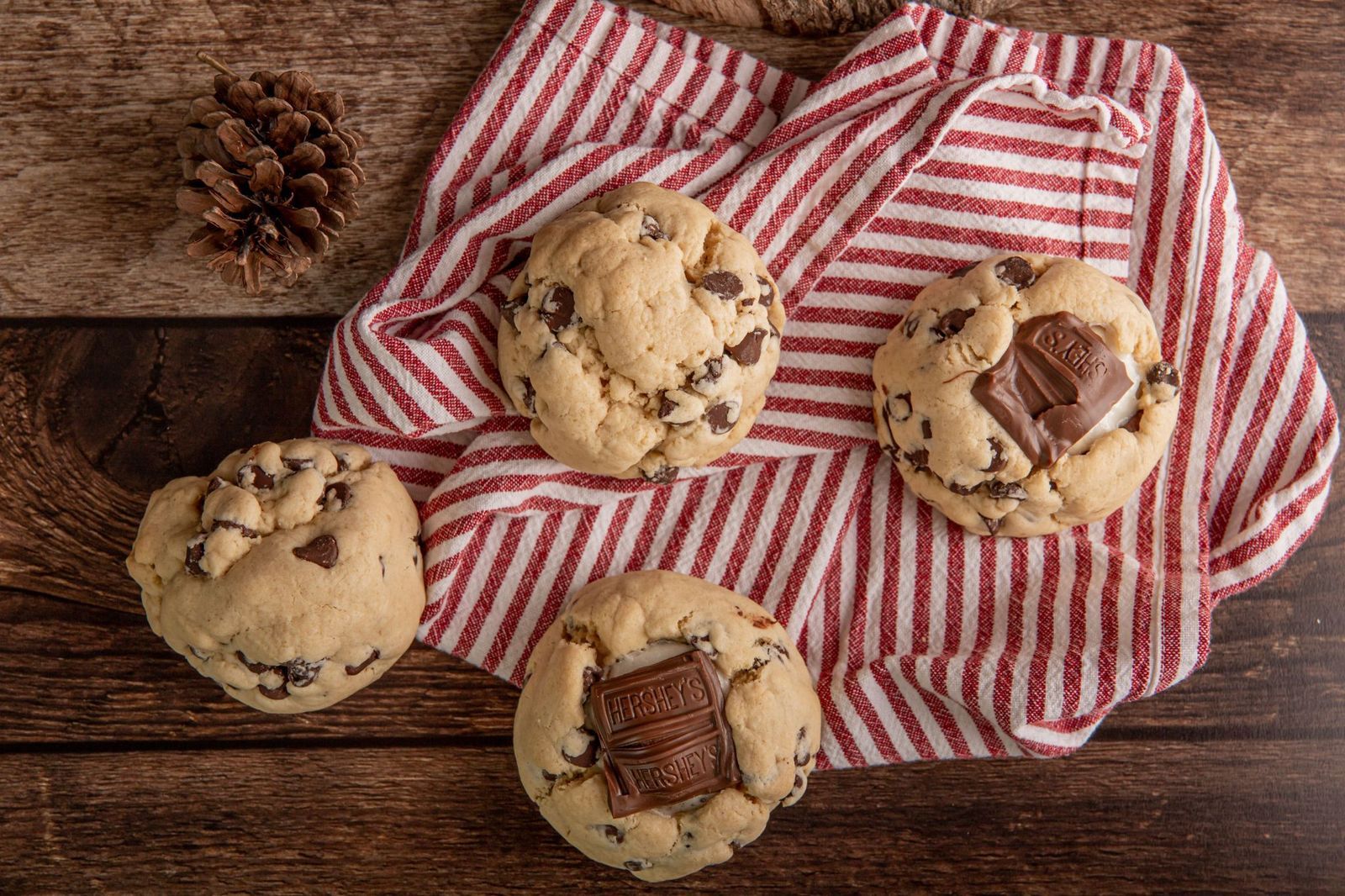
The history of baked goods reflects centuries of trade and travel around the world. The word biscuit comes from the Latin bis cactus (meaning "twice-cooked"). It passed through Old French as the word we use today to describe hard-baked items made to last on long ocean voyages.

The word cookie came to America through early Dutch settlers in New Netherlands (now New York). It stems from the Dutch word koekje, a diminutive version of koek ("cake"). In brief, British English kept the Latin-based term for dry baked snacks, and American English adopted the Dutch word to describe a treat similar to a small cake.

4

Aubergine vs. eggplant

Image: Bowonpat Sakaew

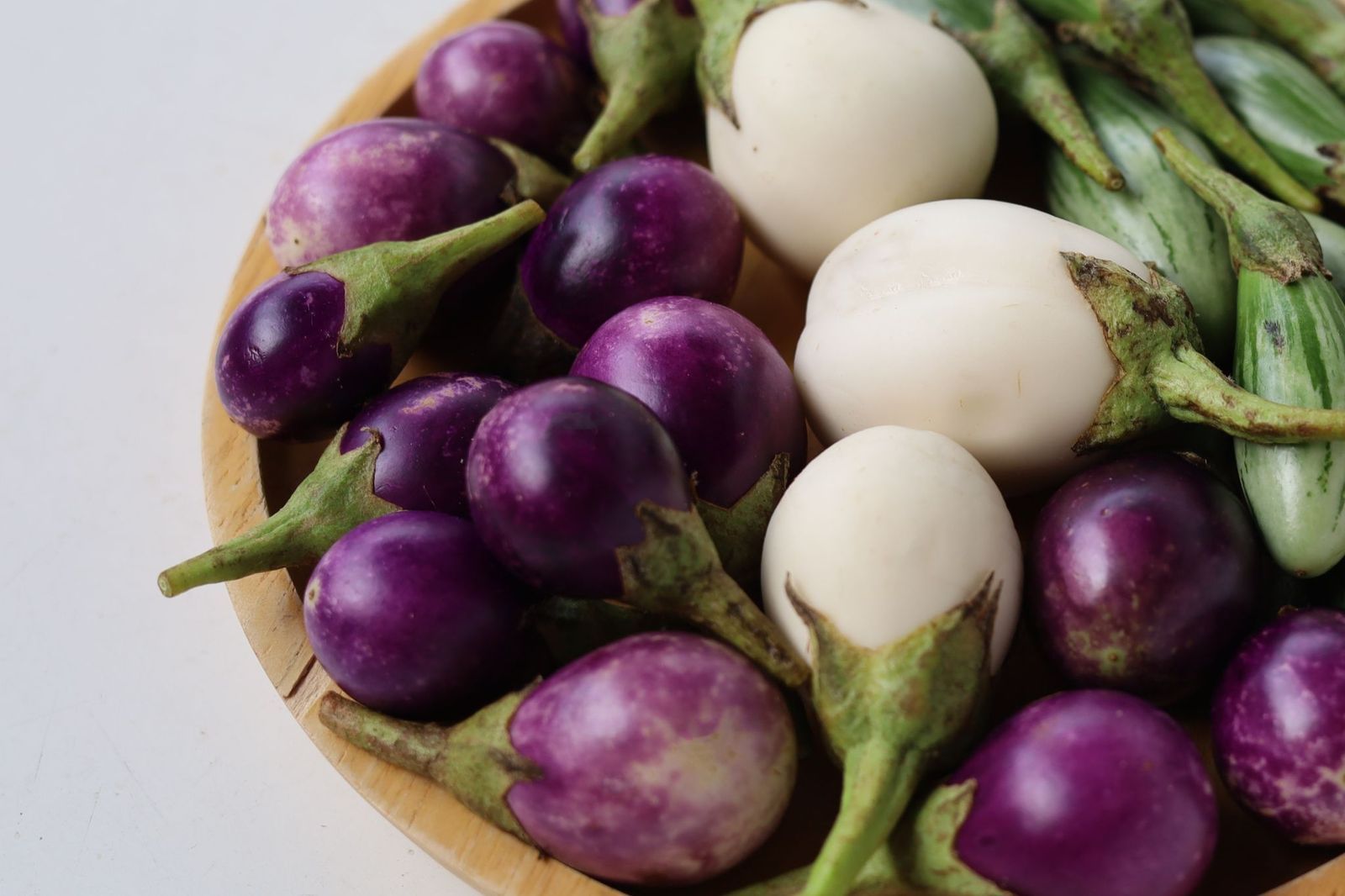
Used in British English, the word aubergine was adopted from French, which inherited the term from the Catalan albergínia. This European form can be traced back through the Arabic al-bāḏinjān, which itself borrows from the ancient Persian bādengān and ultimately the Sanskrit vāti-maṅga. The plant itself is native to southern or eastern Asia, so it’s no surprise that the word has undergone a linguistic journey rooted in the East.

But in the United States, we use the term eggplant instead, which emerged in the 18th century because early European varieties imported to America looked remarkably similar in color, size, and shape to white or yellow goose eggs.

5

Gammon vs. ham

Image: hlphoto

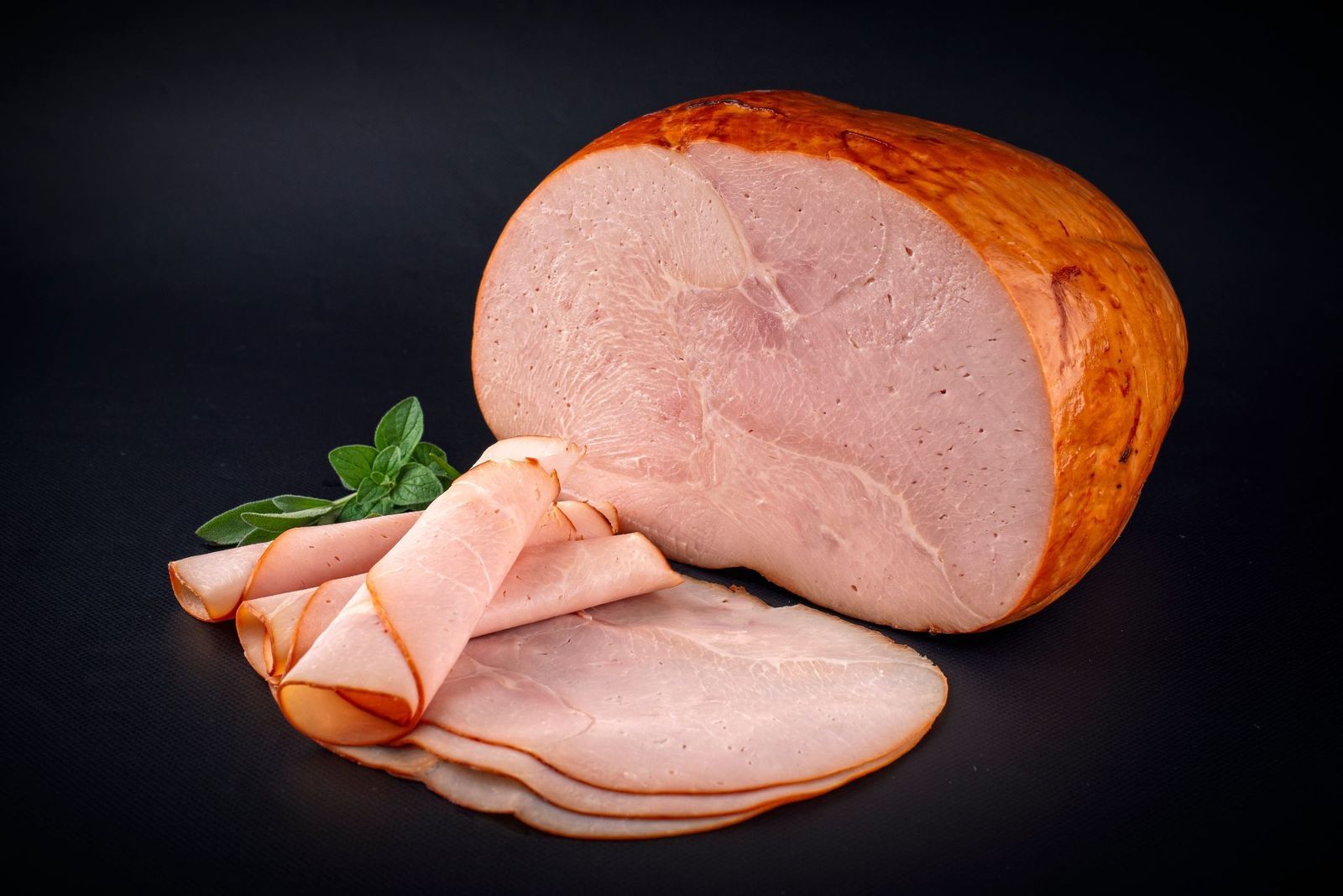
While both words designate cured cuts from the hind leg of a pig, their historical roots reflect different aspects of Germanic and Romance vocabulary development in medieval Europe. Ham is a direct inheritance from Old English hamm, which originally referred not to the meat itself, but to the hollow or bend of the knee or the thigh of an animal.

Gammon, on the other hand, entered English during the Middle English period via Old French (gamon), deriving from jambe (leg), which traces back to the Late Latin gambum. While American English merged these terms under just "ham", British English kept the etymological distinction between the raw cured cut (gammon) and the finished product.

6

Sprinkles vs. hundreds & thousands

Image: Ermak Oksana

These tiny, colorful sugar decorations used on ice cream and baked goods have completely different names on either side of the Atlantic. In American English they are called sprinkles, a name derived from the verb sprinkle, which traces back to Middle English and Germanic roots meaning to scatter small particles or droplets.

Funnily enough, in Britain they are known as hundreds & thousands, a playful descriptive phrase from the 19th century that refers to the sheer multitude of tiny sugar beads packed together on a treat.

7

Courgette vs. zucchini

Image: Matheus Bertelli

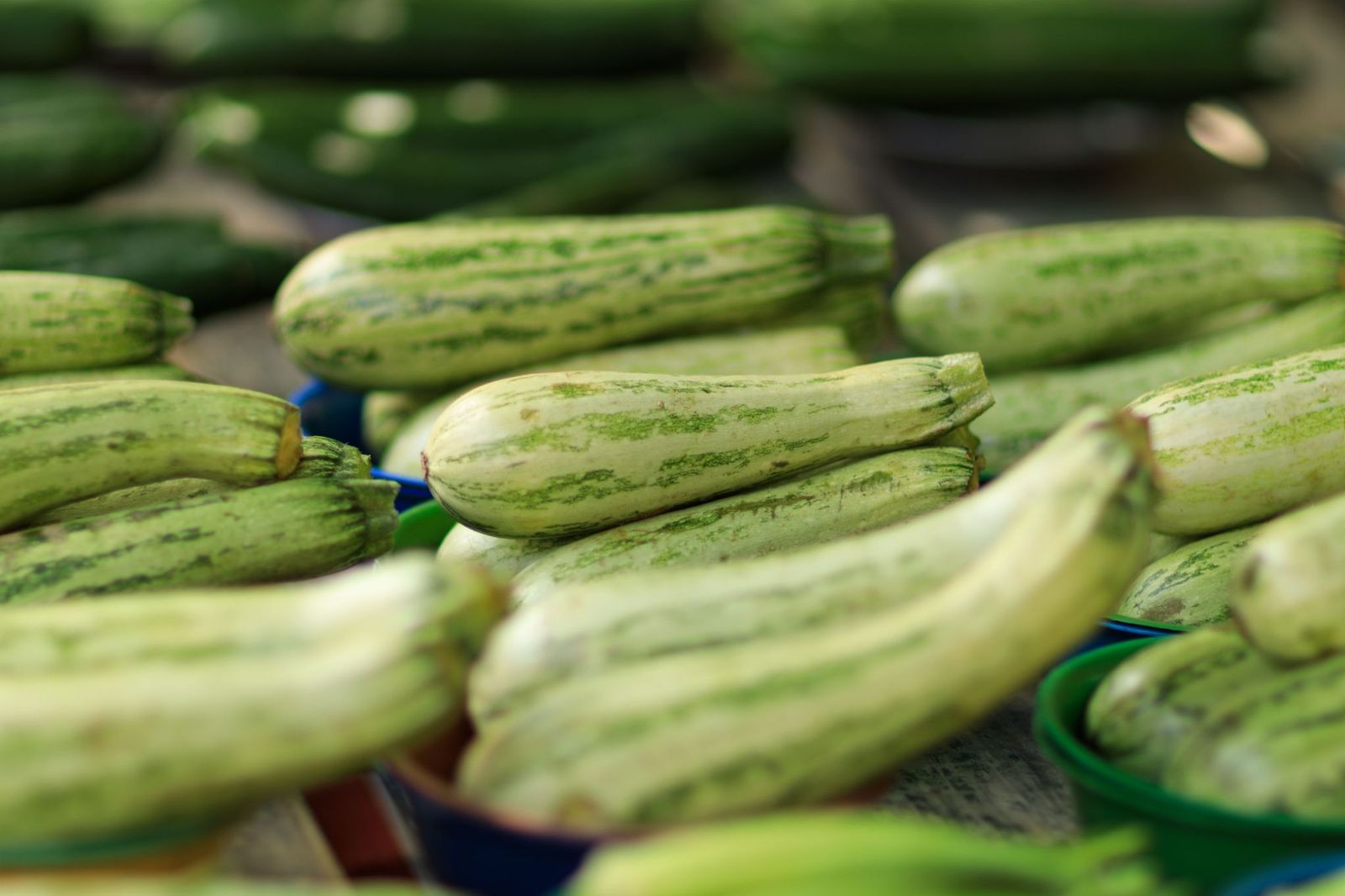
Both terms for this green summer squash share a distant ancestor in the Latin cucurbita ("gourd"), but they took different paths through Romance languages. Americans use zucchini, which comes directly from zucchina, the plural diminutive form of the Italian zucca ("pumpkin or gourd").

The British term courgette arrived via the French language as a diminutive form of courge ("gourd"). Therefore, both words etymologically mean "little gourd", separated only by whether Italian or French traders and loanwords dominated the respective nation’s lexicon.

8

Rocket vs. arugula

Image: Bowonpat Sakaew

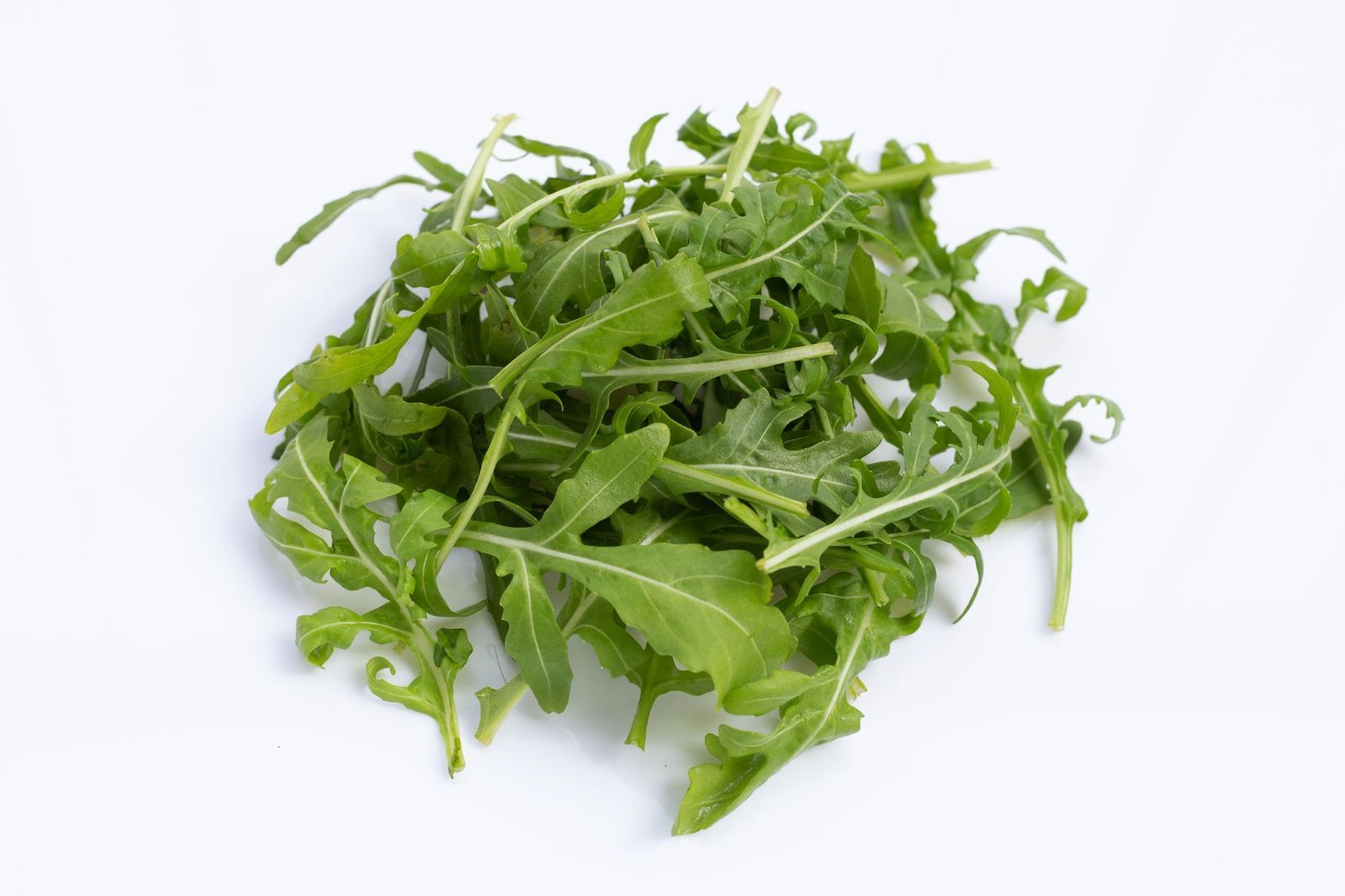
Even though this peppery green has different names today, they both come from the same ancient word. Rocket, used in Britain, Australia, and New Zealand, evolved from the French roquette. This French term is a direct descendant of the Latin noun eruca, the ancient name for the plant.

Arugula, on the other hand, entered American English as a loanword from regional Italian dialects (specifically rucola), which is a corruption of the Latin eruca. In the end, despite of sounding very different, both rocket and arugula are phonetic variations of the same ancient Roman botanical term.

9

Chips, fries, or crisps?

Image: MSPT

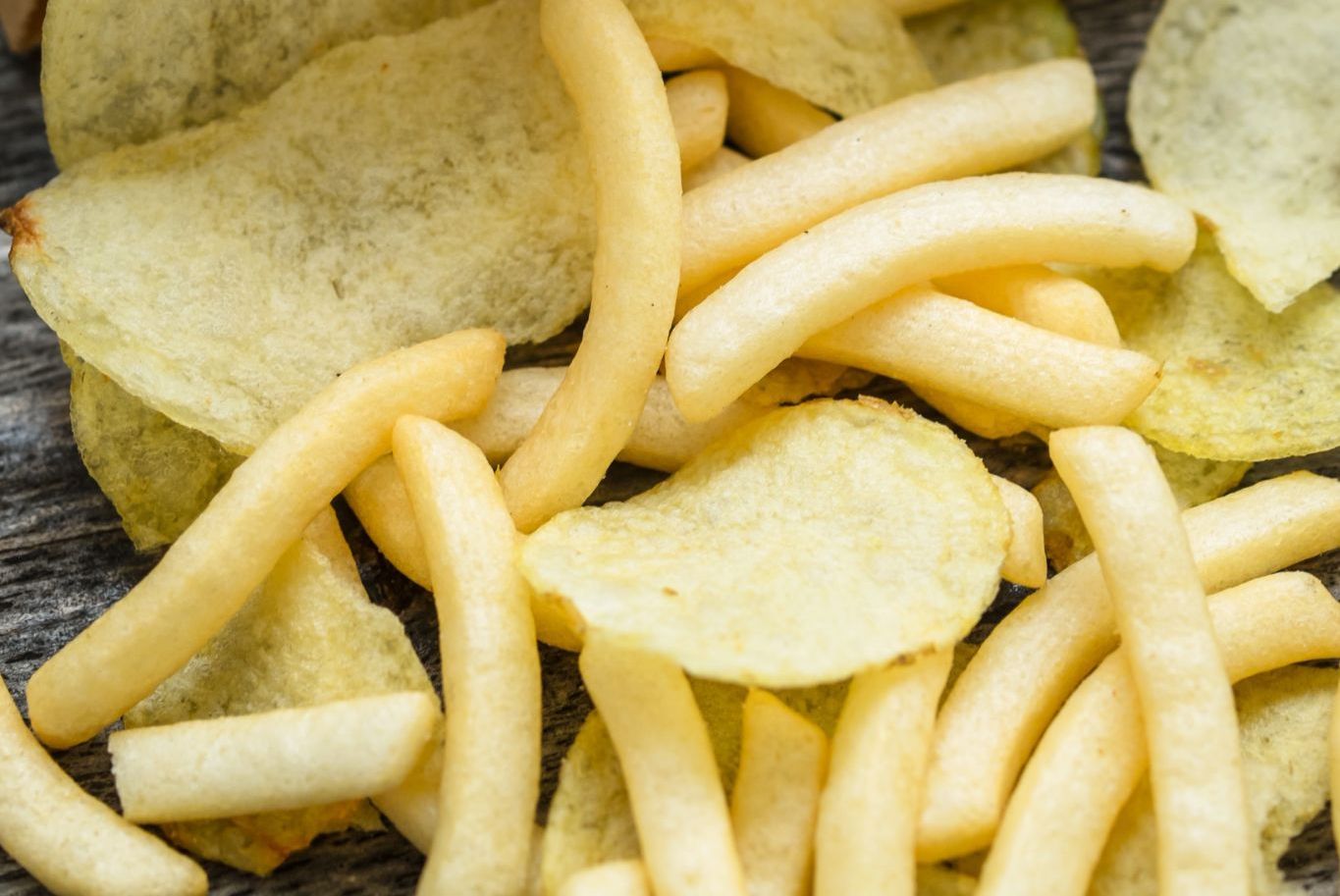
The term French fries (often shortened to "fries" in the U.S.) refers to the culinary technique of "Frenching"—cutting vegetables into long, thin strips—popularized in American English during the early 20th century.

In British English, fried potato strips are called simply chips, using an existing English word traditionally used for carved pieces of wood or stone. To distinguish thin, bagged potato slices from hot potato chips, in the 20th century the British coined the term crisps, in reference to the adjective describing their brittle texture.

10

Coriander vs. cilantro

Image: New Africa

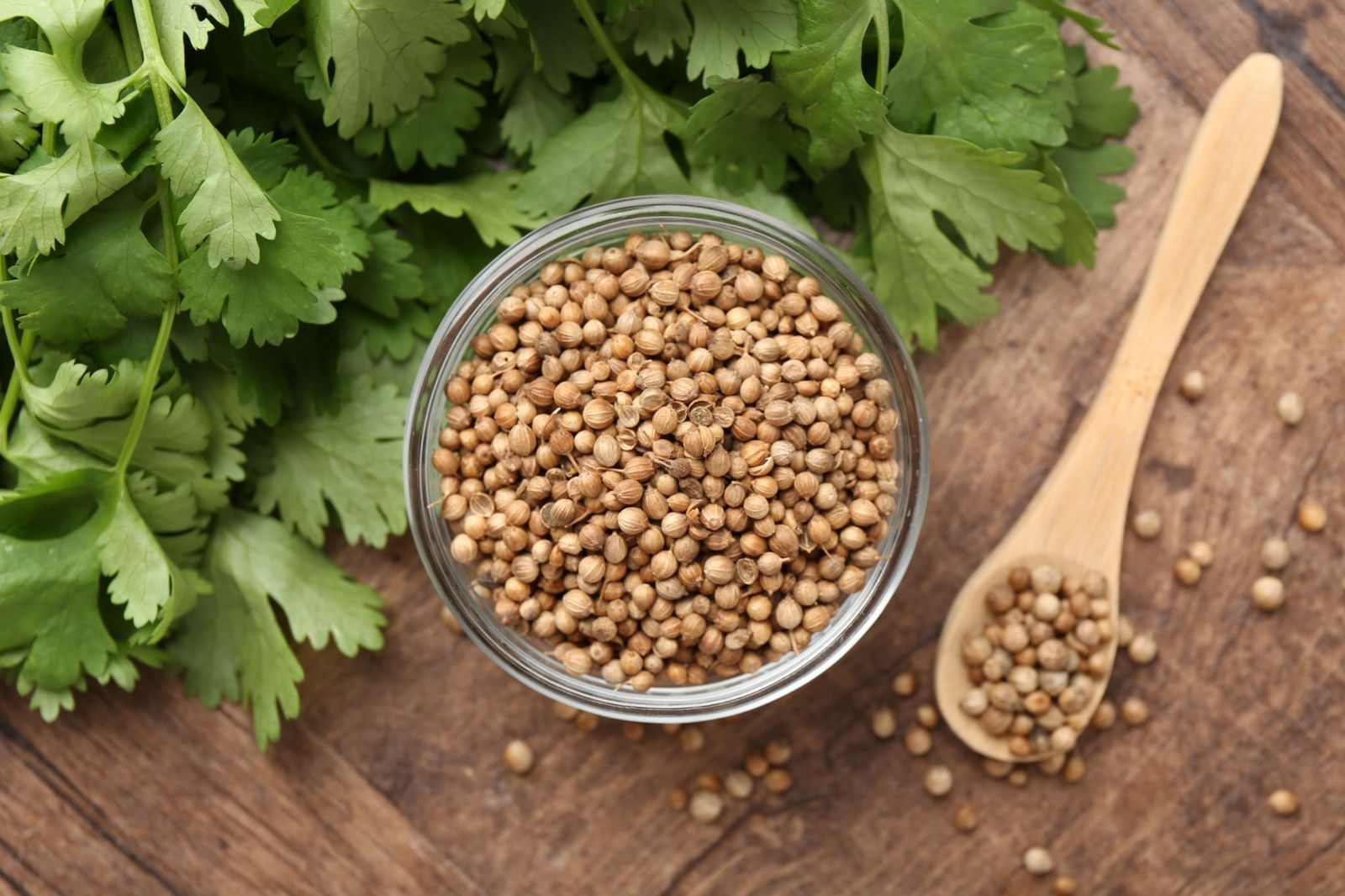
What people call this plant actually depends on whether they mean the seeds or the green leaves. The word coriander has ancient roots, entering English via Old French from the Latin coriandrum, which was borrowed from the Greek koriannon. Interestingly, linguists trace the Greek root back to koris (a bug), likely a reference to the pungent aroma of the fresh leaves.

Cilantro, used in American English specifically for the leaves, is the Spanish word for the plant, derived from the same Latin root (coriandrum).

Looking for an extra scoop of literary fun?

Learn more with our Word of the day

busybody

/ˈbɪziˌbɑdi/