ALL THINGS VINTAGE WERE ONCE NEW, RIGHT?

How Many Of These 10 Vanished Food Brands Do You Recognize?


Published on July 22, 2024


Image: Nik

Few things are more comforting and nostalgia-inducing than the foods we used to eat when we were kids. That includes the flavors, the package designs, and, especially, the brands that are no longer around.

Many prestigious and cherished names have gone the way of the Dodo a long time ago but there are always cases that linger in our memory. In this list, we have dug up ten examples of such treasures. Do you remember any of them?

1

Burry's

Image: Clem Onojeghuo

Not many cookies can claim to be as famous and successful as Girl Scout cookies. And the old-school brand Burry's Biscuit Co. was just that. That is how big they were. The brand was created in the late 19th century and was a big name in the cookie and cracker industry for decades.

Its factory in New Jersey was the largest producer of assorted treats in the country in the 1960s. These days, the brand is unheard of and only makes baked goods such as bagels, English muffins, bread, and rolls.

2

Force

Image: Ryan Pouncy

A great name for a brand that provides the strength that a good breakfast should provide, right? Force was one of the first wheat-based cereal brands and it was introduced by the Force Food Company in 1901.

Its mascot was a cartoon character named Sunny Jim, who turned from ill-tempered to happy after eating the cereal. Even though it found success both in the US and in the UK, the brand was discontinued in 2013.

3

Curtiss

Image: Vinicius Amano

In the early 20th century, Curtiss Candy Company was one of the biggest brands with its name on many iconic treats including Baby Ruth, Butterfinger, and Coconut Grove. Quite the roster, right?

In fact, the candies Baby Ruth and Butterfinger are still around today but sold under a different brand name. Curtiss Candy Company was sold in 1964 and eventually merged with the giant Nabisco brand.

4

Sunny Jim

Image: Towfiqu barbhuiya

Sunny Jim was a famous brand of peanut butter founded by a German entrepreneur named Germanus Wilhelm Firnstahl who bought a peanut roaster and factory during The Great Depression.

By the 1950s, its manufacturer Pacific Food Products Co. supplied a third of all the peanut butter in Seattle. However, it was sold in 1979 for $3 million to the Bristol Bay Native Corp.

5

Ayds

Image: Gabriel Dalton

While the fate of a product whose name sounds like a terrible disease may have been written on the wall, back in the 1930s, Ayds was quite popular as an appetite-suppressant candy popular in the 1930s. It contained chemicals similar to those used in cough medicine to make people eat less.

It was marketed by movie stars and magazines printed "real life stories" from people who had success with the candy. Its downfall came when it refused to change its name during the AIDS crisis in the 1980s. Maybe not their best move.

6

Snow Crop

Image: Mateusz Feliksik

Imagine being the first orange fruit concentrate brand at the time when frozen foods were taking off. That's how good Snow Crop had it. Everybody wanted it, and the brand single-handedly increased the popularity of the frozen aisle.

After the orange juice craze, it brought out frozen peas, broccoli, spinach, and strawberries, but was retired sometime in the 1970s.

7

Freezer Queen

Image: Dev Benjamin

Frozen dinners have been a staple of American food for quite some time now and Buffalo-based brand Freezer Queen was a big player in the TV dinner market in the 1950s.

Its products included Homestyle Gravy & Meatloaf Slices, Gravy & Sliced Turkey, and Gravy & Salisbury Steak. However, it was unexpectedly dropped after the factory failed a food safety inspection.

8

Swanson

Image: Duskfall Crew

Keeping on with the frozen dinner trend, we can’t avoid the brand that created the category. Swanson’s first tray had turkey, mashed potatoes, and gravy, and it was reheated in the oven.

Launched in the 1950s, around the time more women were going into the workforce, they were wildly successful. These days they’re sold under the Hungry-Man brand.

9

Lucky Whip

Image: Nathan Bingle

Before Cool Whip, there was Lucky Whip. The dessert topping came in a box as well as a spray can and it was a staple in kitchens across the country in the 1960s and 1970s.

You may remember its ads with cute kids putting the whipped topping onto desserts. Sadly, by the 2000s it had all but vanished from the shelves.

10

Mug-O-Lunch

Image: Ioann-Mark Kuznietsov

The equivalent of a TV dinner, but in a cup, the curiously-named brand of dehydrated meals from General Mills, Mug-O-Lunch was known for being quick, convenient, and, yes, tasty.

It appeared in the 1970s, the era of all sorts of weird and wonderful convenience foods, and included varieties like macaroni and cheese, spaghetti, and beef noodles. It lasted on shelves a few years before, alas, it was discontinued.
THIS ARTICLE AIN’T NO HARDTACK

Call Me Ishmael and Learn 10 Old Whaling Terms


Published on July 22, 2024


Image: Austin Neill

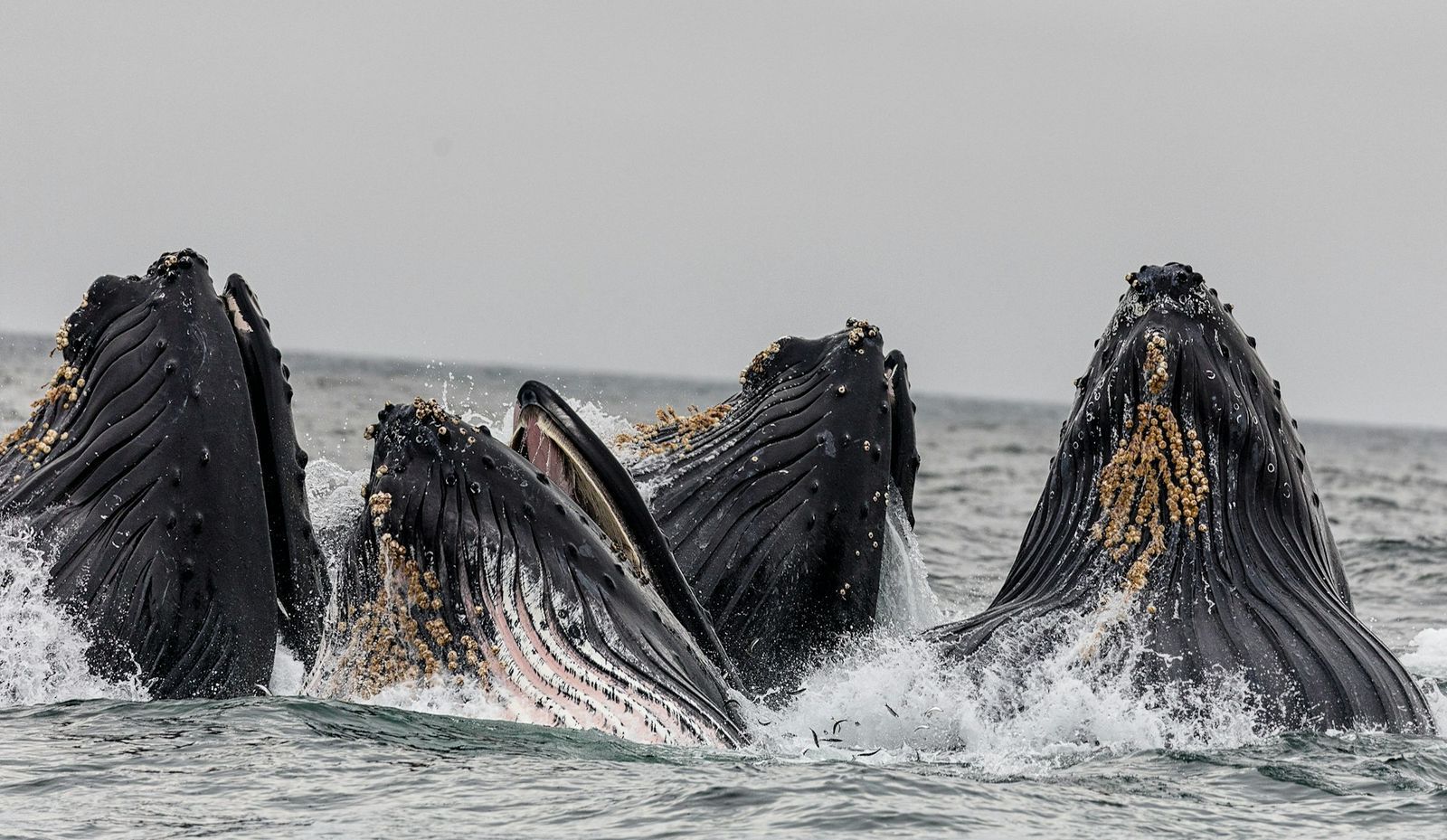
Even though every profession has its own lingo, few are as colorful as the nautical ones. Maybe it has to do with the sea breeze or the adventurous nature of the people who dared to spend a long time at sea at a time when neither medicine nor safety were very advanced. In any case, the sea has always been a treasure trove of specific terms, and the ancient whaling profession had quite a few idioms of its own. In the following list, we embark on a voyage across ten of these terms. So, scroll on and learn a thing or two, sailor!

1

Green Hand

Image: Museums Victoria

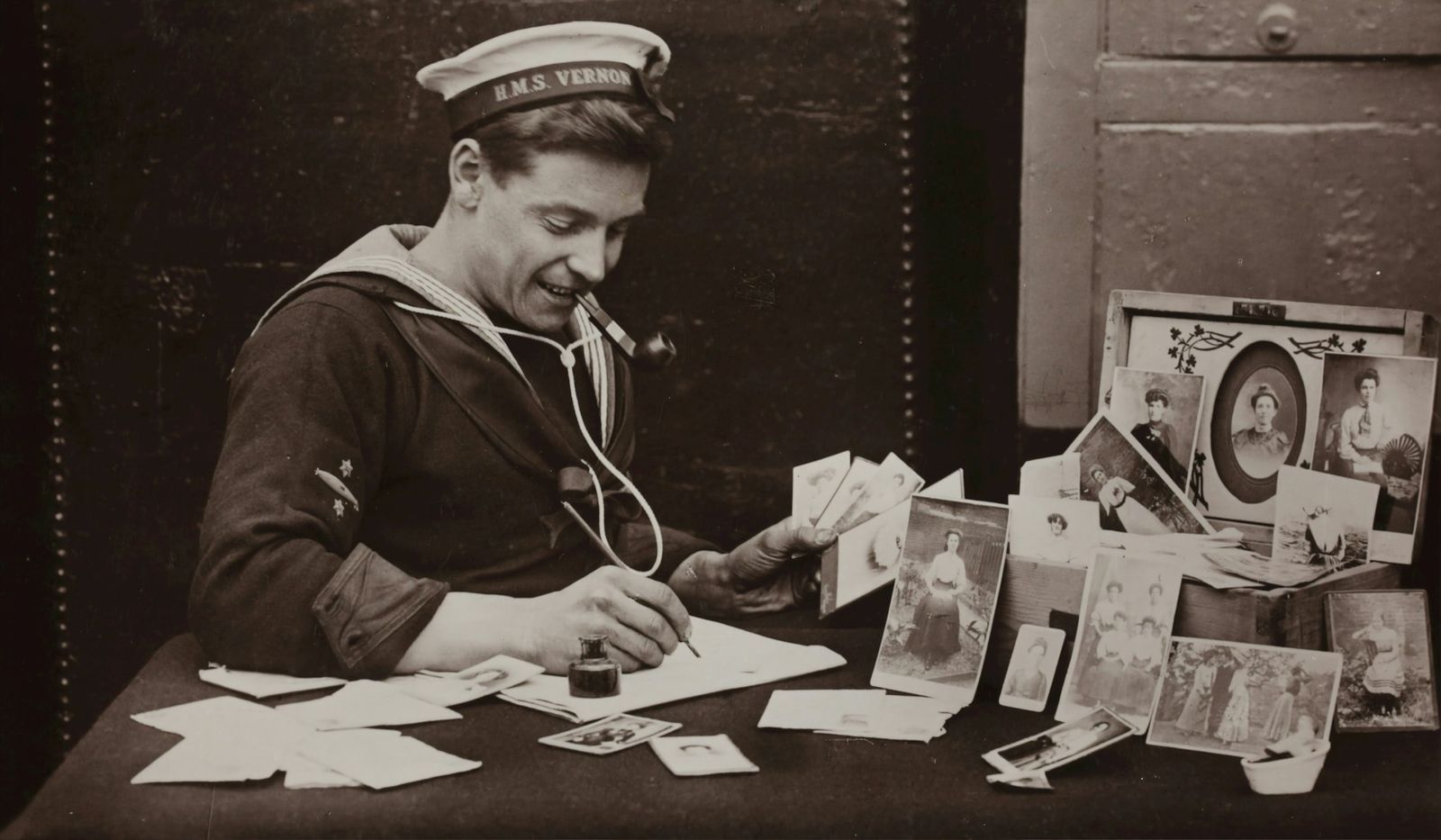
Everybody has to start somewhere, and that includes whaling ships. A green hand was the term used to describe an inexperienced crew member of a 19th-century whaler on his first voyage, who would typically have the smallest "lay", or share, in the profits.

Green hands would usually take care of the simplest chores, like moping the decks, cleaning, and doing the things that the rest of the crew didn’t want to do.

2

Boatswain

Image: Maël BALLAND

A very different ranking position, compared to the green hands, was the boatswain, also known as a deck boss or a qualified member of the deck department. This person was the most senior rate of the deck department and was responsible for the components of a ship's hull.

The boatswain supervised the other ship's deck department members, and typically was not a watchstander, except on vessels with small crews. Additional duties varied depending on the ship, crew, and circumstances.

3

Scrimshaw

Image: Vivek Kumar

"Scrimshaw" is the name given to carvings done in bone or ivory, typically created by whalers, and engraved on the byproducts of whales, such as bones or cartilage. It is most commonly made out of the bones and teeth of sperm whales, because of their size.

This art form recreates elaborate engravings of pictures and lettering on the surface of the bone or tooth, with the engraving highlighted using a pigment. Scrimshaw probably began on whaling ships in the late 18th century and survived until the ban on commercial whaling.

4

Crow’s Nest

Image: Tanner Mardis

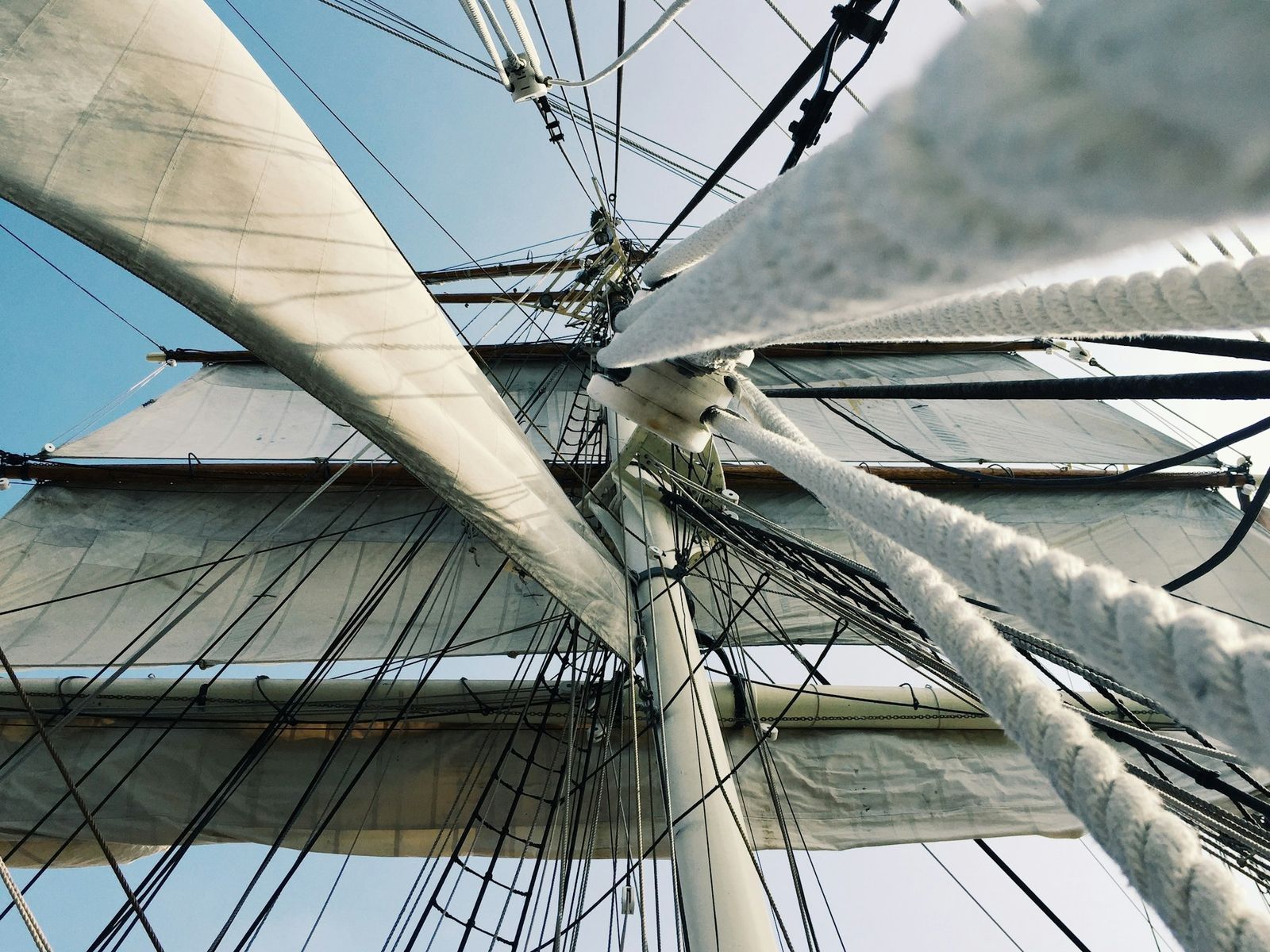
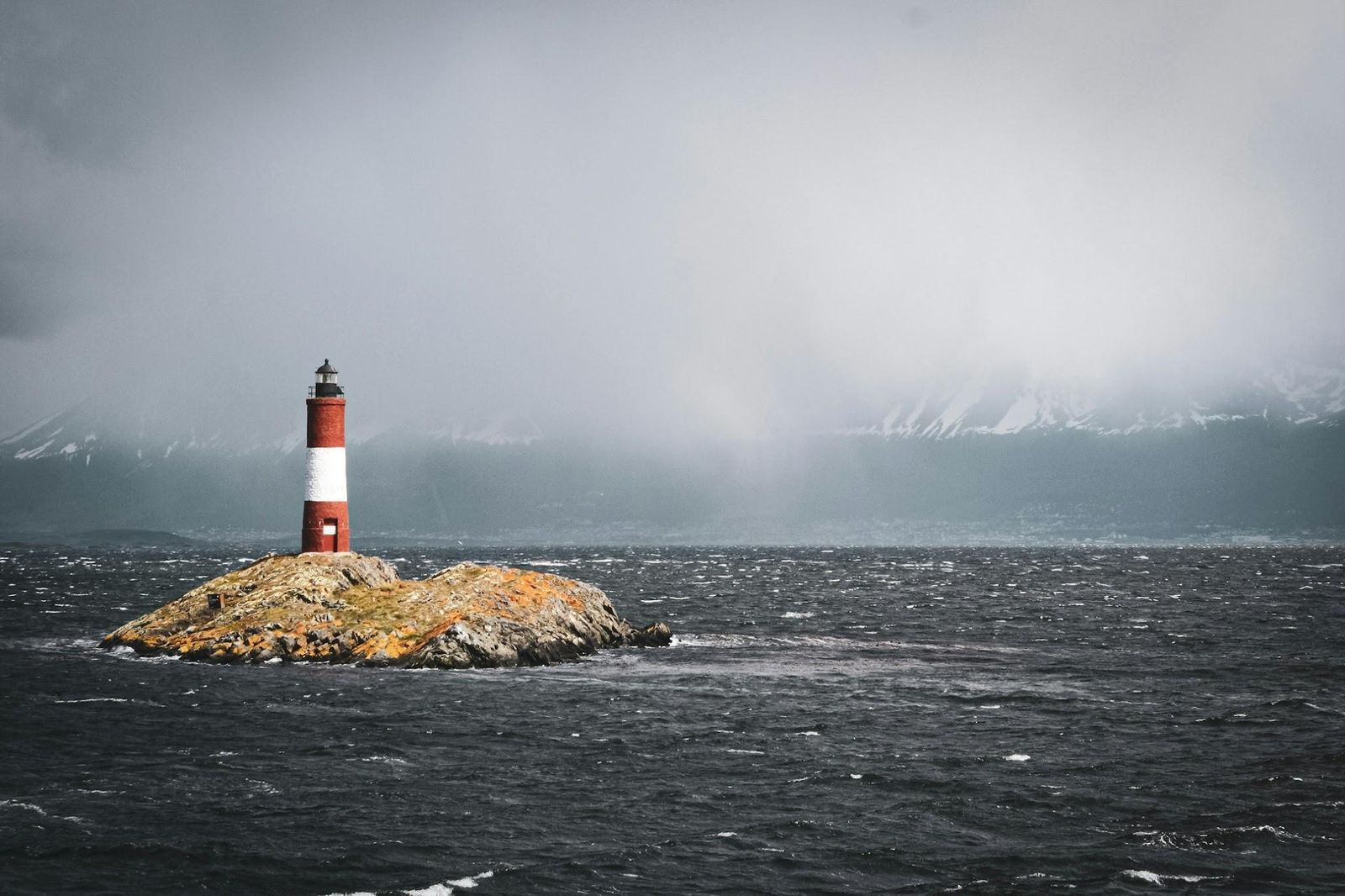
As the name implies, a "Crow’s Nest" is something that is high. Originally, it was a barrel lashed at the highest section of the mainmast where a man was stationed to look for whales or ice.

On ships, this position ensured the widest field of view for lookouts to spot approaching hazards, other ships, or land by using the naked eye or optical devices such as telescopes or binoculars.

5

Gam

Image: The Australian National Maritime Museum

A "gam" was a social visit between whaling vessels, whalers, or the crew. It was coined in the 1840s and generally means pulling alongside another whaling vessel and "hopping" aboard to enjoy a social meeting.

Gamming was a way of taking a break from the monotony of the sea, seeing different faces, enjoying a pint of grog, some music, relaxing for a while, and helping boost the crew’s morale for all the ships involved

6

Hardtack

Image: Muhammed A. Mustapha

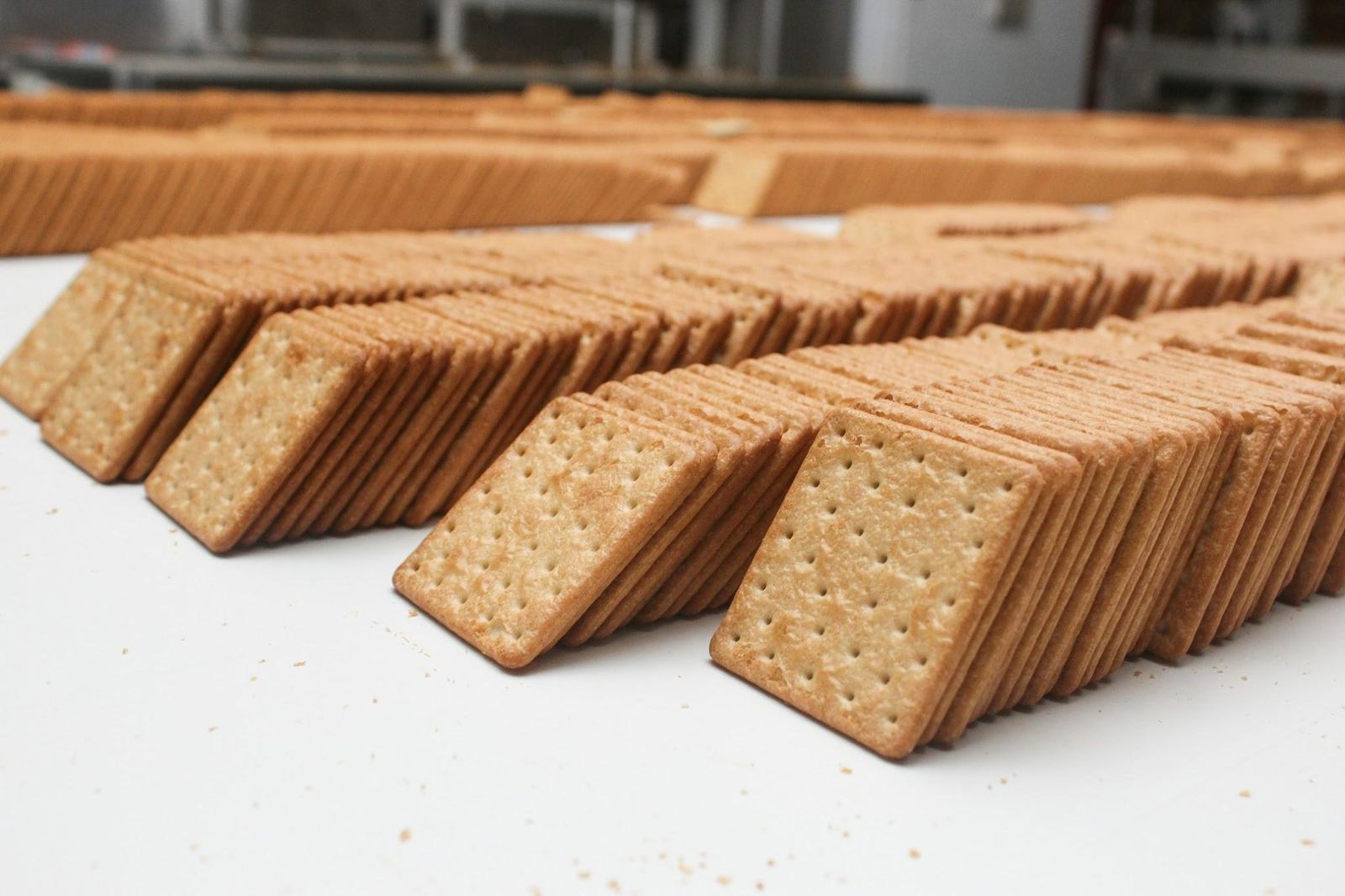
Back in the days when electricity and refrigeration were not around, food conservation was a complex endeavor, especially onboard ships that sailed for years on end. "Hardtack" is a type of dense cracker made from flour, water, and sometimes salt.

Being inexpensive and long-lasting, it was used for sustenance in the absence of perishable foods, commonly during long sea voyages, land migrations, and military campaigns.

7

Hove Down

Image: WEB AGENCY

Whaling vessels were sturdy ships, capable of enduring the hardships of long voyages, and easily fixable, even far away from their home port. The word "hove" is the past tense of "heave", which in a nautical context means to move into a certain direction, position, or situation.

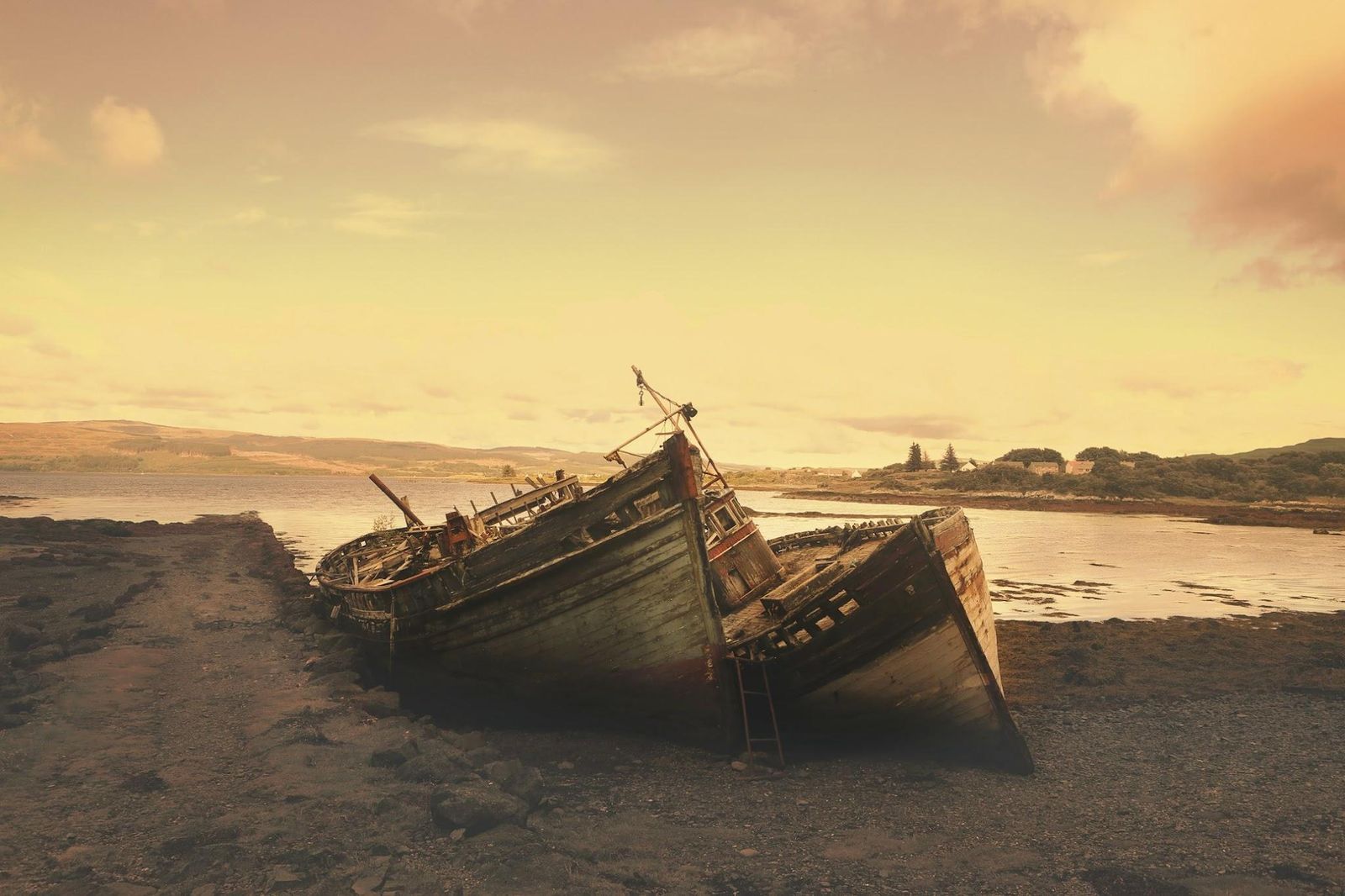
A vessel that is hove down is intentionally laid or tipped onto its side for repair, painting, or cleaning.

8

Cape-Horner

Image: Dimitry B

Even to this day, the Cape Horn is a feared place for sailors due to its terrible weather and conditions that have brought disgrace upon many ships. Back in the whaling days, this route was a common passage required to access the Pacific whaling grounds for whalers coming from Nantucket and New Bedford.

A large, square-rigged ship built to withstand the rigors of a Cape Horn passage was known as a Cape Horner.

9

Schooner

Image: TasfotoNL

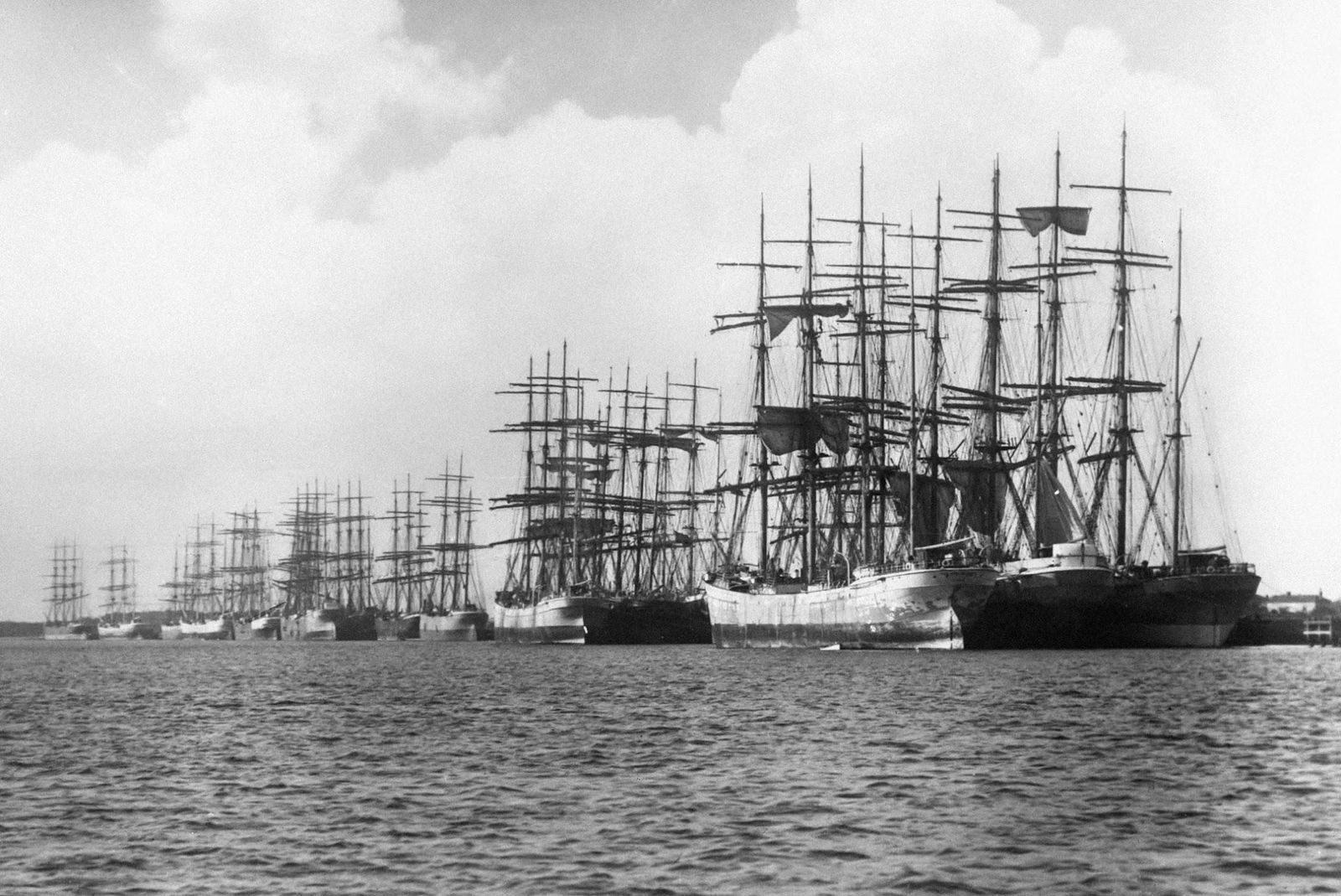
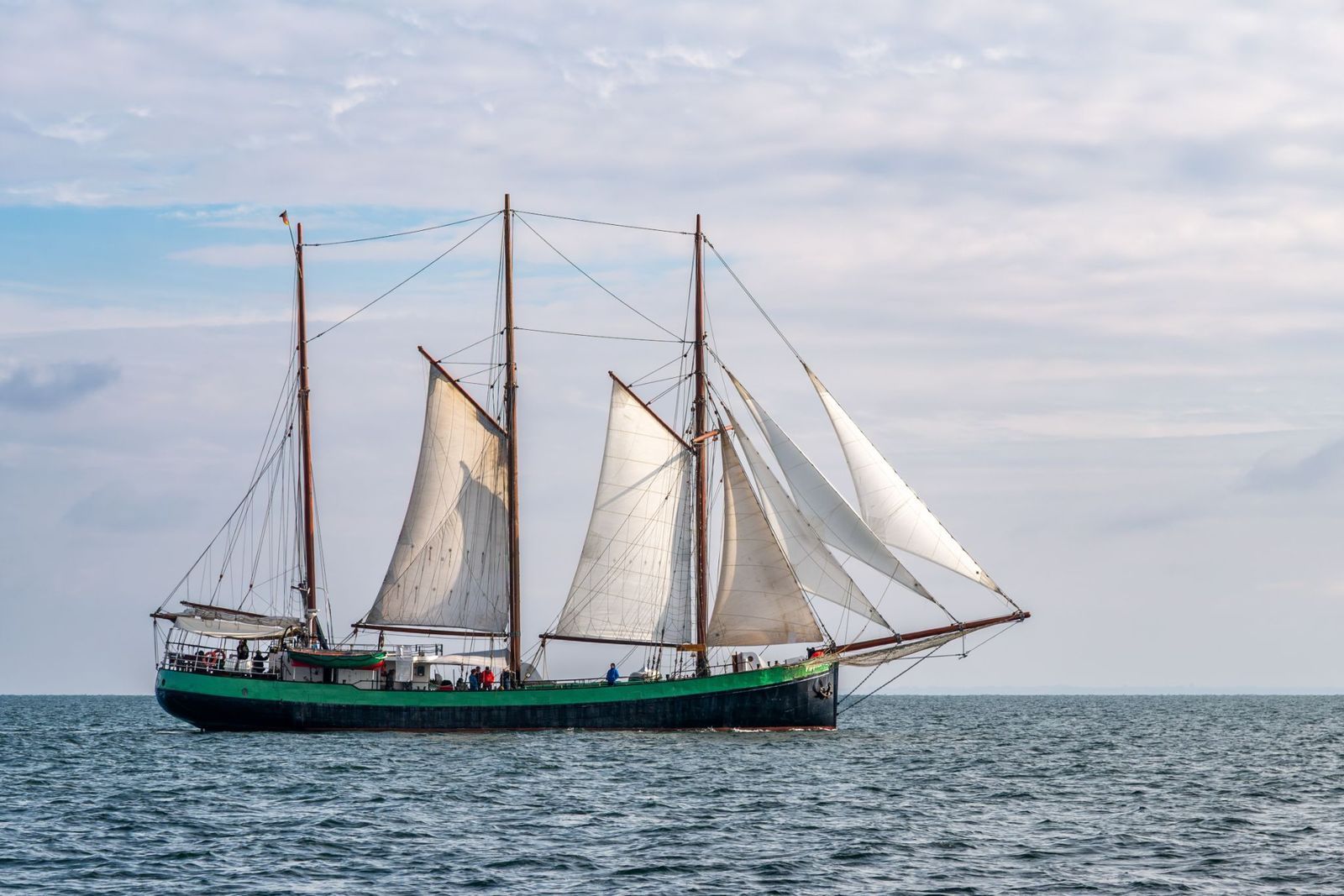
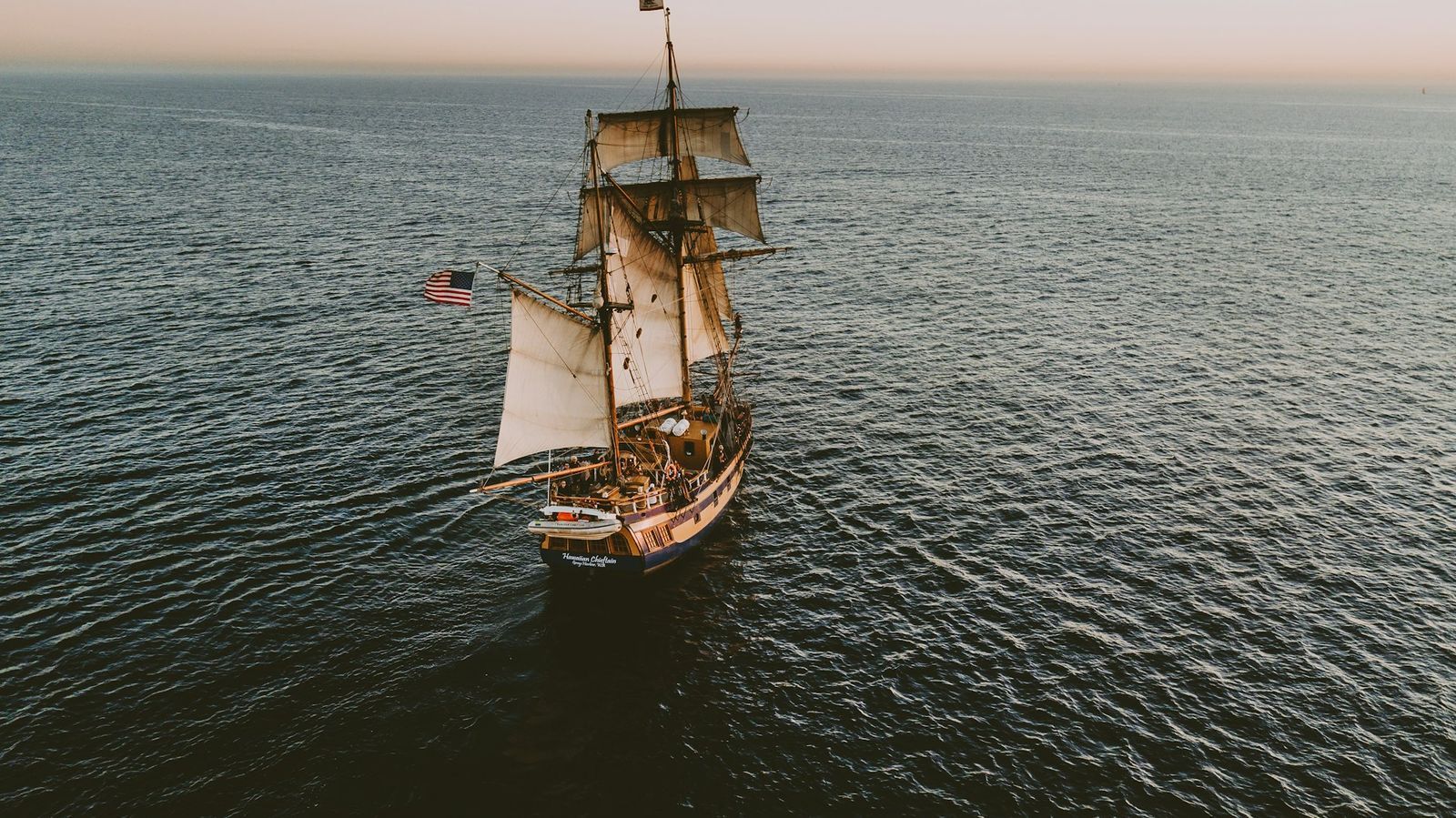
A "schooner" is a type of sailing vessel defined by its rig: fore-and-aft rigged on all of two or more masts and, in the case of a two-masted schooner, the foremast generally being shorter than the mainmast. This type of ship was commonly used as a whaling ship.

A topsail schooner also has a square topsail on the foremast, to which may be added a topgallant.

10

Lookout

Image: Drew Darby

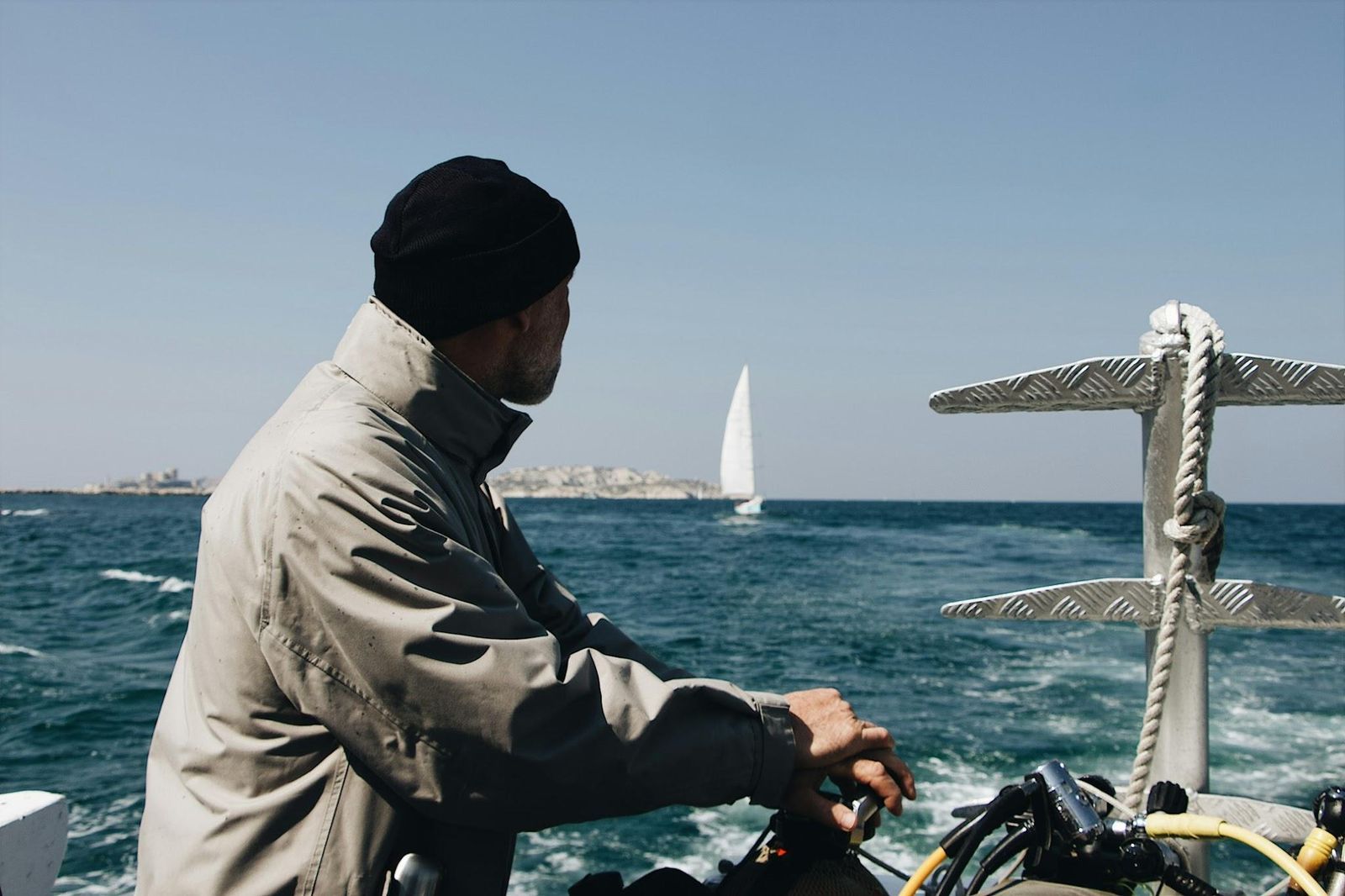
Having mentioned the crow’s nest in a previous entry, we can complete the description and this whole list with the role that is most usually connected to such a high place on the ship. The lookout is the person at the ship’s crow’s nest, or also bridge, who maintains a continuous watch of the sea to report the sighting of whales or any kind of hazard that can be an obstacle in the navigation and cause harm to the ship.

Looking for an extra scoop of literary fun?

Learn more with our Word of the day

nihilism

/ˈnaɪəˌlɪzəm/