Lost in translation
Use these English words abroad, and you are in for a big surprise
Published on June 14, 2026

We Americans like to think that since we speak English, we can get by just fine anywhere from London to Bridgetown. But traveling abroad can quickly turn into a game of linguistic telephone! Imagine the sheer confusion of a tourist asking for a nice, warm biscuit with breakfast, only to be handed a chocolate chip cookie, or trying to pack their luggage into a boot instead of the trunk. It pays to think twice before you open your mouth overseas, or you might find yourself in some hilariously awkward situations. Here are 12 everyday words that mean something completely different once you leave American soil.
Biscuit (U.S. vs. U.K.)
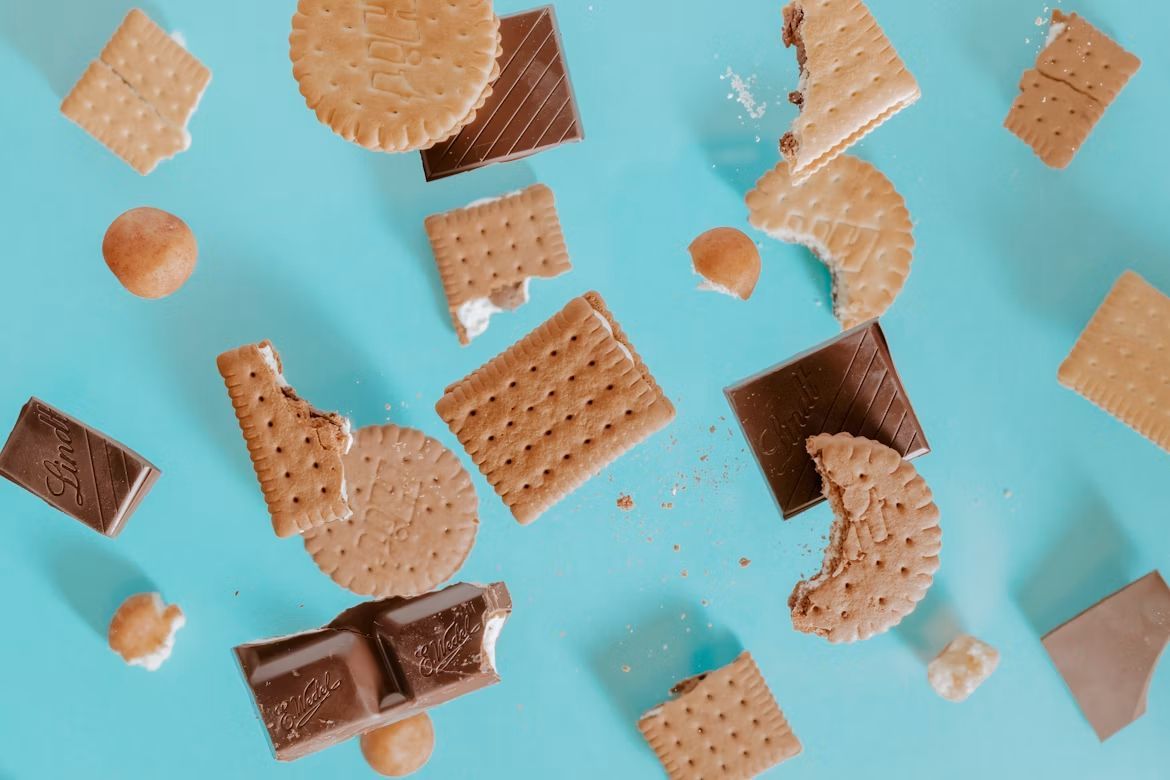
Picture yourself at a quaint London bed-and-breakfast, ordering gravy to go with your morning biscuit. The waiter returns, looking baffled, with a plate of crunchy chocolate chip cookies.
To us, a biscuit is that fluffy, buttery piece of heaven perfect for breakfast. To the British, a biscuit is what we call a cookie. Save the gravy for home, or you'll get some very strange looks!
Boot (U.S. vs. U.K.)
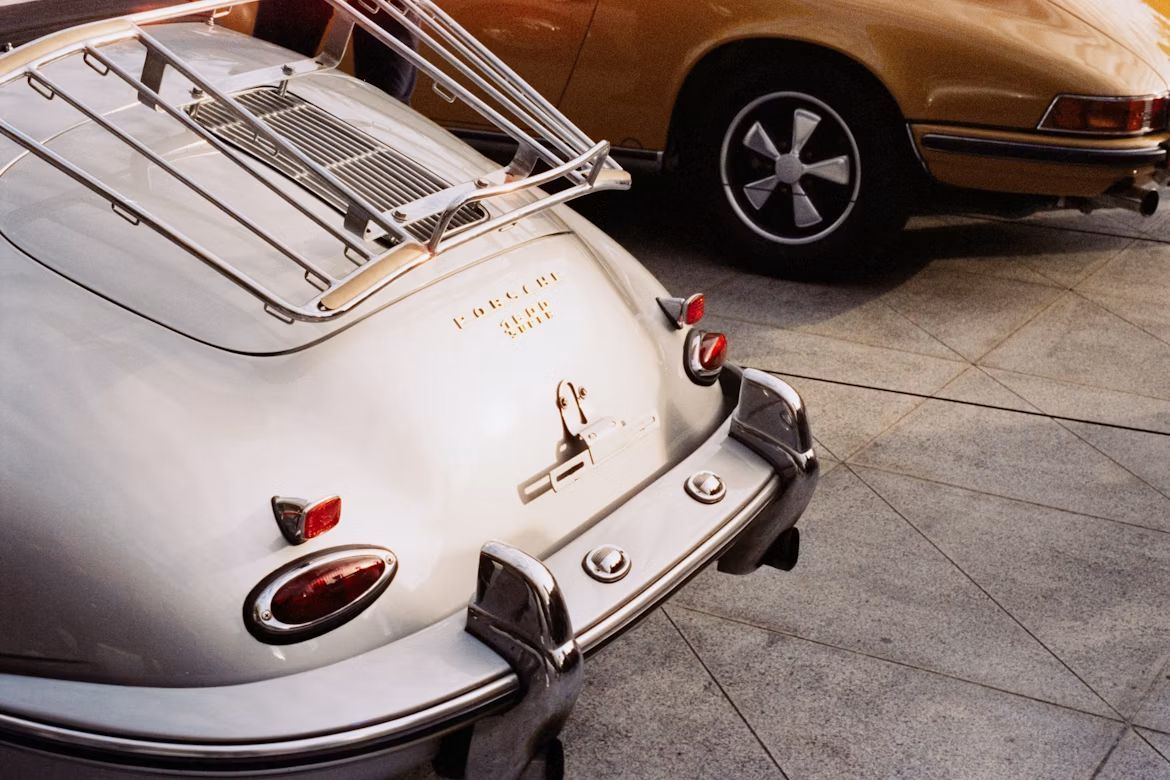
You arrive at a London hotel, and the polite bellhop asks, "Shall I put your bags in the boot, sir?" You might look down at your leather footwear and wonder how on earth your suitcase is going to fit in there.
Don't worry, your shoes are safe. While Americans call the rear storage compartment of a car the trunk, the British call it the boot.
Banger (U.S. vs. Ireland)
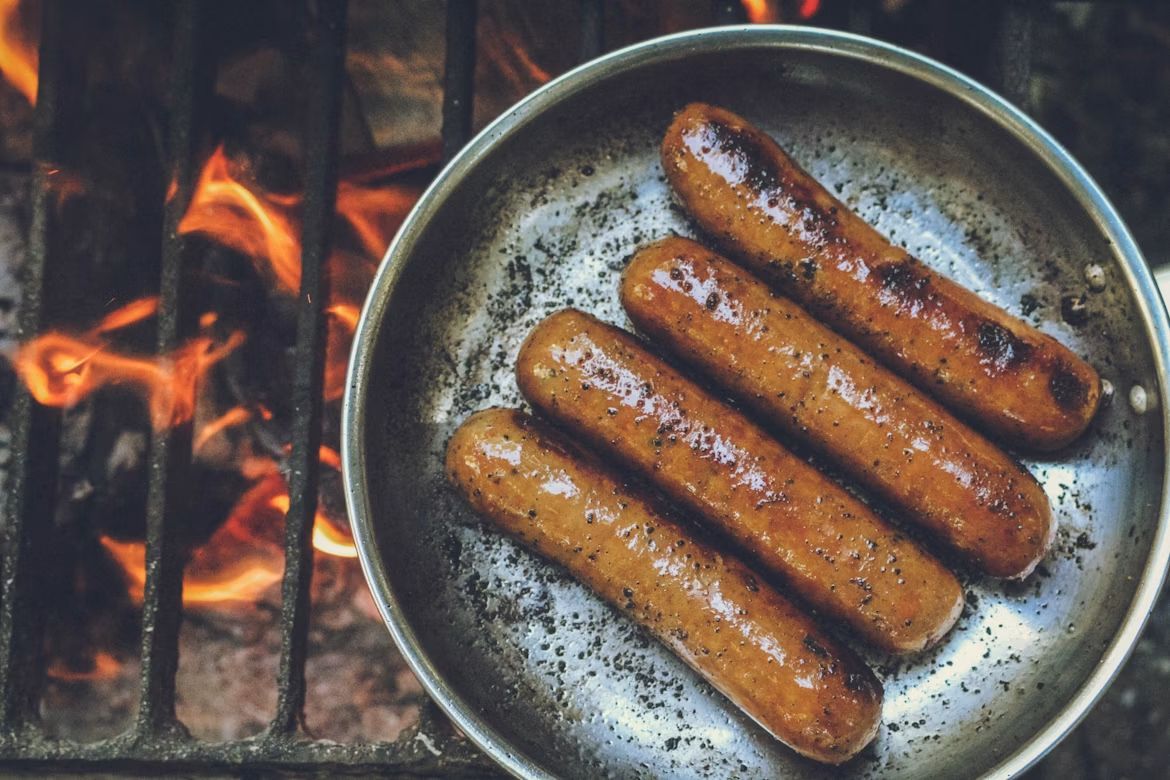
Imagine your Irish tour guide points to a menu and promises you a "classic banger" for lunch. You might expect the pub to start blasting a high-energy, catchy song right there at the table.
Instead, you'll be served a sizzling, savory sausage. In Ireland and the U.K., bangers are just sausages, famously paired with mashed potatoes for a comforting meal. It's a hit for your stomach, not your ears!
Messages (U.S. vs. Scotland)
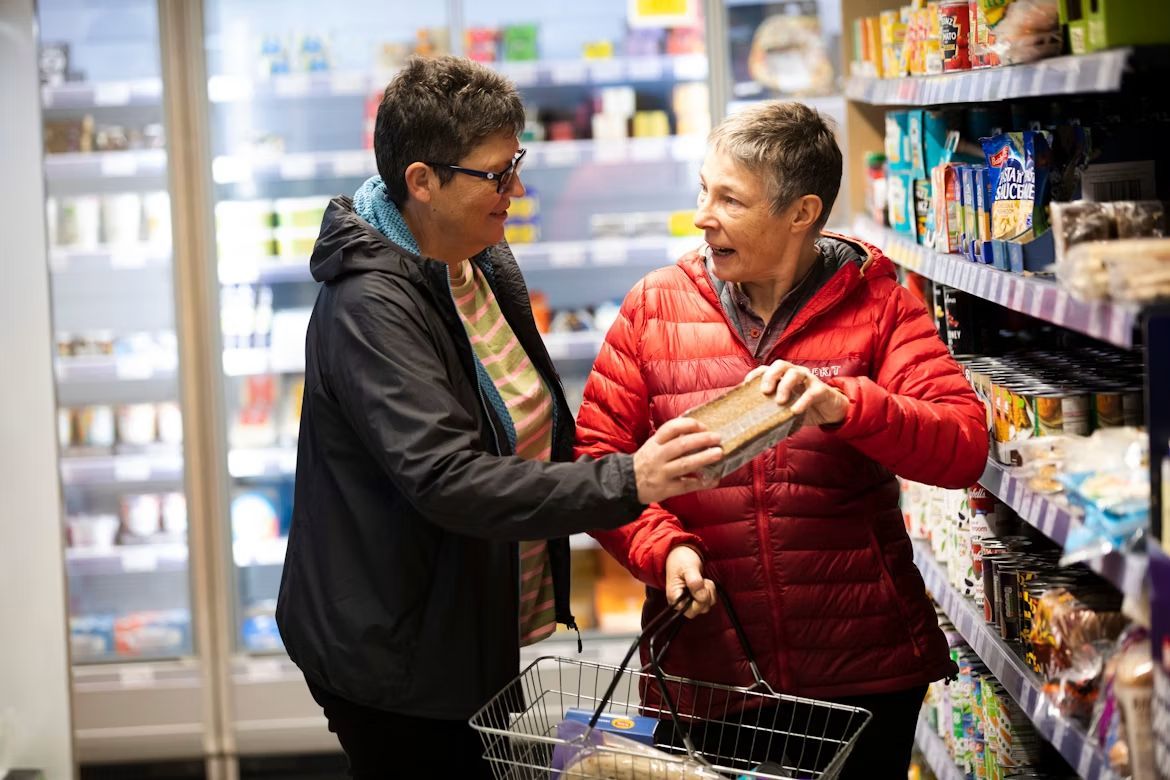
Next time you hear a Scotsman say he is "going for the messages," don't expect him to return with a handful of letters or a phone full of unread texts.
In Scotland, this delightful phrase simply means going grocery shopping. He’s just heading out to grab some milk, bread, and eggs, completely offline.
Fortnight (U.S. vs. Australia/U.K.)
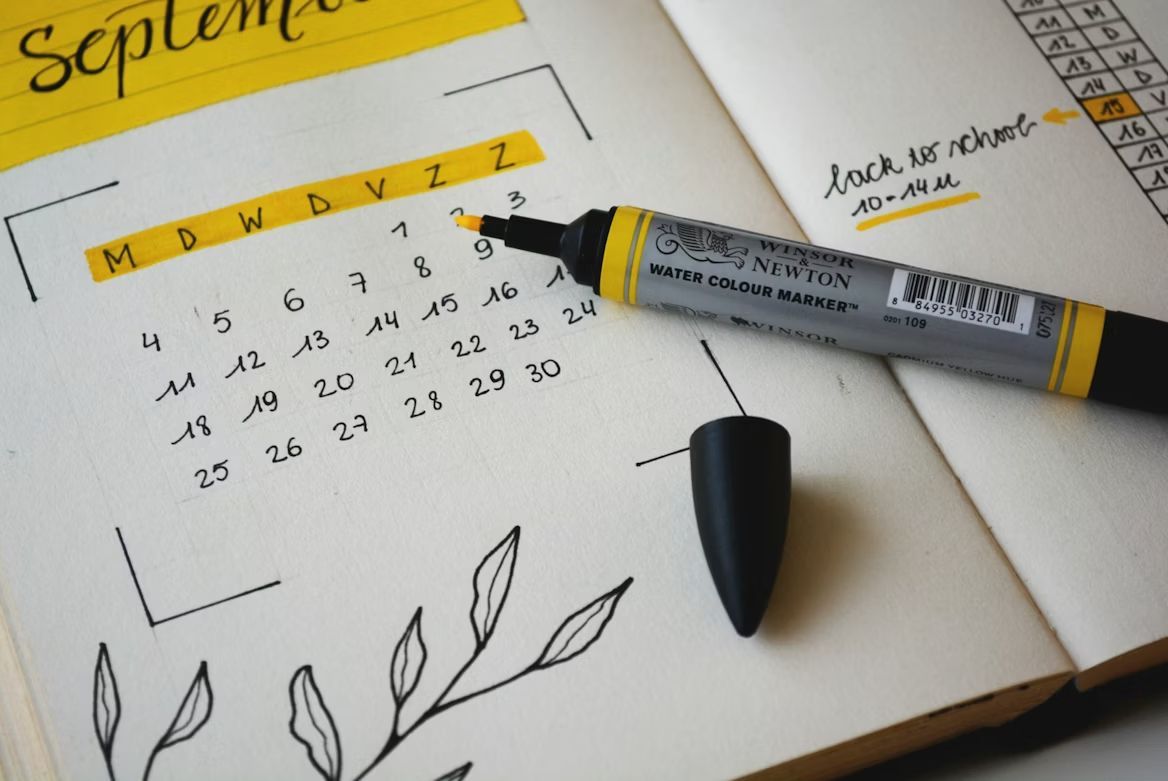
If an Aussie hotel clerk tells you your reservation is locked in for a fortnight, you might be taken aback. While we rarely use this old-fashioned word in the States, it is completely standard down under and in the U.K. It simply means a period of two weeks. Enjoy your long vacation!
Jelly (U.S. vs. U.K./New Zealand)
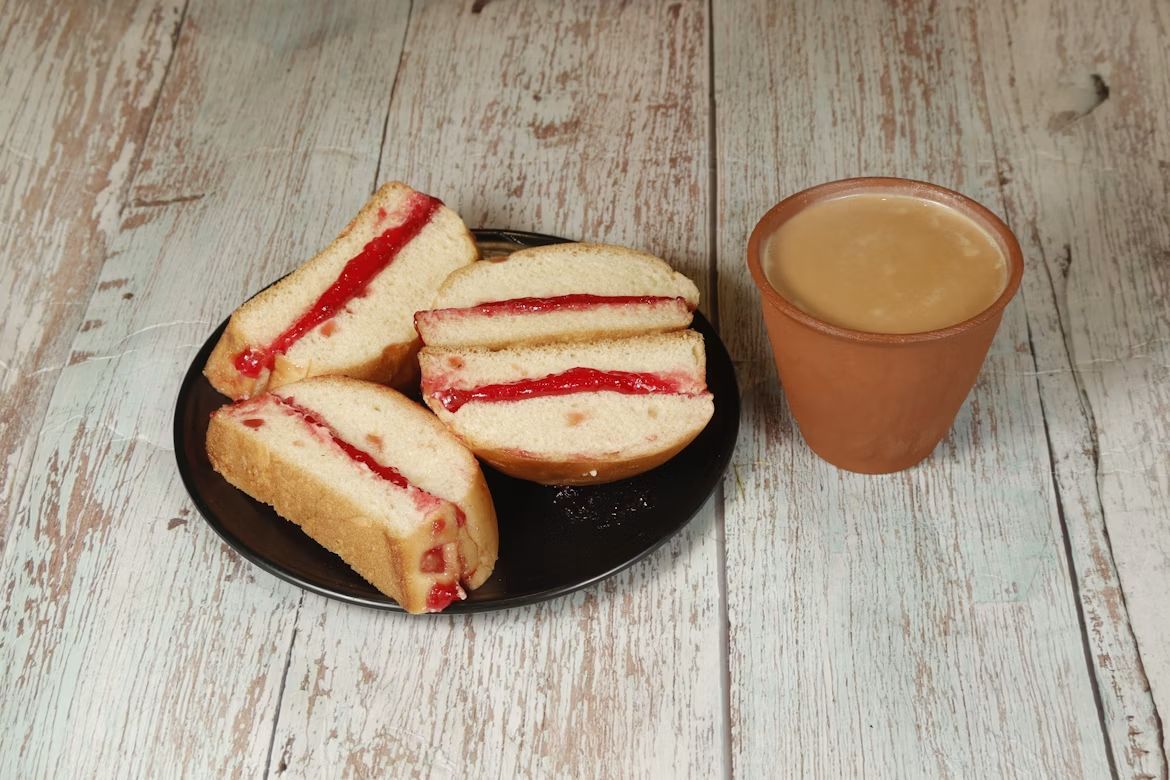
Imagine ordering a classic peanut butter and jelly sandwich in Auckland, only to watch the café worker stare at you in absolute horror.
In New Zealand and the U.K., jelly isn't a smooth fruit spread; it’s what we call Jell-O. Putting a wobbly, strawberry gelatin dessert between two slices of bread is definitely an acquired taste you might want to skip.
Entrée (U.S. vs. Canada/France)
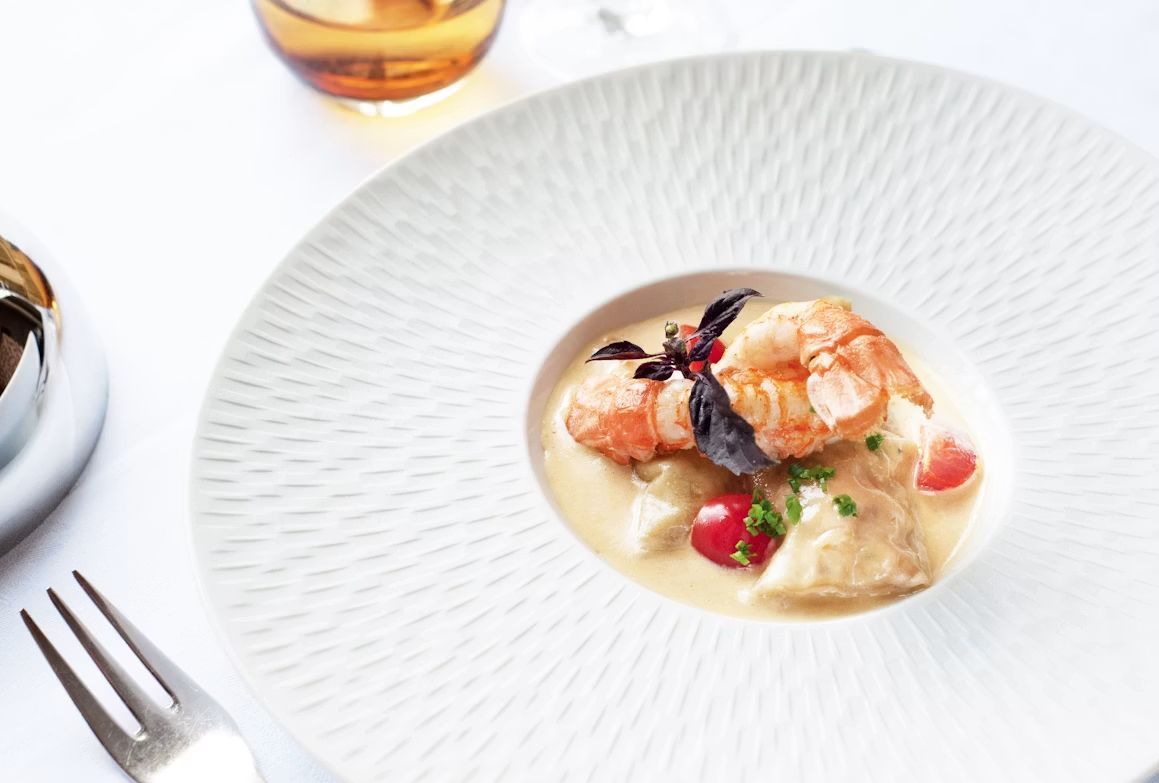
You’re celebrating a beautiful anniversary at a lovely restaurant in Montreal. Eager for the main event, you order a delicious-sounding steak from the entrée section of the menu, expecting a giant plate.
Unfortunately, you’ll be left scratching your head when a tiny appetizer arrives. In Canada and Europe, the entrée is the starter. The actual main course comes later, so pace yourself!
Suspenders (U.S. vs. U.K.)
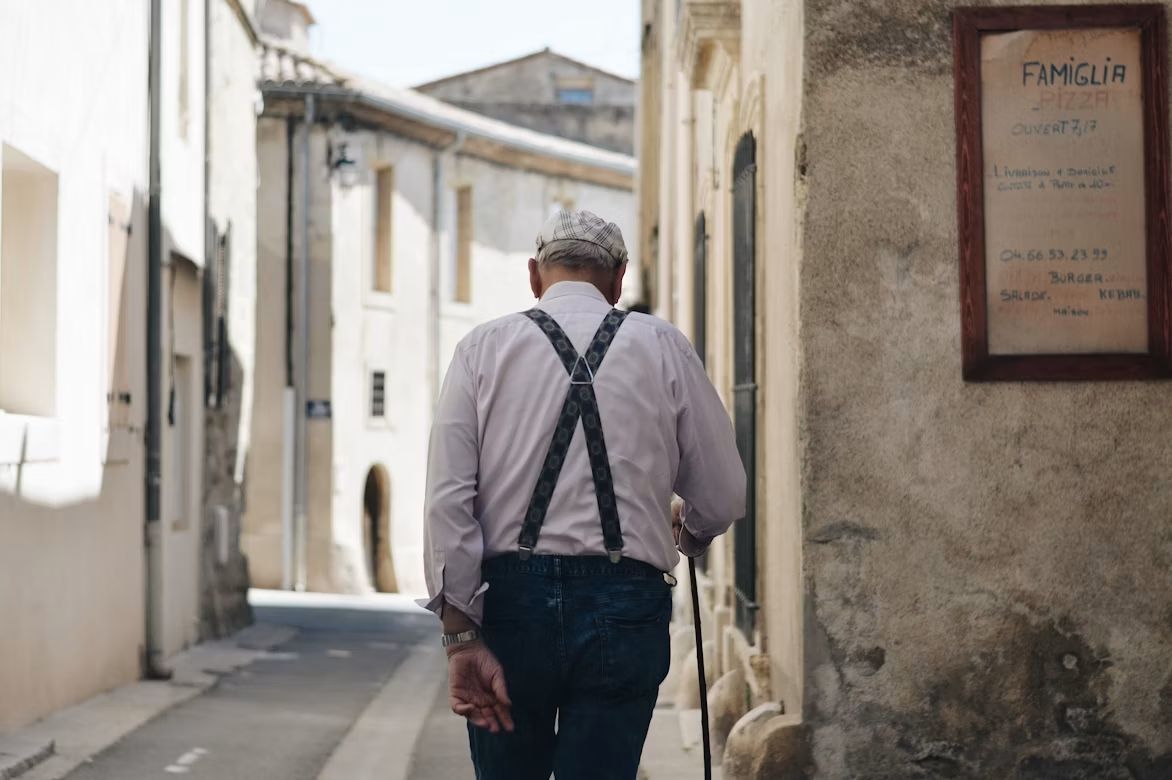
Imagine a stylish American gentleman telling his British colleagues that he bought a bright red pair of suspenders to wear to the office. The room will likely go dead silent with embarrassment.
To Americans, suspenders are just classy elastic shoulder straps that hold up trousers. In the U.K., however, suspenders are garter belts used to hold up women's stockings. That's one major office mix-up!
Lick (Barbados vs. U.S.)
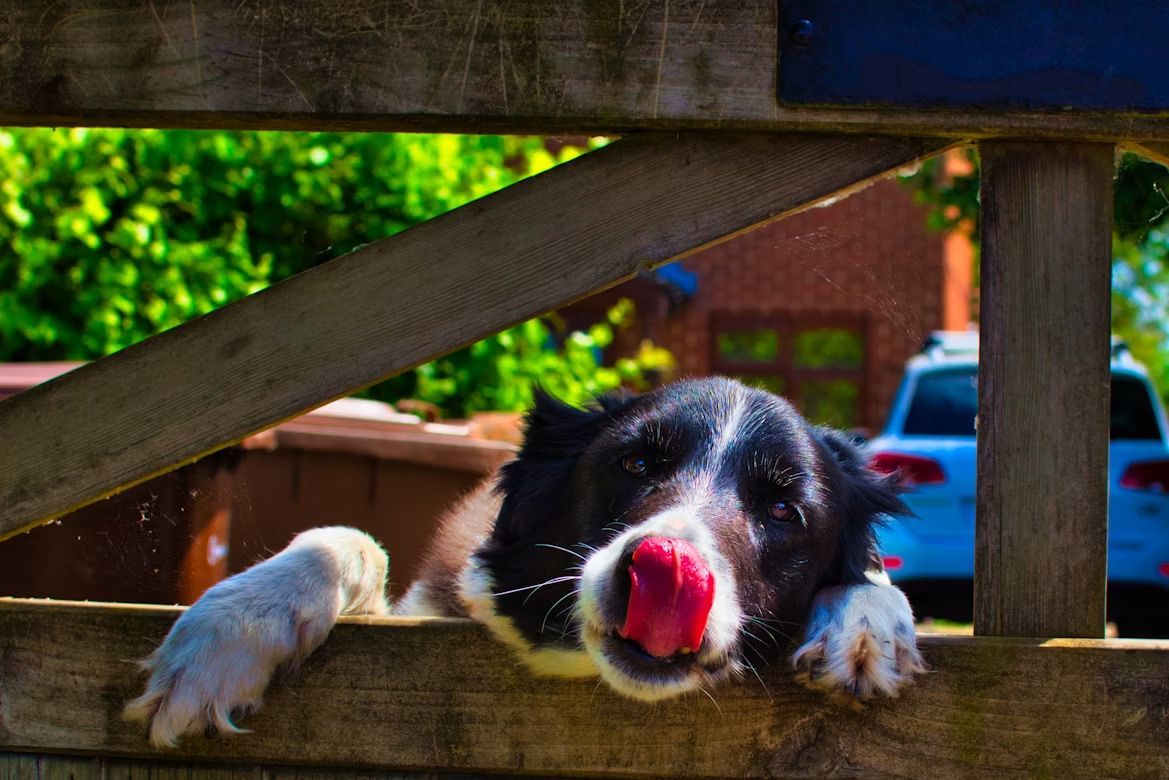
If you are relaxing on a beautiful beach in Barbados and a friendly local warns that someone might "give you a lick," please don't expect anyone to come over and run their tongue across your arm!
In the Caribbean, giving someone a lick means to hit or strike them. It’s an aggressive warning, a far cry from the completely innocent, sugary action we think of back home.
Pavement (U.S. vs. U.K.)
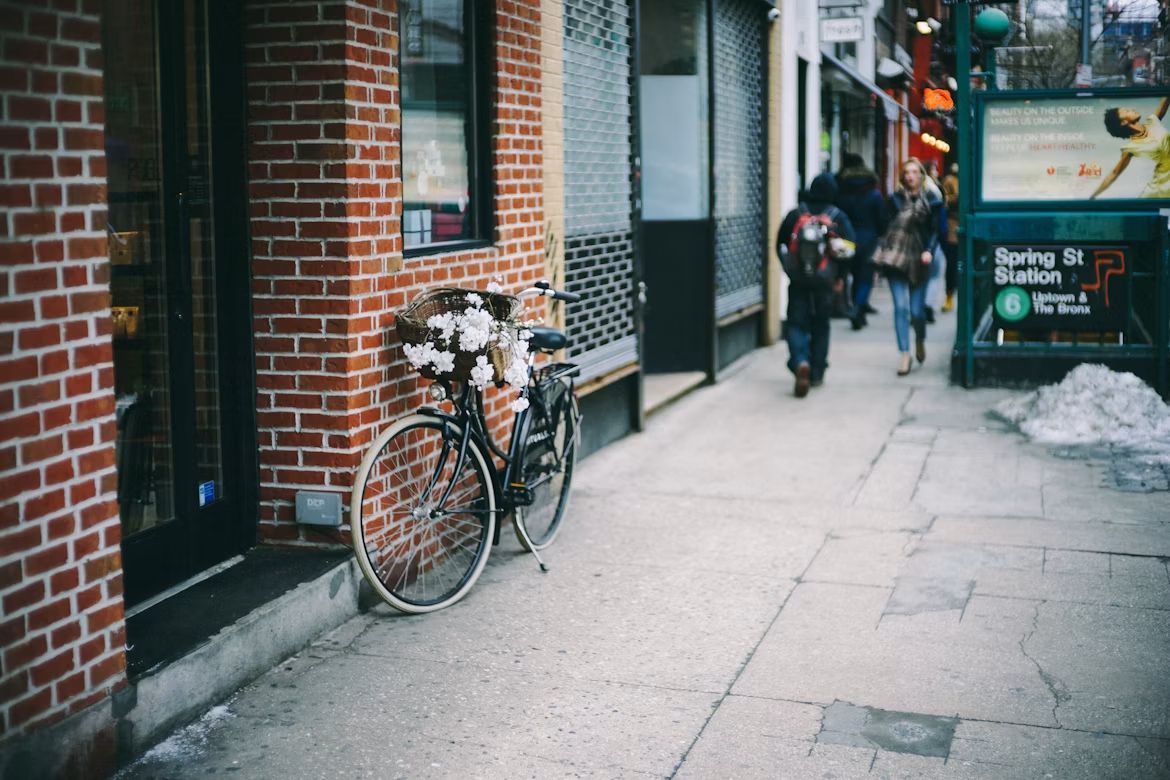
Imagine walking through London when an angry cyclist yells, "Get off the pavement!" You might look down, confused, thinking, "But I’m not standing in the middle of the street!"
In the U.S., pavement refers to the asphalt road where cars drive. In the U.K., the pavement is actually the sidewalk. He’s just asking you to clear the pedestrian path, so no need to dodge traffic!
Pants (U.S. vs. U.K.)
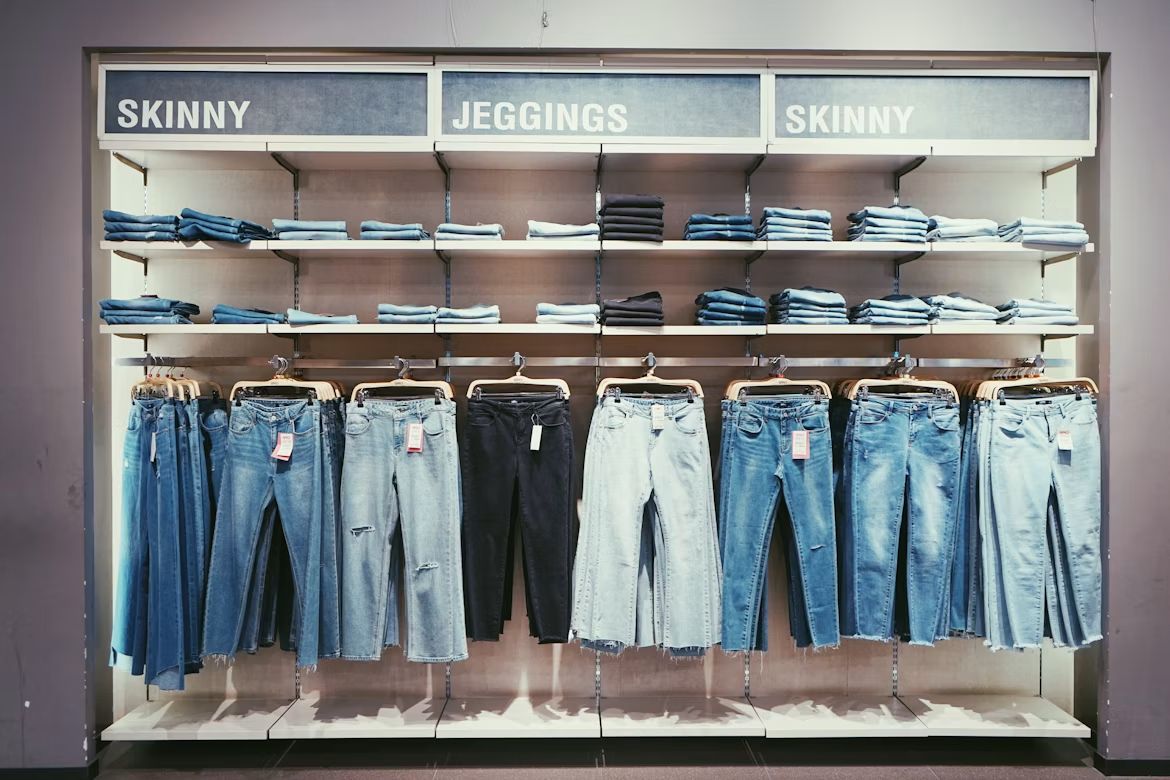
Imagine complimenting a British gentleman at a formal dinner by telling him, "I love your pants!" Instead of a thank you, you'll likely receive a look of absolute horror.
To Americans, pants are simply trousers. But to the British, pants refer strictly to underwear. Telling someone you like their pants means you’re complimenting their briefs, which is a bit too much information for polite conversation!
Chips (U.S. vs. U.K./Ireland)
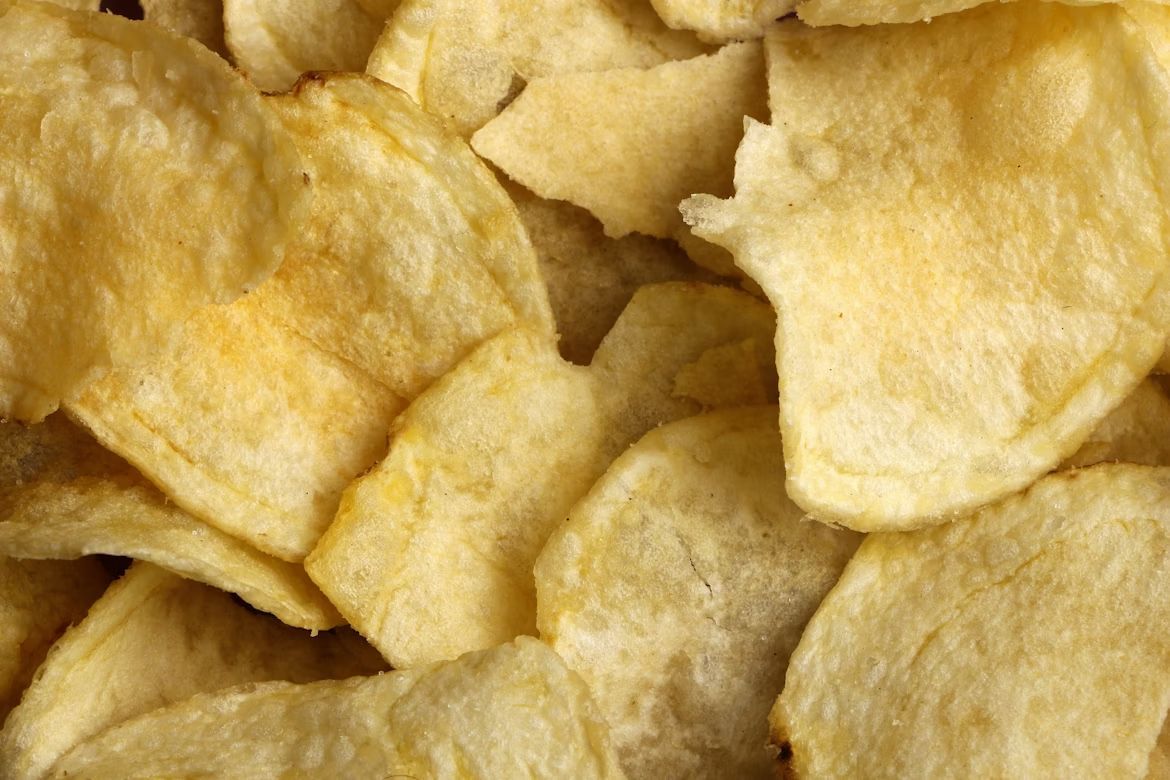
Picture yourself walking into a London pub and ordering a burger with a side of potato chips. You might be disappointed when the waiter brings out a basket of steaming, thick-cut French fries instead of a crispy bag of Lay's.
In the U.K. and Ireland, chips are fries. If you actually want those thin, crunchy snacks from a bag, you have to ask for "crisps."