NAME ANCESTRY

What does "Alaska" mean? Discover the origins of 14 state names!


Published on November 19, 2023


Image: Pin Adventure Map

Ever wondered where most US states’ names come from? From Native American roots to foreign or made-up words, the stories behind many of them are riddled with surprising historical references. Although the origin of some US states’ names is fairly obvious, many derive from unexpected people or places. The origin of names like Colorado, Montana, or Nevada are easy to infer —especially if you know a bit of Spanish— but many others have Native American origins with intriguing meanings. Some are even derived from fiction. If you ever wanted to know where names like Oregon, Connecticut, or Wisconsin come from, you are in the right place. Enjoy the surprising etymologies behind some of the names that make our country.

1

Alabama

Image: Joshua Woroniecki

Interestingly, for a state whose main economic activity is agriculture, the word Alabama comes from the Choctaw language and can be translated as "plant-cutters" or "vegetation pickers", recalling the farming practices of the Native Americans that lived in this area.

2

Alaska

Image: olio creative

Alaska is a corruption of an Aleut word that means "mainland", but can be translated literally as "the object towards which the action of the sea is directed". This is one of those names that manage to bring poetry into a word as simple and down-to-earth as land.

3

California

Image: Vital Sinkevich

This one comes from… a Spanish adventure novel! Bet you didn’t expect that. In Las Sergas de Esplandin by Garcia Ordez de Montalvo, a book from the 1500s, there is a fictional place called the "Island of California". Even when the modern state of California is clearly not an island, some die-hard fanatic of the novel decided to bring the name to life here in the U.S.

4

Connecticut

Image: Juliette Dickens

Derived from the Algonquian word quinnehtukqut, which can be translated as "besides the long tidal river", in reference to the river Connecticut. If you are wondering what the "tidal" part means exactly, this is because the Connecticut River's flow and level are effectively influenced by tides along much of its course. Certainly some amazing insight into the rigorous knowledge of local hydrology that Native Americans managed to accrue over the centuries.

5

Hawaii

Image: Luke McKeown

Although the origin of this name is disputed, there are two main theories. One suggests that the islands may have been named after Hawaii Loa, their traditional discoverer. However, others have speculated that it is actually derived from the ancient Polynesian word hawaiki, meaning "place of the gods".

6

Idaho

Image: NEOM

Another crazy one. Although the name was first claimed to be derived from a Shoshone word that meant "Gem of the Mountains", it is highly likely that the word was fabricated by George M. Willing, and meant as a practical joke.

7

Indiana

Image: Stéfano Girardelli

Quite literally, "land of Indians", using a Latin suffix. The word Indians originally referred to the ancient dwellers of the shores of the Indus River, in South and Central Asia.

8

Kansas

Image: NOAA

"Toto, I've a feeling we're not in Kansas anymore!" said Dorothy, from The Wizard of Oz, right after a rampant tornado literally lifted her house in the air and took it to God knows where. Well, this US state’s fame for violent winds predates even the first settlers, since Kansas is a Native American word used by the Dakota, strongly related to the idea of "wind".

9

Kentucky

Image: Drew Beamer

This state owes its name to an Iroquoian word that means "land of tomorrow". Quite a blockbuster-worthy movie title, if you ask me.

10

Maine

Image: Mercedes Mehling

The origin story behind the name of "The Pine Tree State" is still disputed. However, there are some interesting theories. One states that it derives from "mainland", as a form of distinction from the many coastal islands in the vicinity. Other theories propose that it was named in honor of Henrietta Maria, queen of England, or after the province of Mayne in France.

11

Missouri

Image: Anthony Cantin

To the Native Americans that lived in this region, Missouri meant "town of the large canoes", as the Missouri tribes were renowned for their skill in making dugout canoes.

12

Oregon

Image: Ashley Levinson

A largely disputed one. Many suggest that the name has Spanish origins, being similar to other words like orejón (meaning "big ear") or orégano, in reference to a type of plant (similar to the Mediterranean oregano) that grows in the southern part of the state.

13

Pennsylvania

Image: Donnie Rosie

This is the only state that has a part of its founder’s name in it. It is widely believed that Pennsylvania means "Penn’s Woodland", and was named as such in honor of Sir William Penn, father of its founder William Penn.

14

Wisconsin

Image: Brydon McCluskey

This is probably a French corruption of a native Miami word that meant "it lies red" or "river running through a red place", in reference to the bed of the river Wisconsin.

If our quick dive into the peculiar world of US state names wasn’t enough to quench your curiosity, stay around! We will keep uploading more content related to language and the weird stories and etymologies behind many English and foreign words.
Space fauna

Astronaut animals: The exciting adventures of 10 creatures sent to space


Published on November 19, 2023


Image: Hester Qiang

Long before Neil Armstrong took his giant leap for mankind, Earth had already launched a small army of unexpected explorers into the great unknown. Tiny insects, brave dogs, and even a cat with a heart of steel all played their part in humanity’s quest to reach the stars. They weren’t astronauts in shiny suits, but living test pilots whose journeys helped scientists learn how breathing, eating, and simply existing might change without gravity. Join us to discover the stories of 10 extraordinary creatures that helped pave the road to space.

1

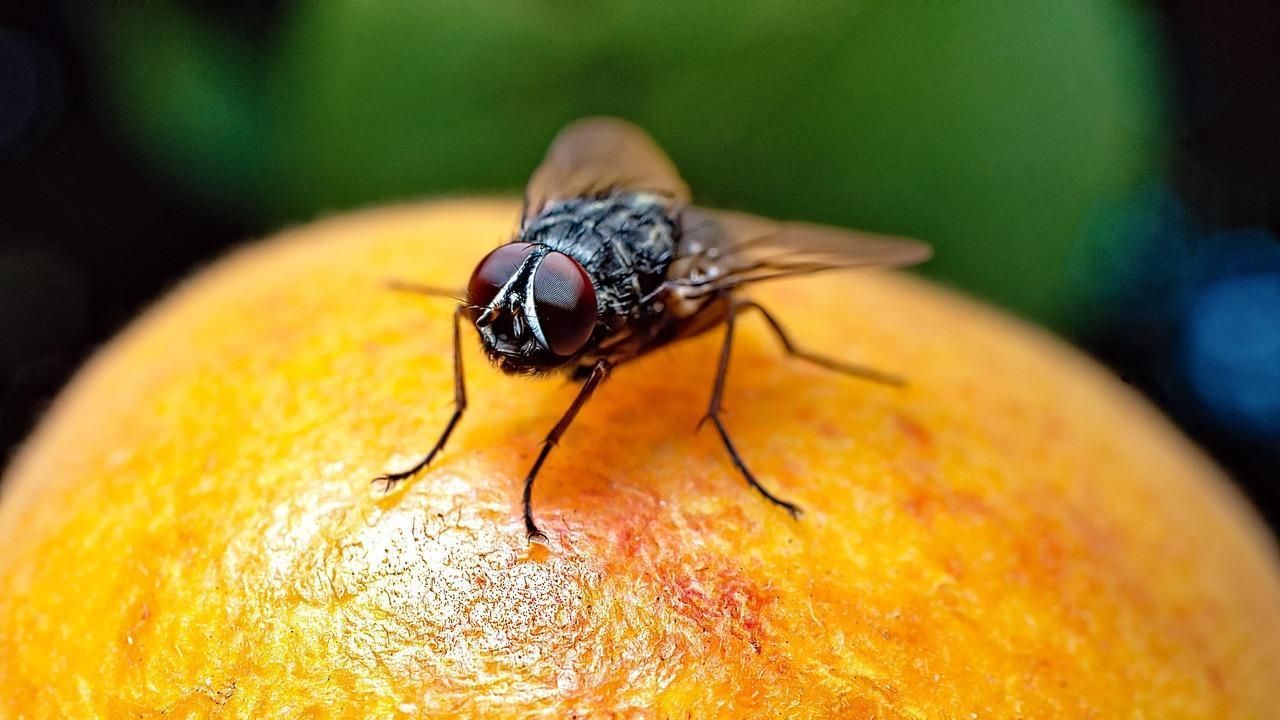
Fruit flies

Image: JerzyGórecki

The very first travelers to leave our planet weren’t humans or even mammals, but fruit flies. In 1947, aboard a U.S. V-2 rocket, these tiny pioneers soared about 68 miles above Earth, crossing the invisible boundary between us and space. Scientists wanted to know how cosmic radiation might affect living beings, and to everyone’s surprise, the flies came back safe and sound. Their mission was short, but it marked the very first proof that life could survive a trip beyond our atmosphere. Not too shabby for creatures better known for buzzing around the kitchen fruit bowl!

2

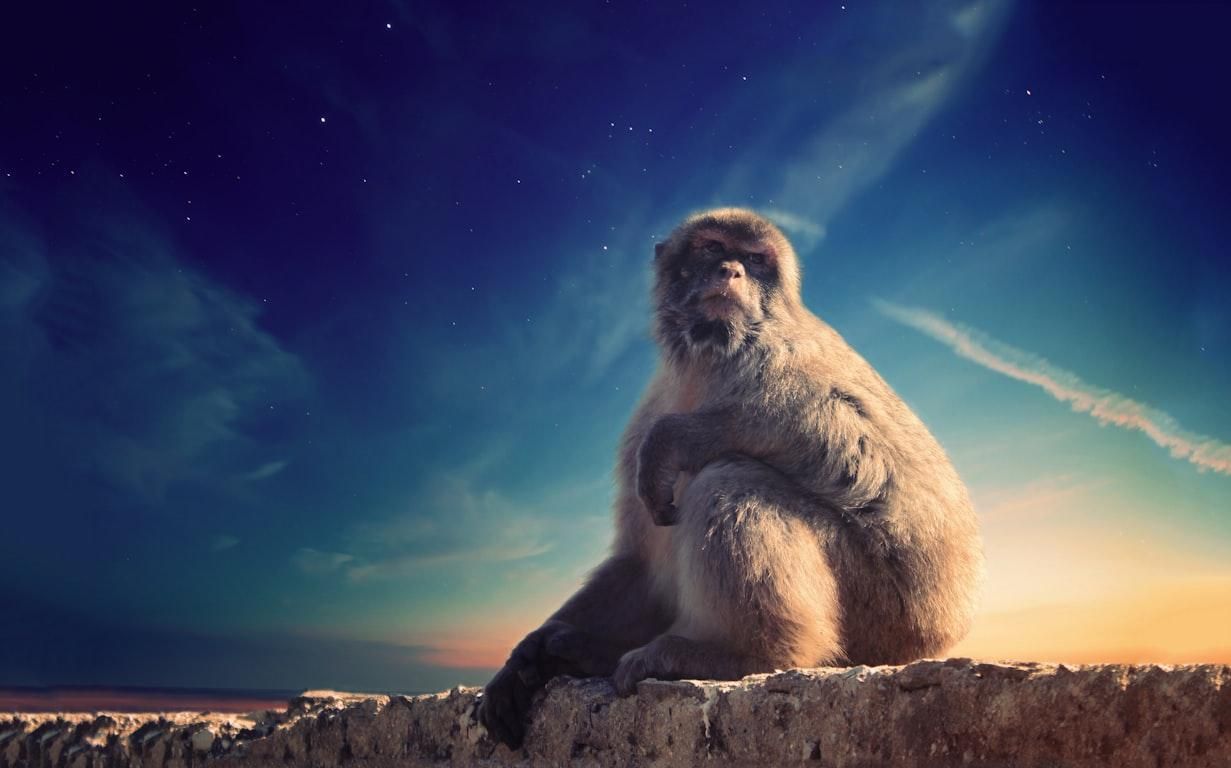
Albert II, the rhesus monkey

Image: Aaron Baw

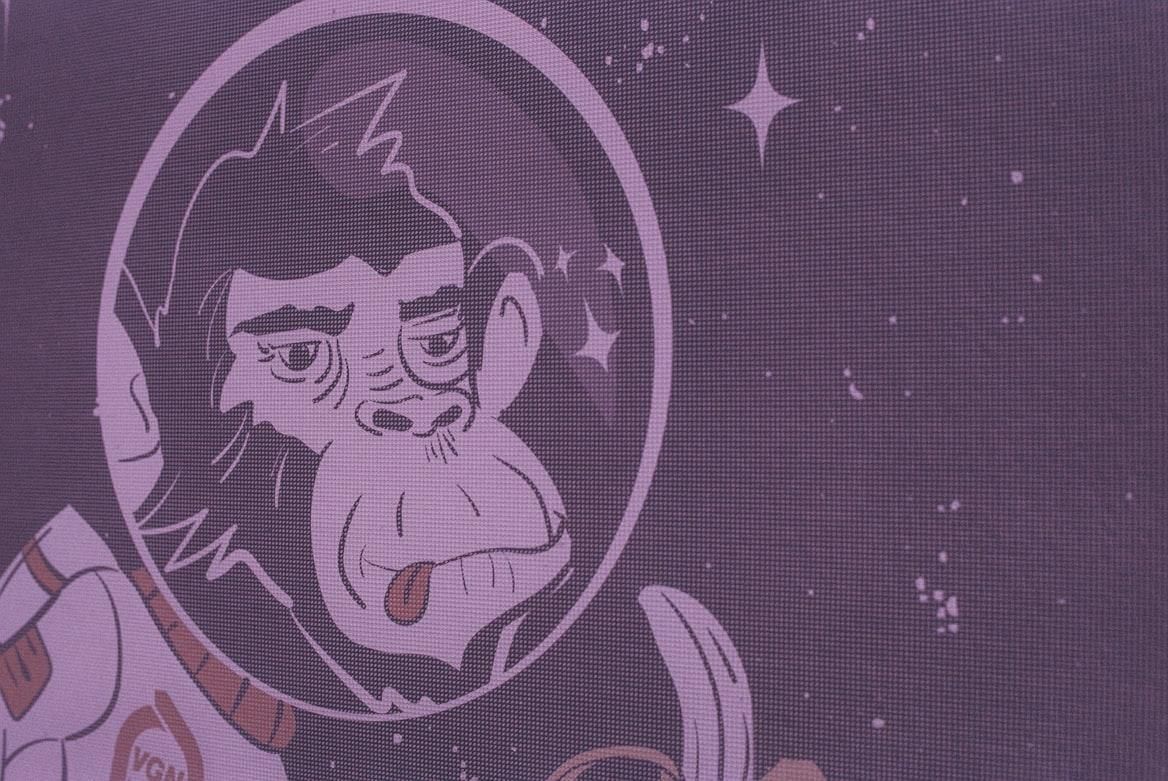
Meet Albert II, the pioneer who proved that even a small monkey could make history. In 1949, this brave male rhesus macaque rode a U.S. rocket 83 miles above Earth, becoming the very first primate—and first mammal—to cross into space. His mission lasted only minutes, but it offered priceless information about how living bodies respond to extreme altitude and near-weightlessness. Although scientists carefully tracked his pulse, breathing, and movements, Albert died upon landing. His courage, nevertheless, didn’t go unnoticed.

3

Laika, the space dog

Image: Max Kleinen

Years before humans ever circled the globe, the Soviet Union roamed the streets of Moscow looking for its first space traveler. They finally found Laika, a gentle, stray dog with big eyes and a calm spirit. In 1957, she boarded Sputnik 2 and became the first living being to orbit Earth, gazing down on the planet from hundreds of miles above. Though her journey was brief, her bravery left a lasting mark. Laika went on to become a symbol of courage and curiosity, inspiring dreamers, scientists, and explorers of every kind, both on two legs and four.

4

Ham, the space chimp

Image: Markus Spiske

Imagine a space capsule gliding above Earth with a chimpanzee wearing a miniature spacesuit inside, calmly flipping switches like a pro. That was Ham, NASA’s first chimp to truly pilot a spacecraft. In 1961, his flight aboard Mercury-Redstone 2 sought to prove that a living being could stay focused and respond to instructions even while floating weightless. Ham’s quick thinking and steady nerves impressed scientists everywhere and made him a celebrity overnight. For a minute, he was America’s coolest astronaut!

5

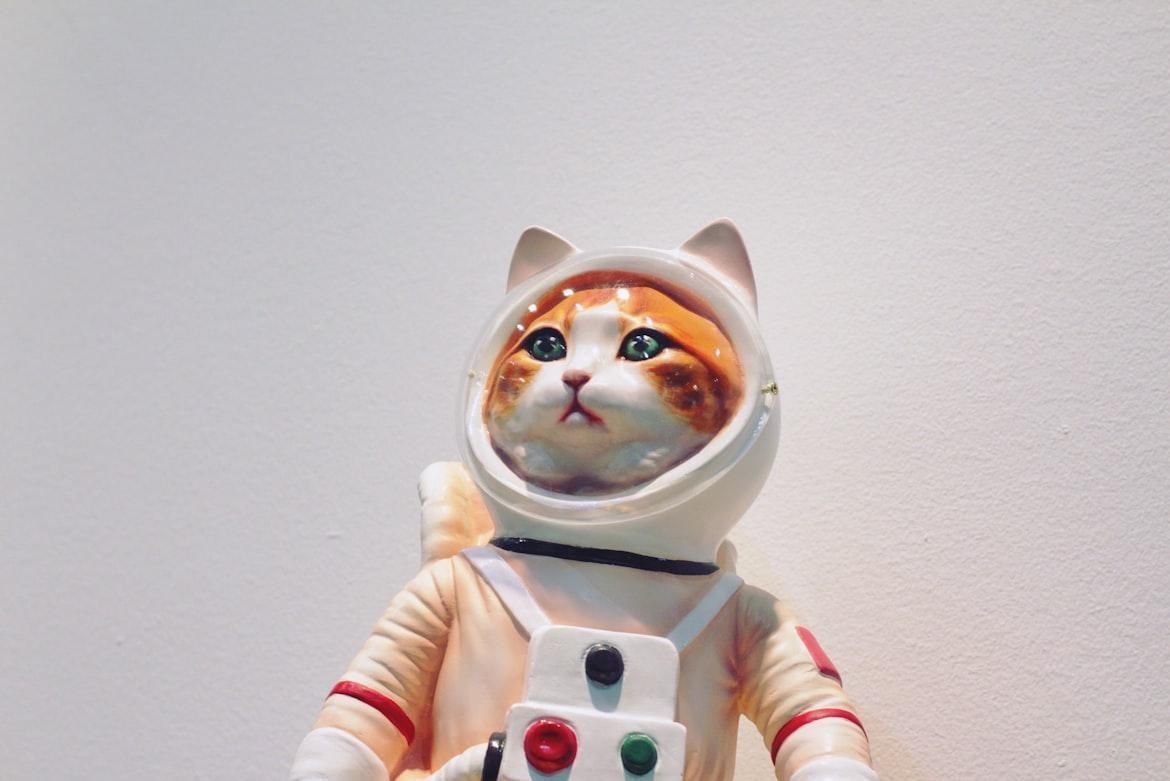
Félicette, the French cat

Image: AlemCoksa

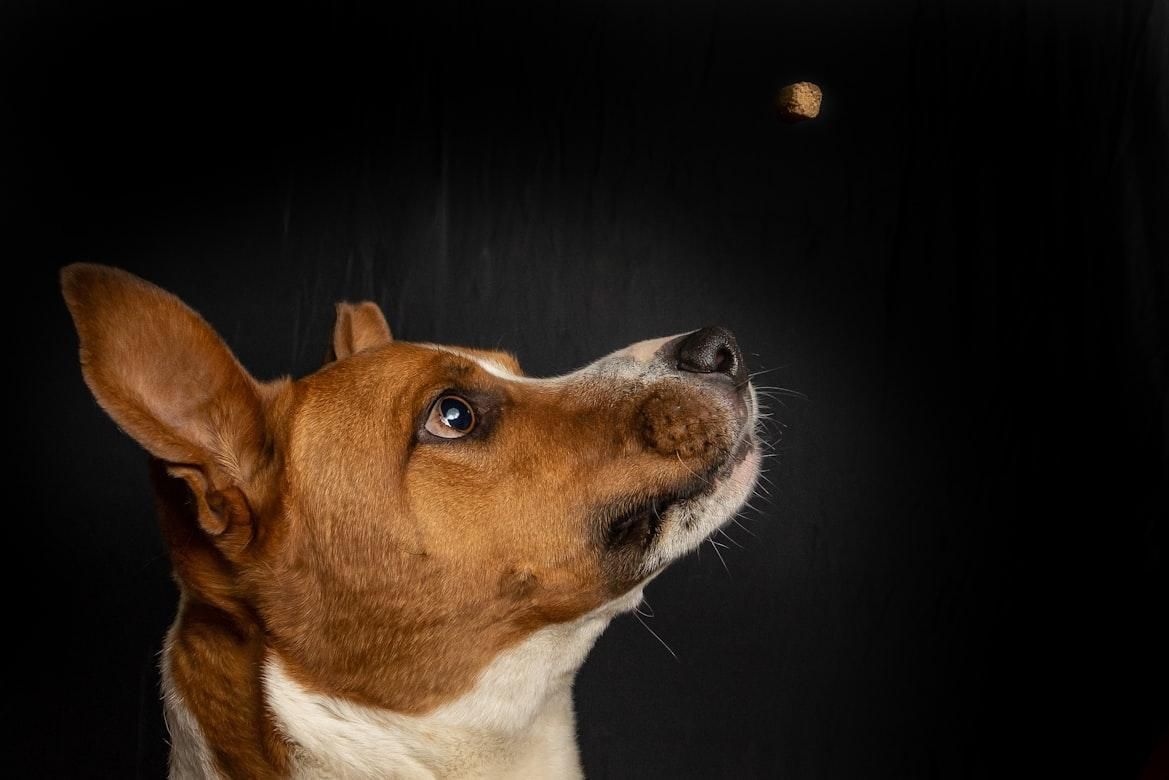
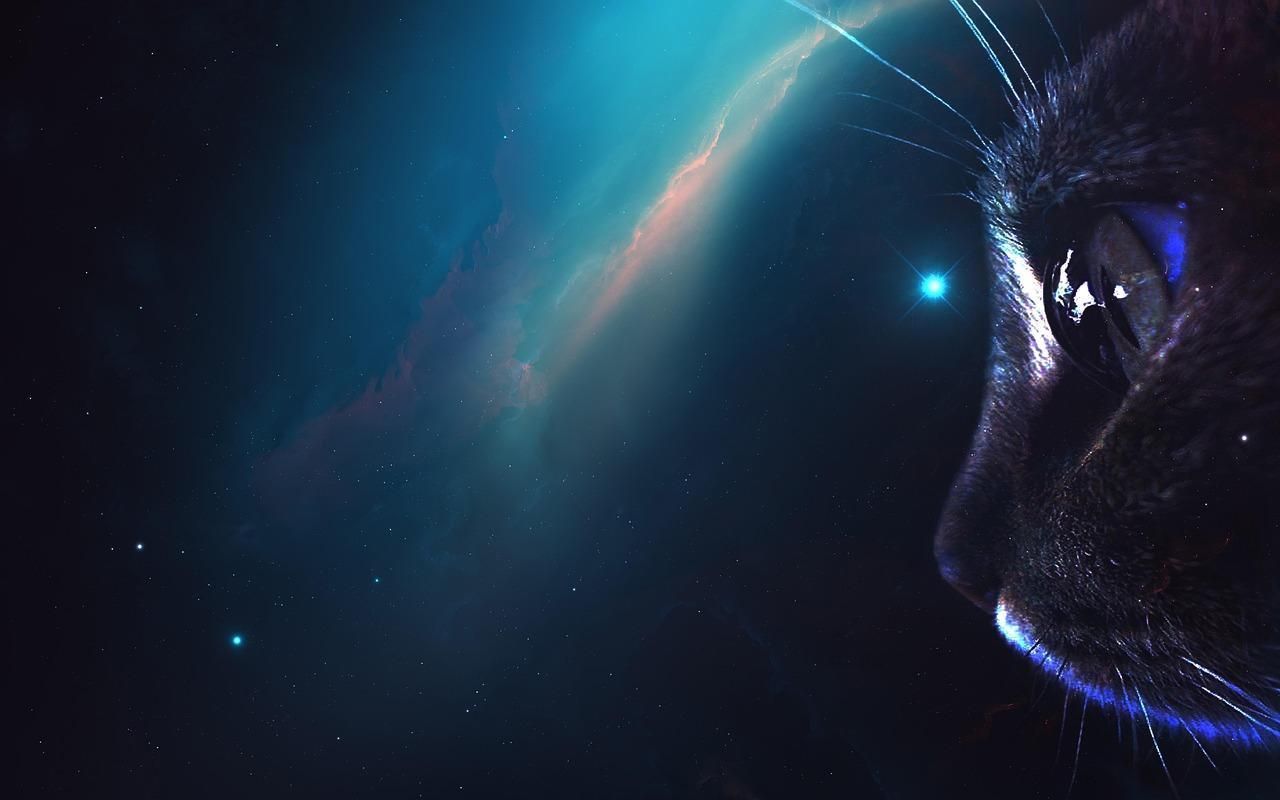
A cat in space? Oui, indeed! In the autumn of 1963, France made history by sending Félicette, a small black-and-white stray cat, on a pioneering 13-minute journey beyond Earth’s atmosphere. Carefully selected from a group of feline candidates, she was fitted with delicate electrodes designed to record her brain activity and vital signs as she ascended skyward. During her brief but extraordinary voyage, scientists on Earth monitored every heartbeat. Against all odds, she returned safely, landing back on her home planet with quiet poise. Félicette became not only the first but also the only cat ever to venture into space.

6

Tortoises on a lunar trip

Image: Shafiqul Islam

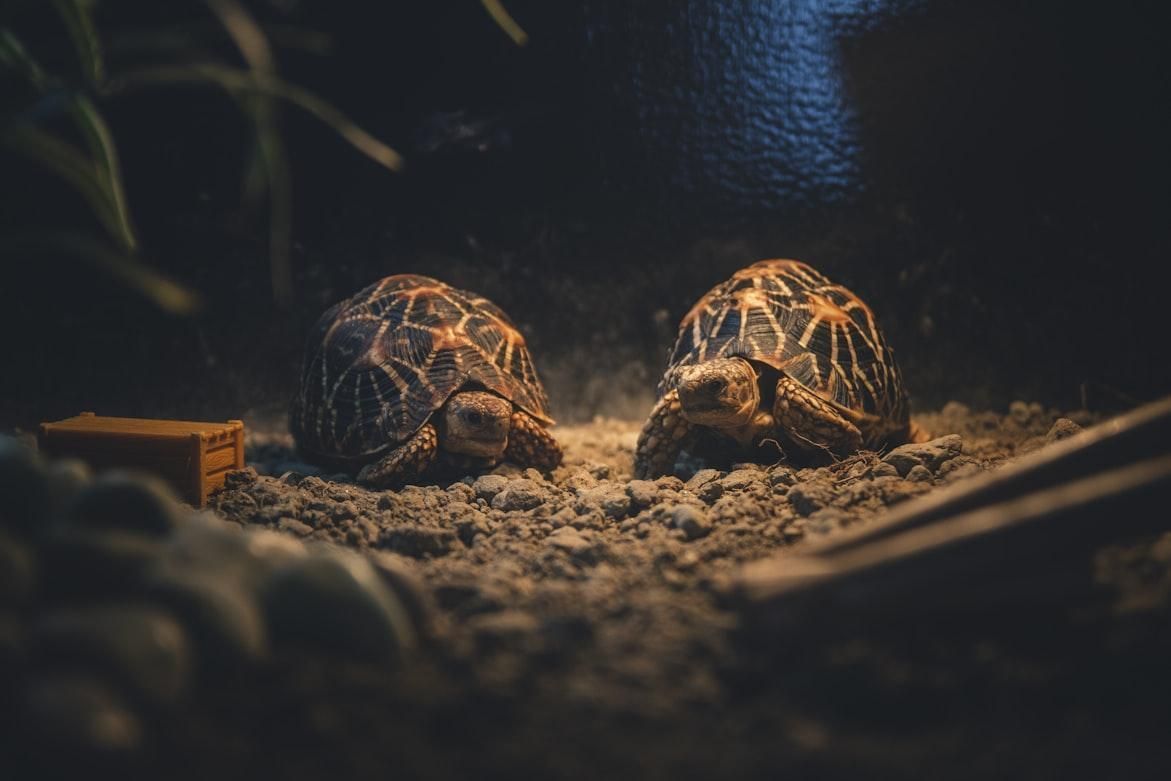
No rush, no panic, but calm, deliberate space travel at its finest. In 1968, two humble steppe tortoises from the Soviet Union became unlikely pioneers of cosmic exploration when they were placed aboard the spacecraft Zond 5, bound for a historic lunar orbit. While humans were still dreaming of walking on the Moon, these patient reptiles were already circling it, gliding silently through the vastness of space inside their small capsule. For seven days, they endured the journey without complaint, adapting to microgravity with the quiet resilience that defines their kind. When Zond 5 finally returned to Earth, the tortoises were found alive and in good health.

7

Frogs with strong stomachs

Image: Ray Hennessy

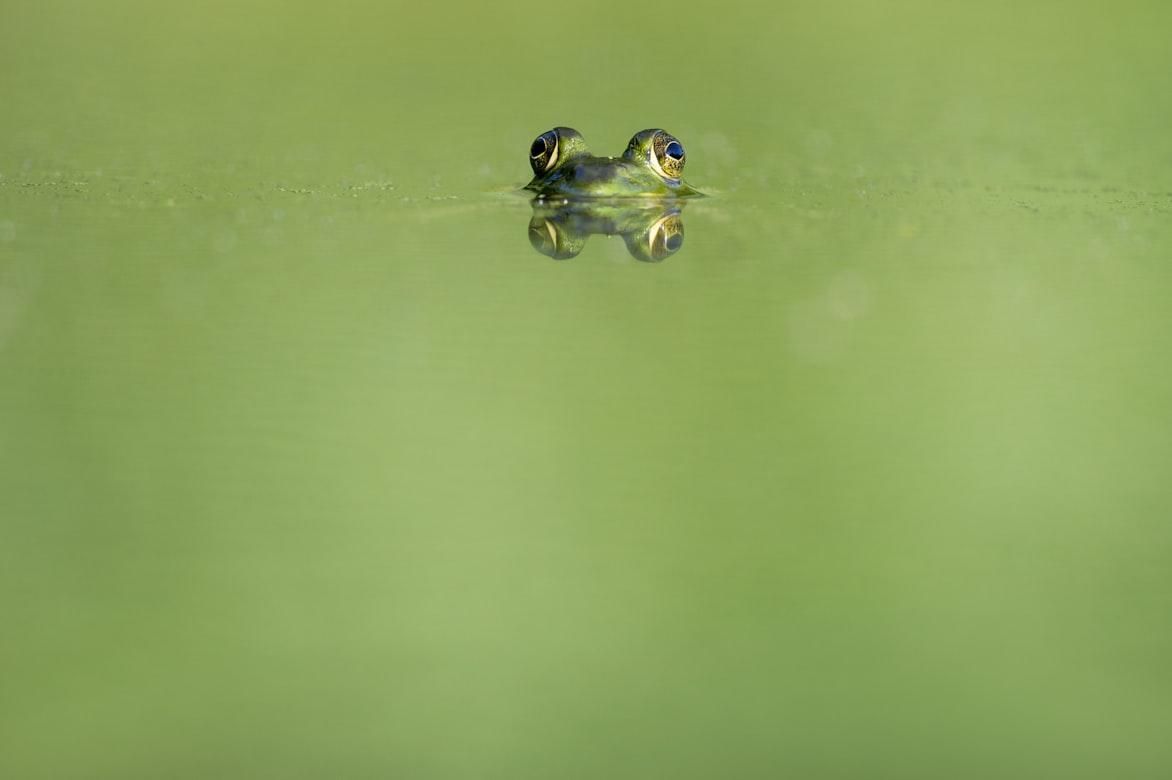
Imagine being rocketed into orbit only to end up dizzy and nauseous. That was the fate of two unsuspecting bullfrogs in 1970. NASA, ever curious about how living creatures handle the unusual conditions, sent the amphibious pair into space to study how balance functions without gravity’s pull. As the frogs tumbled and twirled in their tiny capsule, scientists were able to learn how the inner ear adjusts when "up" and "down" no longer exist. It might have been a disorienting ride for the frogs, but it turned out to be a ribbiting leap forward for science!

8

Spiders that spun webs in zero gravity

Image: Rafael Garcin

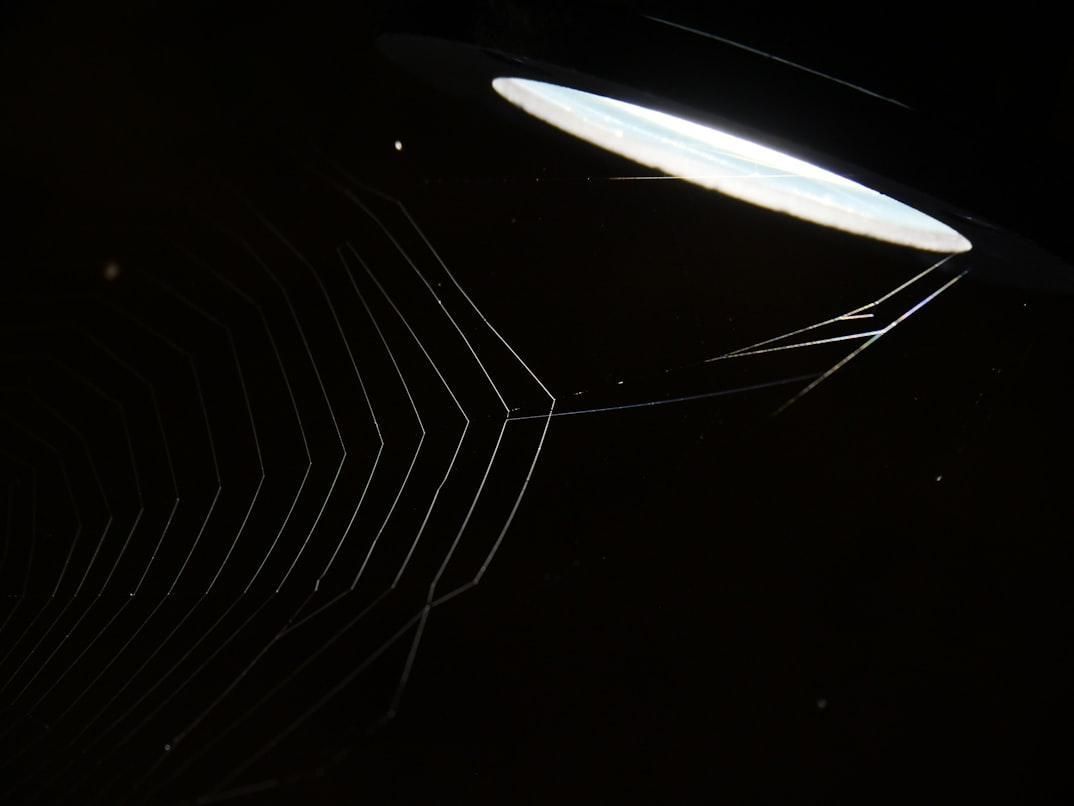
A web with no spatial sense? That was the mystery NASA set out to explore in 1973 when two pioneering spiders, Arabella and Anita, hitched a ride aboard Skylab. Their mission: to prove an arachnid could weave a proper web in the floating world of microgravity. At first, their silken constructions were lopsided and chaotic; yet, the spiders quickly adapted. Within just a few days, they were spinning near-perfect circular webs, as if gravity had never mattered at all.

9

Fish that swam through the air

Image: Sara Kurfeß

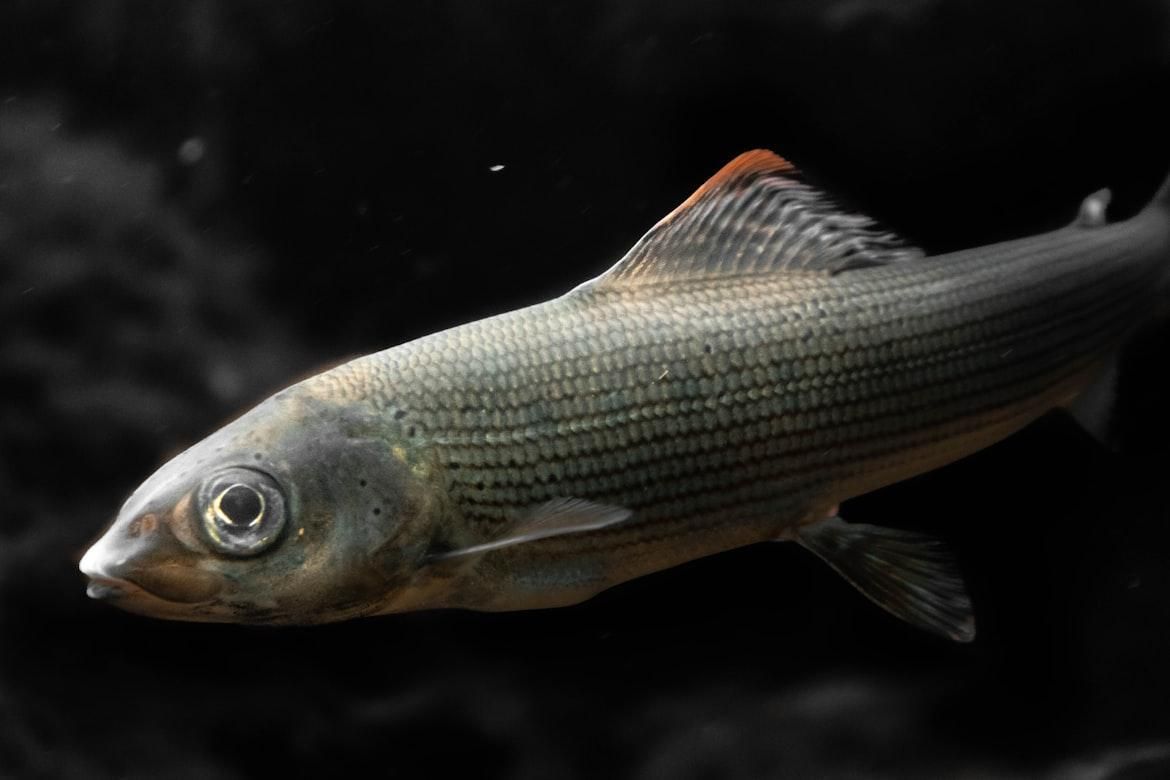
In the late 1970s, NASA scientists wanted to observe how aquatic life would behave beyond Earth’s pull. They released a few small fish inside a spacecraft and were surprised to find them "swimming" through the air. With no gravity to anchor them, the fish instinctively paddled their fins as though suspended in an invisible, weightless sea. Their silvery bodies drifted gracefully in slow motion like tiny astronauts in scales. The result was both scientific and poetic: a surreal, floating aquarium quietly orbiting the stars.

10

Tardigrades, the ultimate survivors

Image: malucero

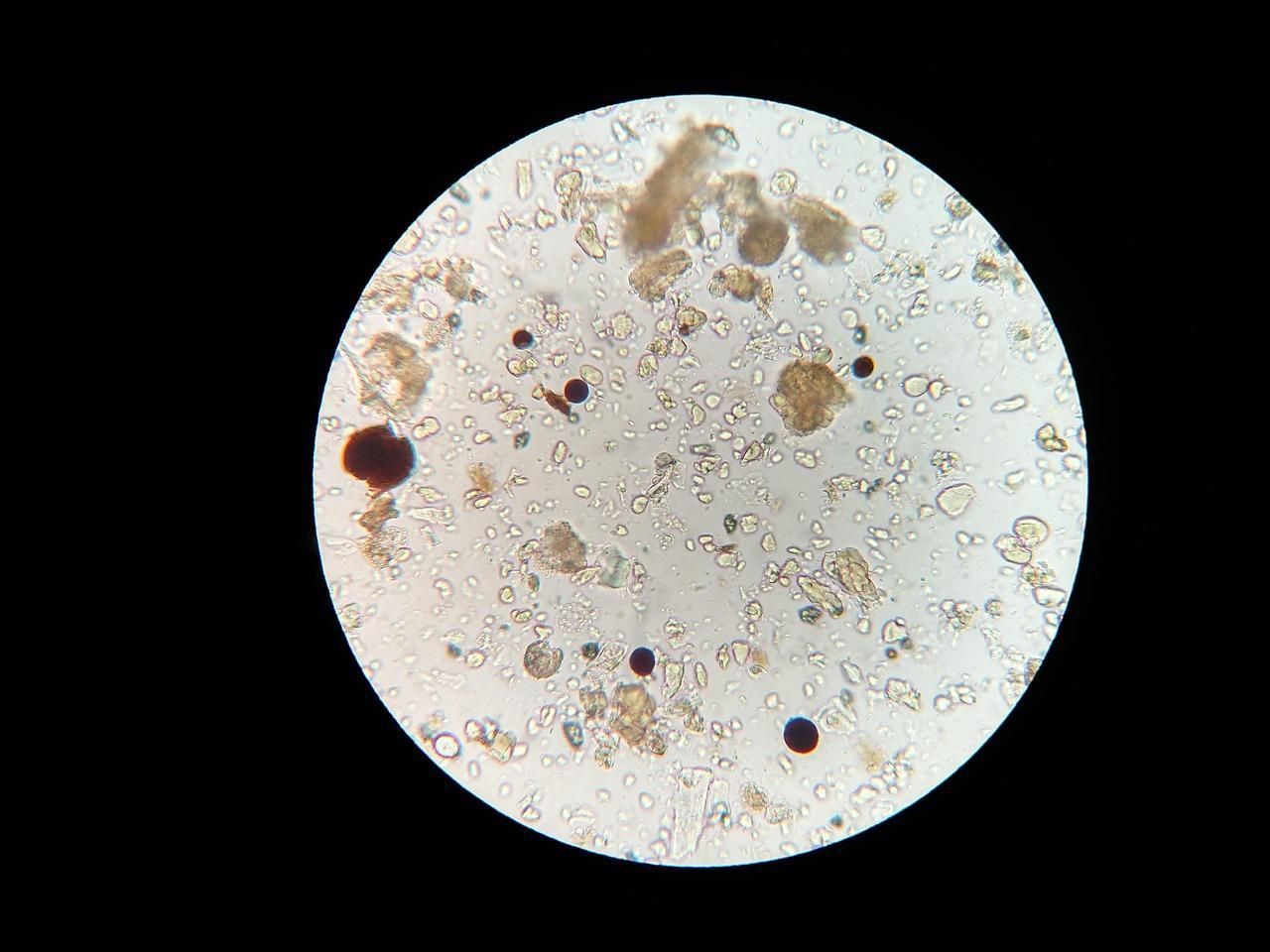
Did you know there’s a creature so resilient it can survive outer space? Tardigrades, affectionately known as "water bears", are microscopic beings capable of withstanding extremes that would destroy almost any other life form. In 2007, scientists exposed them directly to the vacuum of space with no suit, no shield, and no oxygen. The tardigrades endured blistering radiation, freezing temperatures, and complete dehydration. Yet, many of them simply shrugged it off and carried on living. Tough doesn’t even begin to describe these nearly indestructible little astronauts that are probably the hardiest beings not just on Earth, but in the entire universe.

Looking for an extra scoop of literary fun?

Learn more with our Word of the day

nihilism

/ˈnaɪəˌlɪzəm/