FROM BABY BOOMERS TO GEN-Z

Don't be a square! 10 slang words from then to now


Published on November 23, 2023


Image: Johnny Cohen

When a person born in the 1960s talks to someone born after the millennium, two distinct linguistic universes collide. That doesn’t mean they can’t understand each other, though–and despite (sometimes) vastly different perceptions about the world, both may have more in common than they happen to realize.

Slang are words or expressions used informally by people of a certain group that tend to be associated with a particular identity or experiences, and that often reinforce cultural ties within a generation or identity group. For anyone out of the loop, most slang is indecipherable, as all parents of teenagers or foreign English learners soon discover.

But many slang words and expressions go back to the same ideas, fulfilling the necessity to show approval or dislike of certain things that make up the life experiences of their users. Language is amazingly flexible, but how we talk—and what we talk about—always comes down to our main experiences and things that we can relate to on an everyday basis.

If you don’t believe us, join us to learn the meanings behind the sometimes cryptic language of Gen-Z and the equally baffling expressions from the Baby Boomer generation.

1

Lit

Image: Skye Studios

Something that is very good, exciting, or enjoyable. Do you like what you see? Just say ‘Lit’. If you haven’t heard this expression, you must have been living under a rock. ‘Lit’ is used everywhere, even by savvy millennials who don’t want to be left out yet.

2

Salty

Image: Emmy Smith

Someone is salty when they are angry or upset about something minor. A favorite of gamer teenagers. When you lose a game, you are probably gonna be salty about it. For older folks, think ‘ticked off’.

3

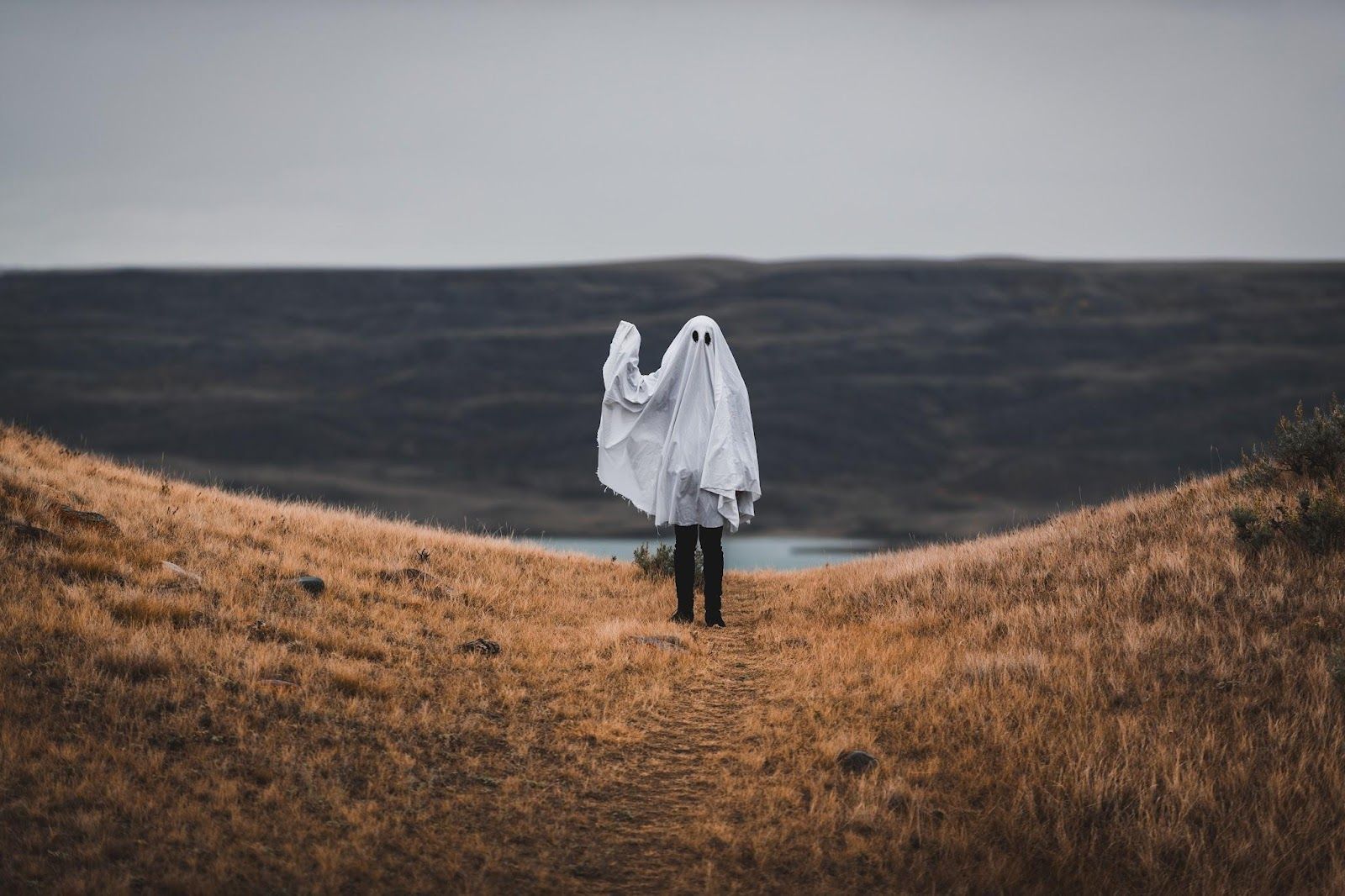
Ghosting (someone)

Image: Tandem X Visuals

‘Ghosting’ is the practice of cutting communication, usually over social media, with someone you are no longer interested in. While the act of vanishing is as old as the hills, the act of ghosting has an implicit connotation of happening through social media chats. Gen-Z is—for some reason—terrified of using phones as… well, phones, and would never directly call each other.

4

Fire

Image: Nijwam Swargiary

Something extremely cool. So, when a Gen-Z says, ‘Her fit at the party was fire’, you can translate it as ‘Her threads at the party were groovy’. Get it now?

Disclaimer: Intermediate generations between Baby Boomers and Gen-Z might be a bit confused now.

5

Flex

Image: Ben White

To ‘flex’ is just another way of saying that someone is showing off. Ok, this one probably resonates more with younger Millennials, but has its place in the Gen-Z vocabulary. The word originated with the slang phrase ‘weird flex but OK’, meant as a mocking answer to someone bragging about something unusual or questionable.

6

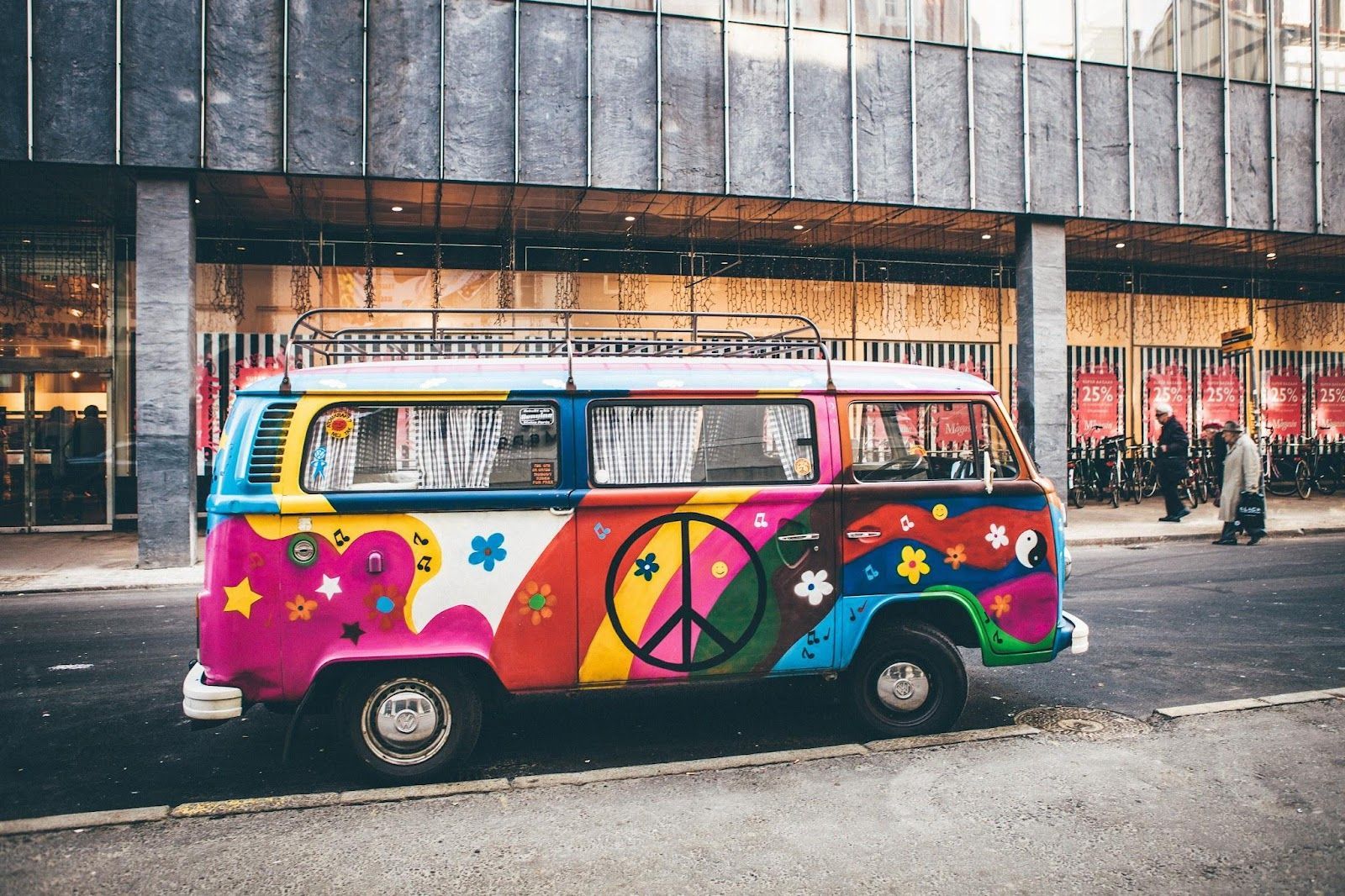
Groovy

Image: Nick Karvounis

Cool. Come on, anyone who has ever seen Austin Powers or any movie about the sixties and seventies knows this one. You can still say ‘groovy, baby!’ and everyone will get it, but people may laugh. Don’t say I didn’t warn you.

7

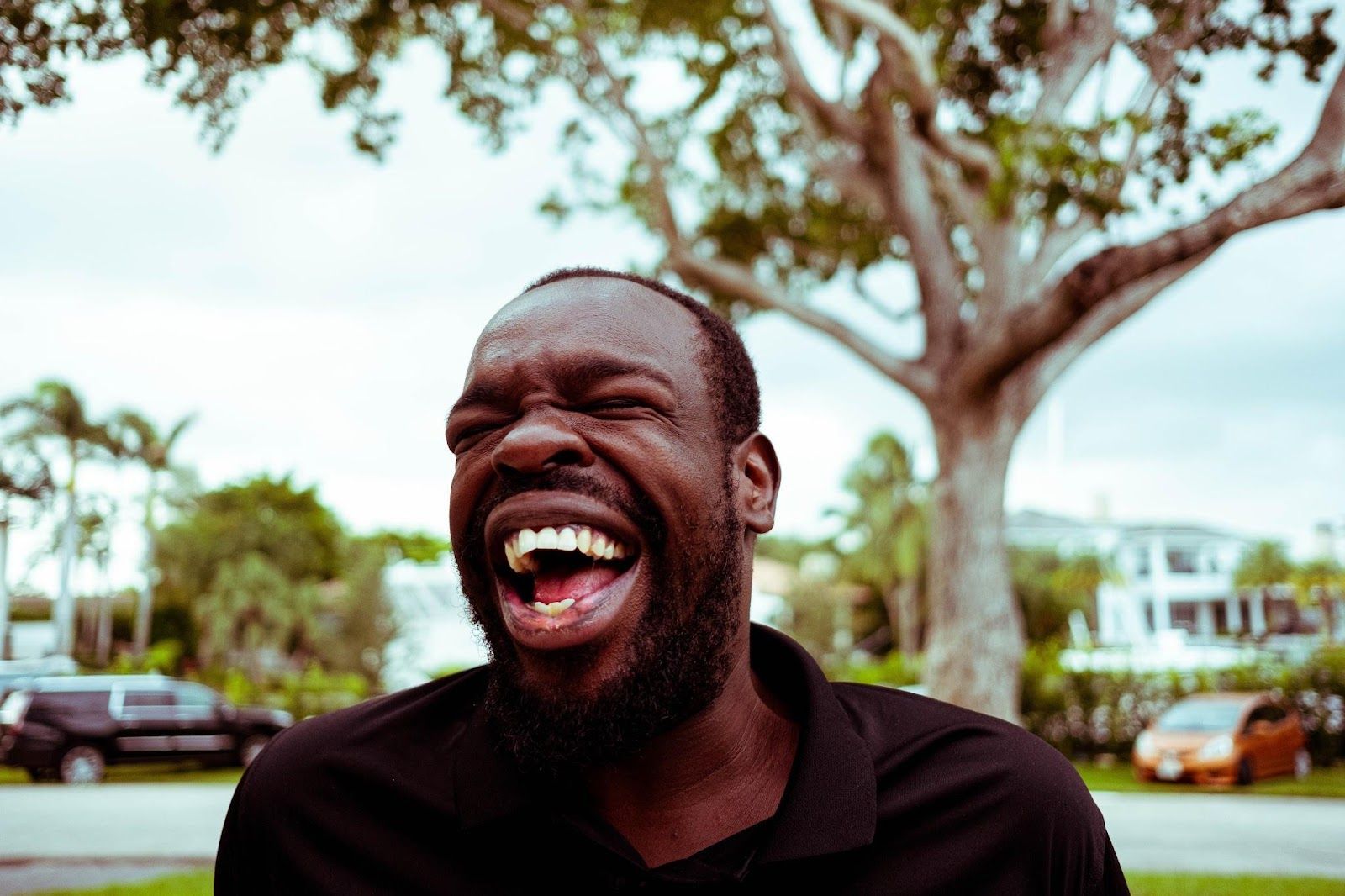
Having a gas / It’s a gas

Image: Brian Lundquist

Having fun, or in reference to something that it’s fun or good. Nothing to do with gasoline, but some people speculate there might be some relation to the effects of nitrous oxide intoxication - also known as laughing gas.

In any case, the first record of usage of the word ‘gas’ with a similar meaning is in 1839 under the pen of Charles Dickens. He wrote ‘Everything is gas and goiters’.

8

Square

Image: Hardini Lestari

Someone uncool or unfashionable. As is often the case with a lot of slang words used by the Baby Boomer generation, the word ‘square’ originated in the American jazz scene of the 1940s, meaning musically outdated people.

9

Drag

Image: Sepp Rutz

Boring. When something or someone is a drag, they are boring. Not to be confused with the Drag culture, where performers—typically men—dress as women in an exaggerated style.

10

Dropping a dime / to drop a dime

Image: Simon

Making a phone call. Although it has various interpretations that vary with context, ‘to drop a dime’ usually means simply to call someone on the phone. The phrase comes from the time when the cost of using a pay phone was 10 cents or a dime. You drop a dime and make a phone call, just so the other person doesn’t think you are ‘ghosting’ them!

It can also mean to inform on or betray someone, usually by telling a person in authority about their wrongdoings or unlawful activities.

11

An ever-changing landscape

Image: Glenn Carstens-Peters

We hope by now you are way more fluent in the slang used by young people both today and yesterday. The fun thing about language is that—more often than not—words that appear as slang end up becoming part of ‘normal’ speech or even formal communication. So nothing is really forgotten, and we think that’s groovy.

If you enjoyed our little list and want to keep learning about weird words, the origin of popular sayings, or just about anything relating to language, don’t miss out on our other articles! We’ll keep uploading and exploring interesting topics just for you.
They speak what? Where?

Migrant tongues: places with an unusual second language


Published on November 23, 2023


Image: Towfiqu barbhuiya

Migrations, trade, and other historical events have contributed to the spread of languages to regions far from their origins. But sometimes, we arrive at a new location expecting to hear a particular language, only to be surprised by the use of a language we wouldn’t expect. Here are 10 places in the world where an unsuspected language is spoken daily.

1

Argentinian Patagonia: Welsh

Image: Catrin Ellis

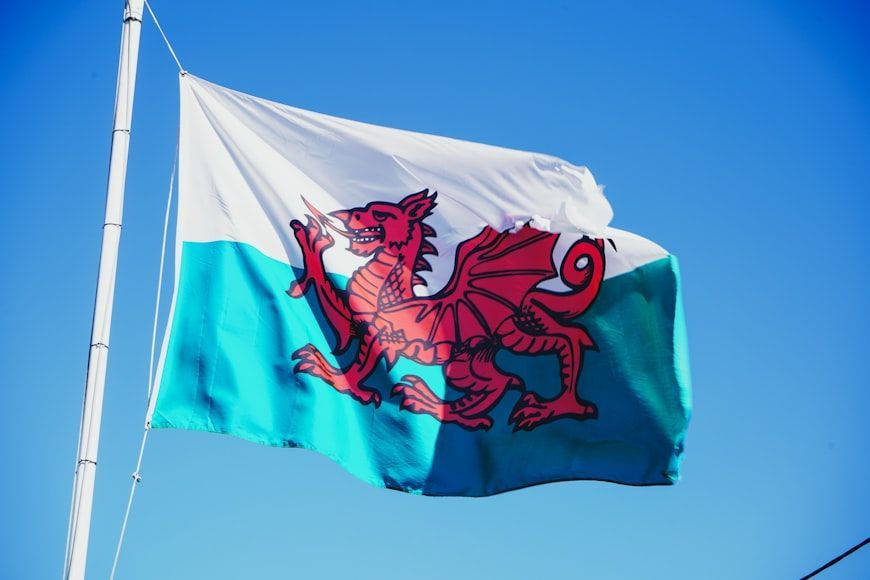
Welsh is the sort of language one wouldn’t expect to hear outside Wales, so its presence in southern Argentina often comes as a shock. During the 19th century, a group of Welsh people sailed across the Atlantic looking for a place where they could preserve their culture, which was threatened by English colonial rule. They arrived in Patagonia and founded Y Wladfa, or ‘the colony.’ Despite the harsh weather conditions, the colony subsisted and expanded, maintaining the Welsh language and traditions. Today, Argentina has the highest number of Welsh speakers outside Wales.

2

Chipilo, Mexico: Venetian

Image: Miikka Luotio

Italian is the official language of Italy, but most regions have their own distinct languages. Venetian is spoken in the north-east region of Veneto, but also in the Mexican town of Chipilo, a place that received an influx of migrants from a Venetian town called Segusino. These people spoke Venetian rather than Italian, a language that they were able to maintain thanks to Chipilo being somewhat isolated from other towns. Nowadays, Chipileño is a distinct dialect within the Venetian language.

3

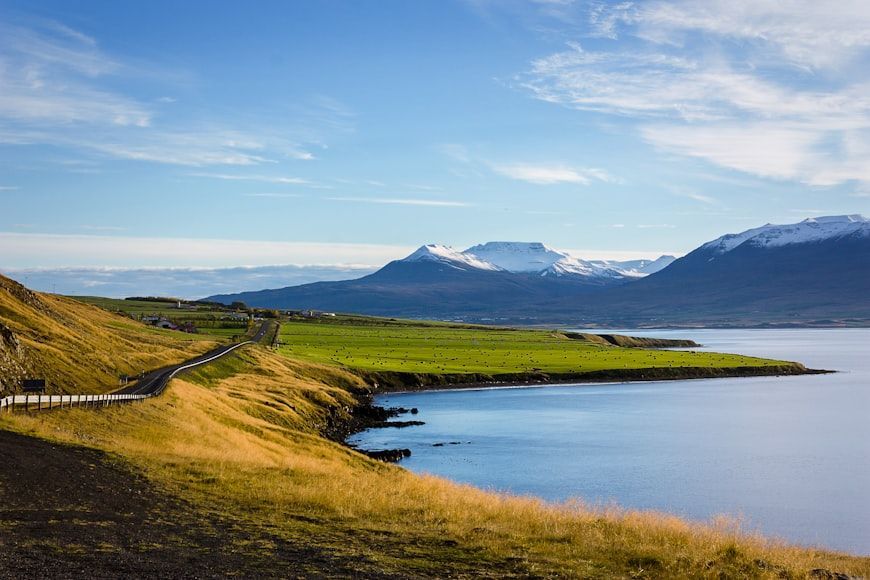
Gimli, Canada: Icelandic

Image: Josh Reid

Gimli, located north of Winnipeg, the capital of the Canadian province of Manitoba, was established by Icelandic settlers. It is the largest Icelandic community outside Iceland, and it has preserved many Icelandic customs and traditions. While the Icelandic language is still used and taught in Gimli, its fluency is sadly declining.

4

Sakhalin, Russia: Korean

Image: ibmoon Kim

The island of Sakhalin is part of the Russian Federation, but its control has changed hands multiple times in history, having been disputed by Russia, China, and Japan. After the Russo-Japanese War, Russia ceded the southern part of the island to Japan, which brought workers from one of its colonies, Korea, to work in the coal mines. When the Soviet Union recovered Sakhalin after WWII, the Korean population was around 50,000 people. Nowadays, only a fraction of their descendants are fluent in Sakhalin Korean, which follows the North Korean standard in writing, but the Seoul dialect in speech.

5

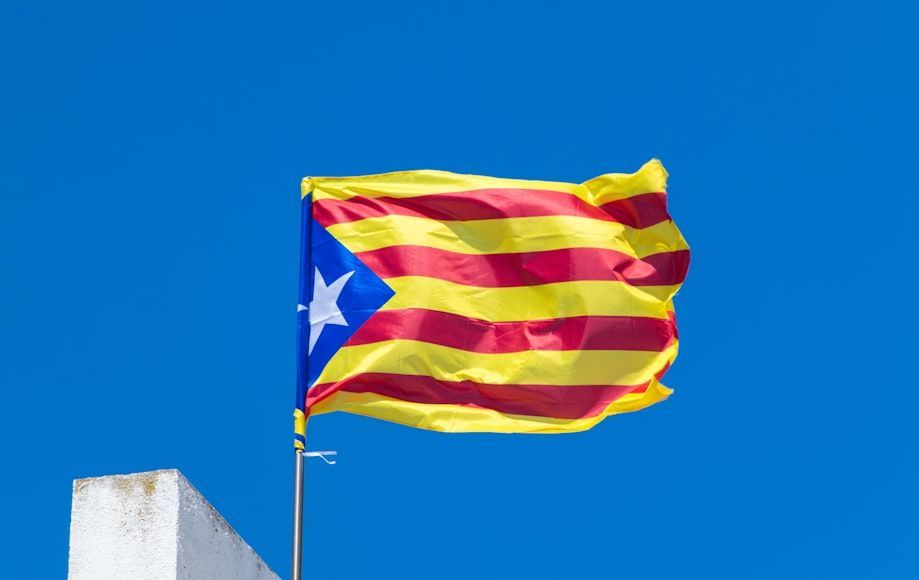
Alghero, Italy: Catalan

Image: Lucas Gallone

Before Italy became a unified country in the 19th century, many of its regions were part of different empires or kingdoms. During the Middle Ages, the island of Sardinia was part of the Kingdom of Aragon, which later became part of the Spanish Empire. Revolts during Aragonese rule led to the arrival of Catalan settlers, and the Catalan language became widespread. Although it was later replaced by other languages in much of Sardinia, it was preserved in the city of Alghero, where it is still spoken today.

6

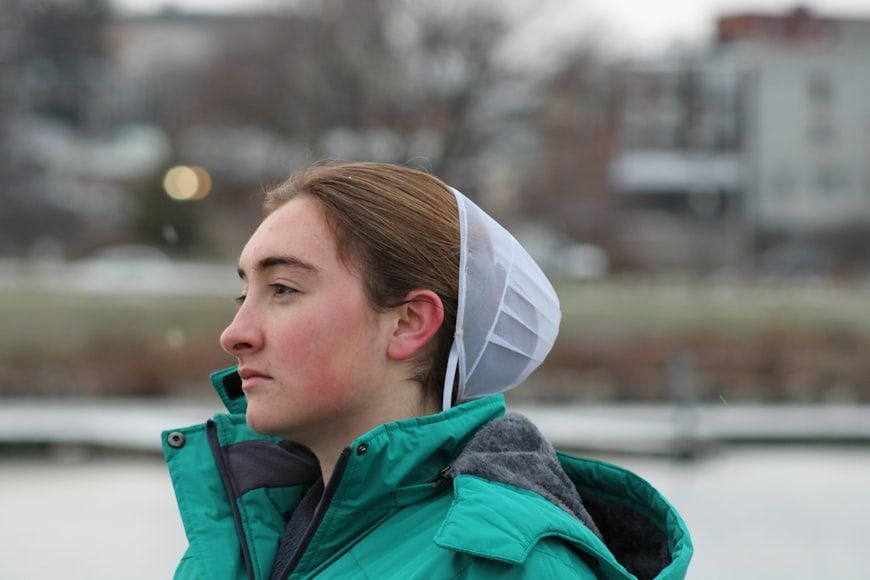
Boqueron, Paraguay: German

Image: Marie Martin

At the start of the 20th century, Mennonite groups looking for a place where they wouldn’t be forced to abandon their way of life relocated to the Boquerón department in Paraguay. They established several communities and transformed the arid territory into farmland. Though these groups came from different places, most of them spoke Plautdietsch, or Low German, a language that they still use in daily life. The Mennonite population in Paraguay is estimated at around 40,000.

7

Beqaa Valley, Lebanon: Portuguese

Image: Rafaela Biazi

Portuguese is widely spoken in many Asian countries due to colonization, but this is not the case. More than 100,000 Lebanese emigrated to Brazil in the 19th and 20th centuries, where there are now more than 7 million people of Lebanese descent. While many immigrants decided to permanently stay in South America, others returned home, carrying Portuguese with them. Today, around 10,000 people in the Beqaa Valley speak Portuguese daily.

8

Texas, U.S.A: German

Image: Roberta Guillen

Heritage languages in the U.S. tend to disappear after a few generations, but Texas German was once the exception. Spoken by thousands of descendants of German immigrants across Texas, and markedly distinct from Standard German, Texas German was at one point granted official recognition comparable to Spanish. Sadly, as a consequence of the First and Second World Wars, the language was suppressed, and its number of speakers has since declined.

9

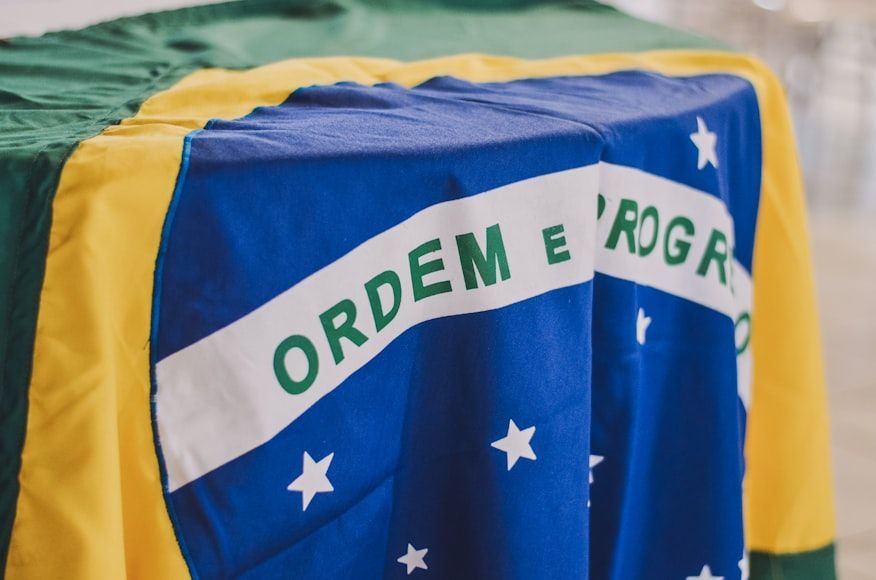
São Paulo, Brazil: Japanese

Image: FlyD

The fact that the largest Japanese community outside Japan is in South America may come as a surprise, but it is true. Japanese immigrants settled in several South American countries, but especially in Brazil, where nearly two million people are of Japanese descent. Most of them reside in the state of São Paulo. While not all Brazilian Nikkei are fluent in Japanese, it is estimated that there are between 400,000 to 450,000 speakers.

10

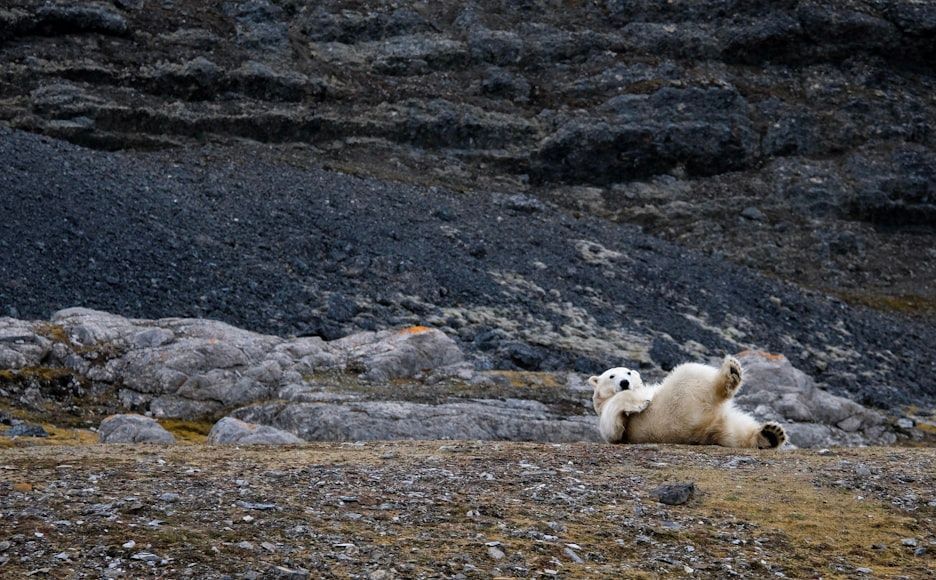
Svalbard, Norway: Thai

Image: Mathieu Ramus

What are the odds of Thai being spoken by 10% of the population of an archipelago in the Arctic? Quite high, if we consider that those kinds of regions are not densely populated. But how did a Southeast Asian language manage to get there? In the 1970s, many Norwegian miners from Svalbard married Thai women, who in turn became the link for other Thais who migrated looking for work. While there are only about 200 Thai speakers, this represents a sizable portion of Svalbard’s population of roughly 2,500.

Looking for an extra scoop of literary fun?

Learn more with our Word of the day

largesse

/lɑrˈ(d)ʒɛs/