YOU CAN ALWAYS STAY ON THE GAME

10 Healthy Activities Senior Adults Can Enjoy At Any Age


Published on November 14, 2024


Image: Ravi Patel

Being a senior adult in this day and age is not the same as it was just a couple of decades ago. The advancements in modern medicine have allowed everyone to live a longer, healthier, and more fulfilling life than ever before. And, as long as we take care of ourselves, staying active is possible at any age. We have compiled a short list of 10 things that can be done by almost anyone and can provide endless benefits to the body and mind.

1

Pets

Image: Nikolay Tchaouchev

It is no secret that pets bring life and joy to any house, making it a home. Older adults can enjoy the company a dog or a cat can provide, as long as the breed is not too attention-demanding. Also, a pet provides a wonderful excuse to get outside and stay connected to others.

And, thanks to most senior living communities now being pet-friendly, residents can bring their companions with them.

2

Music

Image: Jacek Dylag

Like reading, music provides a welcome break from everyday life to anyone who attempts it, whether by playing it or simply enjoying it. Today’s seniors are part of a generation that revolutionized music and many have decidedly specific tastes.

Learning to play a musical instrument, any instrument, is a highly stimulating activity for the brain, at any age. And if playing isn't an option, listening to both old, familiar tunes and new music can be a delightful mental pastime.

3

Art Classes

Image: Sarah Brown

Anyone who has ever attempted an artistic endeavor knows how immersive and rewarding it can be to spend time on your own, creating something for the pleasure of it. Many artistic expressions like painting or drawing require almost no physical effort and can be done either indoors or outdoors.

Watercolor and acrylic painting as well as drawing and sketching are all high on the list of avenues for artistic expression and, also, making art in a group can be an enjoyable way to engage with others.

4

Online Games

Image: rivage

Online games are not only for children and young people. At least not anymore. Connecting with others doesn’t always mean participating in an in-person event and chatting with friends and family online can be very convenient for people with reduced mobility.

Playing online games can help maintain social connections while training basic hand-to-eye coordination skills, which is especially important for senior adults.

5

Lectures and Education

Image: Alexandre Pellaes

An excellent way of staying mentally alert and engaged is achieved by expanding one’s knowledge. Attending lectures in nearby locations is an activity that combines physical and mental exercise. But watching and even participating online is very rewarding as well.

Also, enrolling in classes of any subject that might be of interest is a great way of stimulating one’s mind at any age.

6

Book Clubs

Image: Christin Hume

Readingis one of the most fulfilling activities that require almost zero physical effort and almost anyone can perform and thoroughly enjoy. And, while traveling with the mind through a book’s pages can be done anywhere, it is especially suited for the indoors.

Book clubs are a great way to socialize and bond over a thing all the participants love: books and reading. This kind of groups can be found almost anywhere and many are especially suited for senior adults.

7

Gardening

Image: Markus Spiske

Getting your hands dirty while cultivating the soil is one of the most noble activities a human being can perform. And, nobility aside, is also fun, rewarding, and cheap.

Gardening is an enjoyable activity that requires almost no physical effort (unless you plan on cultivating really big plants) and it can be adapted to whatever space is available. Watching life develop, harvesting fruits and vegetables, pulling weeds, and nurturing plants is an endeavor that is well within most senior adults’ reach and provides enormous amounts of joy.

8

Group Exercise Classes

Image: Anupam Mahapatra

Group exercises, like yoga, tai chi, or aqua gym, are fun and social ways to improve flexibility and balance, which are key to preventing falls in older adults.

Almost every neighborhood has a center or location where at least one group exercise class well suited for senior adults can be found.

9

Hiking and Walking

Image: Jon Flobrant

A good walk can provide a breath of fresh air and a boost to natural "feel good" endorphins. Walking around the community is an easy way for a senior adult to keep active, and can also be a good way of making friends.

Hiking and walking are low-impact activities that provide valuable exercise while stimulating the mind by discovering new places and creating memories.

10

Cooking

Image: Alyson McPhee

Last but not least, an activity that is rewarding for both the part that does the cooking and the one that does the eating. Cooking is really fun and therapeutic even for someone who has never done it before (as long as she or he stays away from overtly complicated recipes at first).

There are infinite websites and books available that teach how to cook anything and everything, tailored for each individual group of people, including senior adults. Just pick a recipe you enjoy and give it a try.


Words to live by

The short sayings other cultures use to say what we all feel


Published on November 14, 2024


Image: Thomas Bethge

Every culture looks at life through its own lens: from a farmer in old Japan to a poet in ancient Rome, they all figured out their own version of "life's too short, don't be a fool about it". But some languages found the perfect handful of words to capture an idea that other languages take a whole paragraph to fumble through. You've probably heard "Carpe diem" shouted by Robin Williams in Dead Poets Society, or maybe your grandfather liked to say "a bird in the hand is worth two in the bush" (which got a big boost from Benjamin Franklin, who printed it in his famous almanac). Here are 10 more gems worth adding to your back pocket.

1

"C'est la vie" (French: "that's life")

Image: Nicoleta Ionescu

You say this when something annoying or disappointing happens and there's simply nothing to be done about it: you missed the bus, the soup's too salty, whatever the case may be. Nobody can pin down exactly when it started, but it's been part of everyday French speech for centuries, and it slipped into English decades ago.

The closest American equivalent is probably "such is life" or the more resigned "it is what it is."

2

"Il dolce far niente" (Italian: "the sweetness of doing nothing")

Image: JaySi

This one celebrates lounging around guilt-free: sipping coffee, watching the world go by, accomplishing absolutely nothing on purpose. It's tied to Italy's relaxed approach to life and shows up whenever someone wants to justify an afternoon nap.

There's no single inventor; it's just baked into Italian culture. English doesn't really have a phrase this poetic, though "kicking back" or "taking it easy" gets at the same idea, minus the charm.

3

"Que será, será" (Spanish: "whatever will be, will be")

Image: stoatphoto

A gentle way of saying "don't stress about the future, it'll work out how it works out." Many Americans know it from the 1956 Doris Day song, though the phrase itself is older and its exact origin is fuzzy; some trace similar sayings back to medieval Europe. It's perfect for calming down a worrier before a big decision.

English speakers might reach for "what will be, will be" or simply "it'll all work out."

4

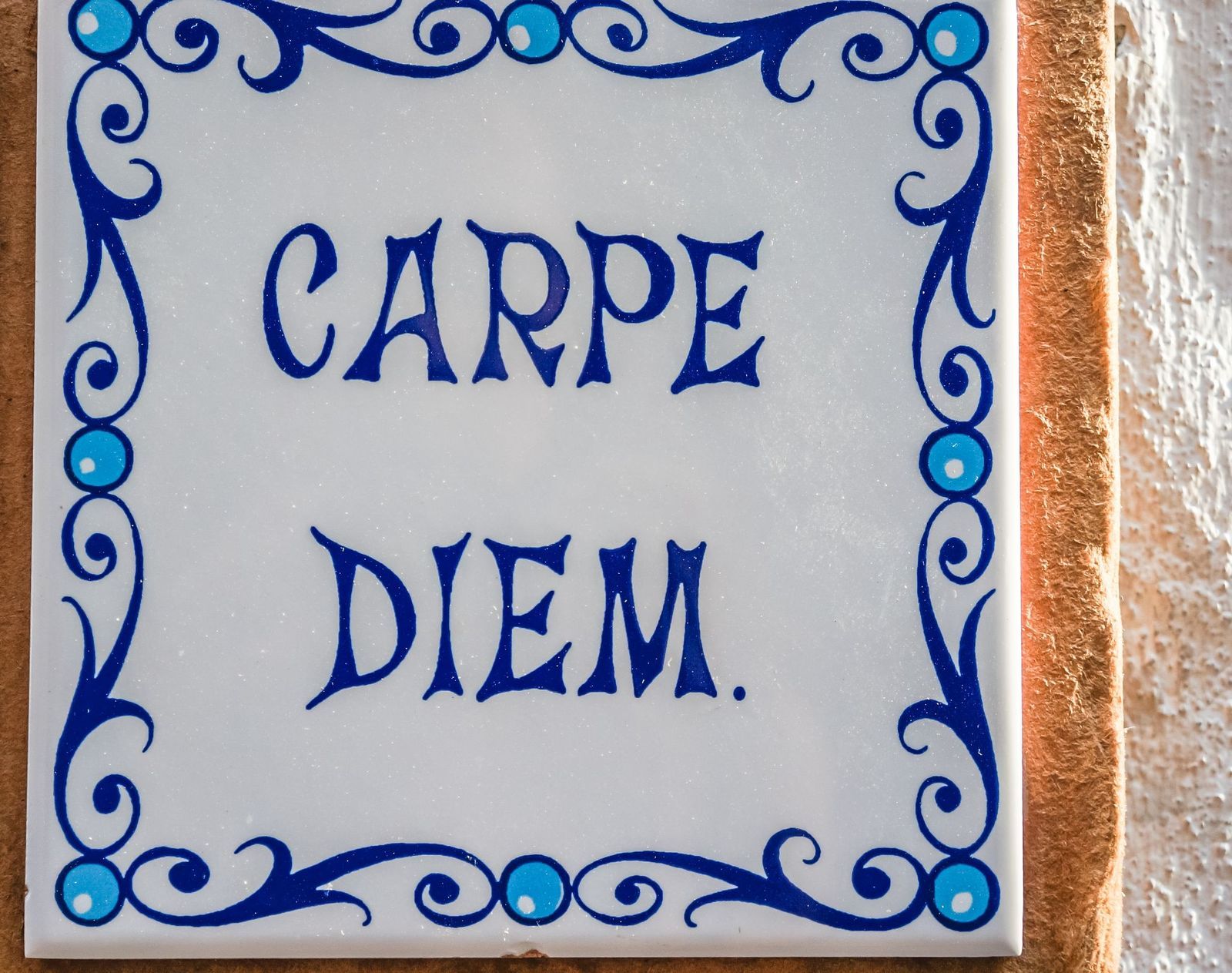
"Carpe diem" (Latin: "seize the day")

Image: Indre Brazauskaite

This one comes straight from the Roman poet Horace, around 23 B.C., urging readers to grab pleasure from today instead of banking on tomorrow. It became a household phrase in America after that unforgettable scene in Dead Poets Society. Use it anytime you're pushing someone (or yourself) to stop overthinking and just do the thing.

The English cousin is "no time like the present."

5

"The best time to plant a tree was 20 years ago" (often called a Chinese proverb)

Image: Yury Zap

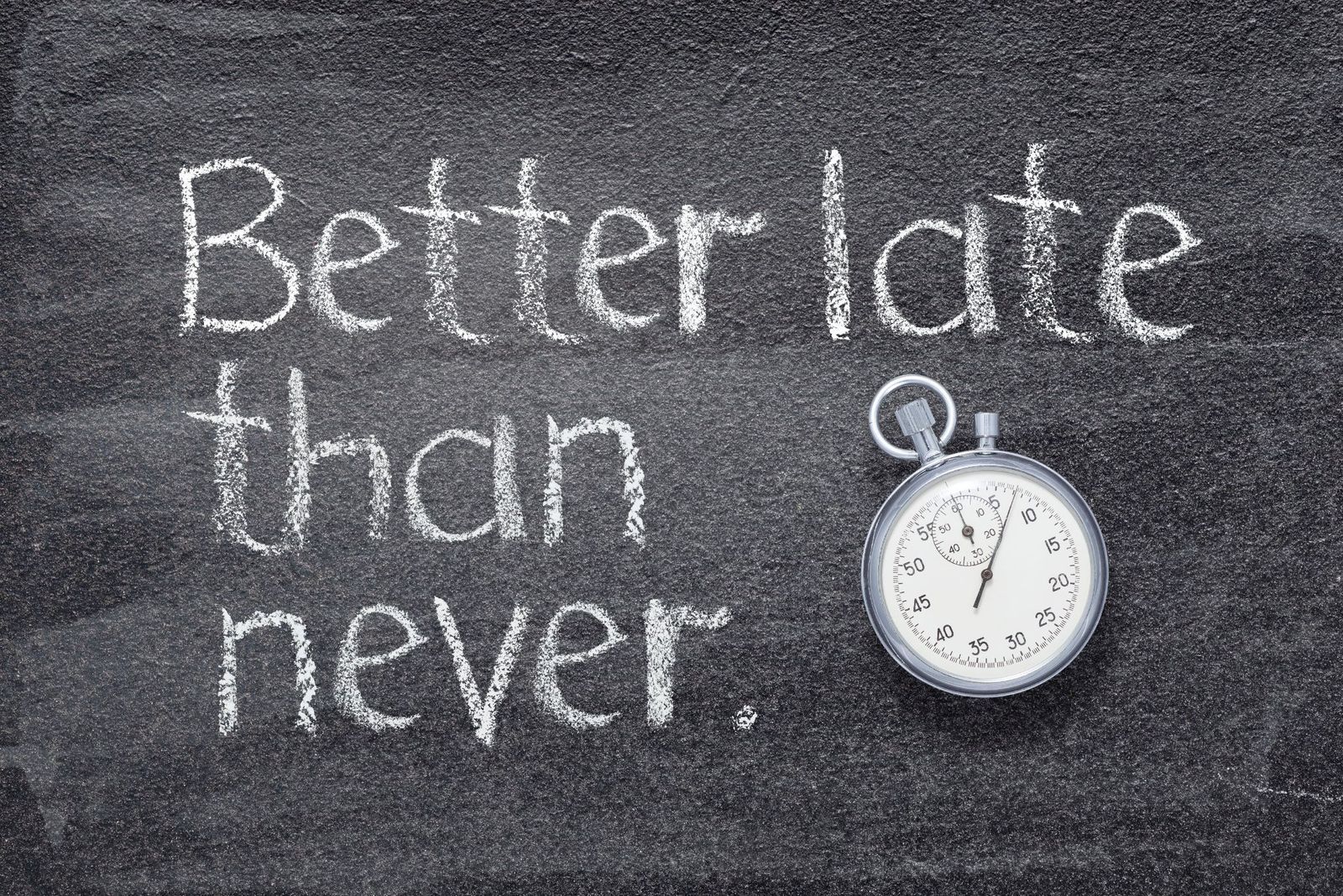
The message is: you can't undo a late start, but you can still act now instead of moping around. It's often attributed to ancient Chinese farming wisdom, though nobody can point to an exact author or date. People say this when someone's beating themselves up over a delayed career change, workout plan, or savings account.

The nearest English saying is "better late than never."

6

"Deru kui wa utareru" (Japanese: "The nail that sticks up gets hammered down")

Image: Cagkan Sayin

This reflects a traditional Japanese value of blending in and not causing friction within the group. It's used to explain why someone might hold back from bragging or standing out too much at work or school, even when they deserve more credit. Its exact origins are unclear, but it's long been considered a summary of Japanese social norms.

English has "the squeaky wheel gets the grease"; funny enough, the opposite advice.

7

"When the music changes, so does the dance" (Africa, various regions)

Image: Elena_Alex_Ferns

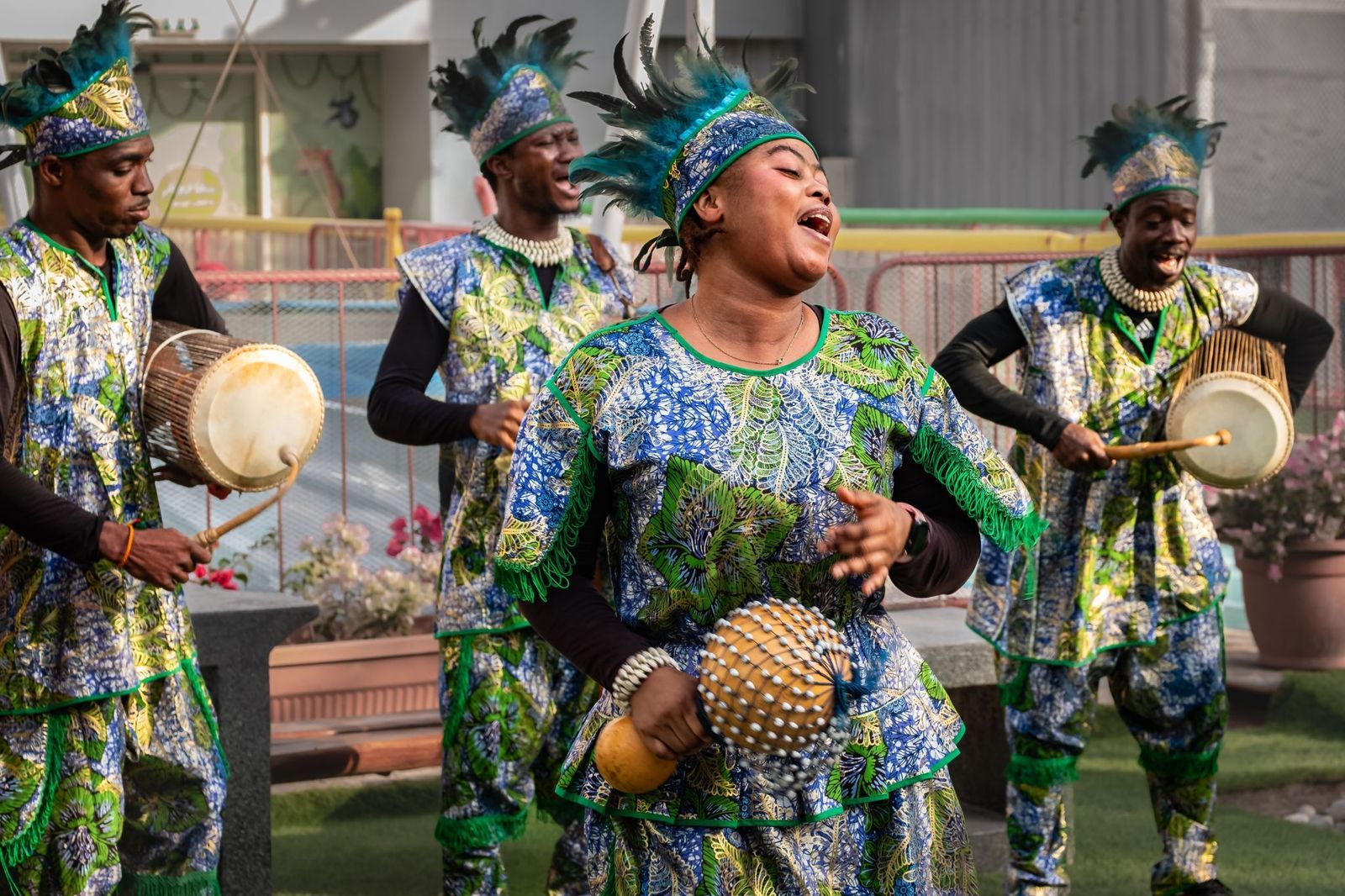
This proverb, heard across several African countries without one confirmed birthplace, is about adapting when circumstances shift: new boss, new rules, new season of life, whatever the case may be. It's the wise elder's way of saying "stop dancing to a song that already ended."

Americans might say "roll with the punches" or "go with the flow" instead.

8

"A bird in the hand is worth two in the bush" (England)

Image: Ansems - de Jong

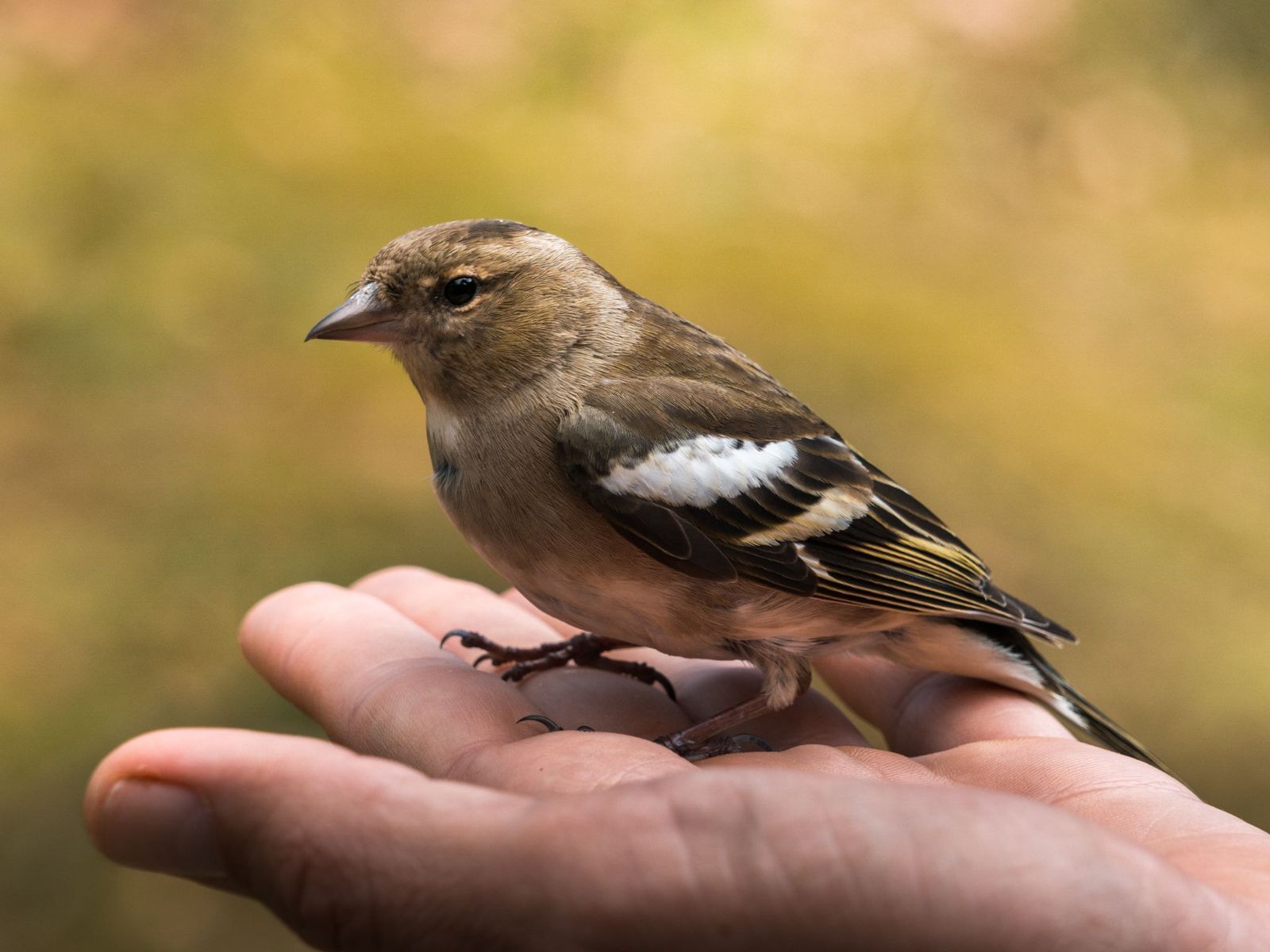
This warns against risking something certain for something uncertain, however tempting. Benjamin Franklin printed it in his famous Poor Richard's Almanack in the 1700s, though the saying is actually much older, tracing back to medieval English and even earlier fable traditions. It's the go-to line when someone's tempted to gamble a sure thing for a "maybe better" option.

9

"Ubuntu: I am because we are" (African philosophy)

Image: PeopleImages

Rooted in Southern African culture, this idea states that your identity and wellbeing are tied to your community and that you don't exist in isolation. Archbishop Desmond Tutu helped popularize it worldwide during South Africa's post-apartheid years. It's used to encourage compassion and teamwork, and to remind us that we're all connected.

English doesn't have a tidy one-liner for this, though "no man is an island" comes close.

10

"Wo de tian!" (Chinese: "Oh my heavens!")

Image: TimeImage Production

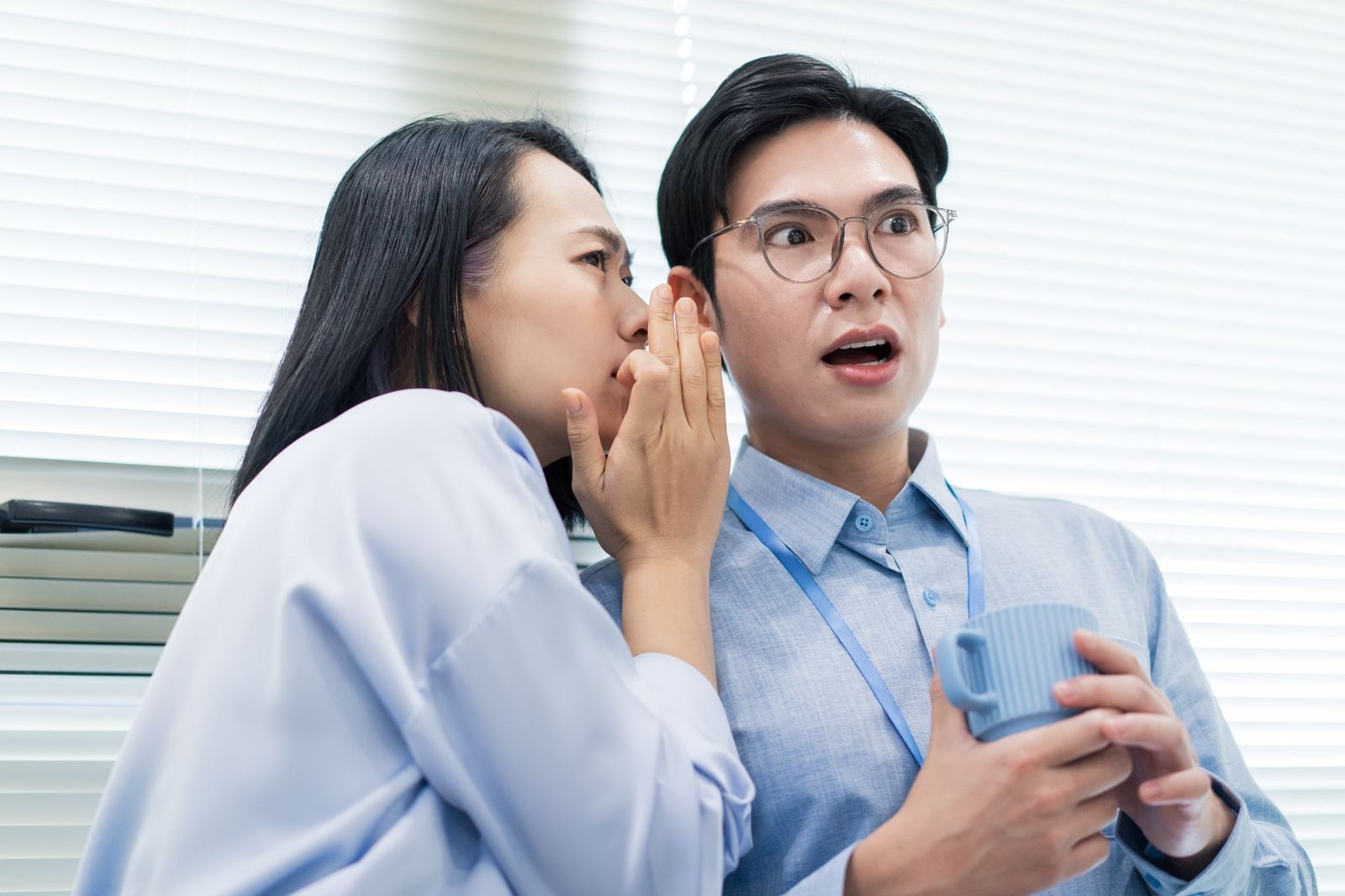
This is simply an exclamation of shock or disbelief, the Mandarin cousin of "oh my gosh!" There's no dramatic origin story here; it's everyday, casual speech, useful for when you accidentally drop your phone in the toilet or hear surprising gossip.

The English equivalent is right there in the translation: "oh my heavens" or "good grief."

Looking for an extra scoop of literary fun?

Learn more with our Word of the day

alacritous

/əˈlækrədəs/