The moving and the talking!

Did you know body parts can also be verbs? Here are many examples!


Published on February 10, 2025


Image: engin akyurt

Our body takes us to all kinds of places, but not only in the literal sense. You can head a meeting, shoulder a responsibility, or eye someone suspiciously. Some words started as simple body parts, but evolved to take on actions and meanings that go far beyond anatomy! Are you ready to flex your brain?

1

Head: Leading the way

Image: Evan Lee

You might head something like a company or a movement, in any case, you’re the person in charge. This makes perfect sense, since your head is, well, at the top of your body!

The word comes from Old English heafod, meaning the top or chief part of something. In time, it became a handy verb that keeps things moving forward, literally and figuratively.

2

Shoulder: Carrying the load

Image: Viktor Talashuk

To shoulder something means to take on responsibility or carry a burden. It’s no surprise where this comes from, after all, your shoulders are built to bear weight!

This usage dates back to the 14th century when it referred to physically carrying things. Eventually, it took on a more figurative meaning, like shouldering blame or responsibility.

3

Back: Offering support

Image: Diane Alkier

To back someone means to support them, whether it’s a friend, a cause, or a winning horse at the racetrack.

This makes sense because your back provides strength and stability. The verb form of "back" has been around since the 14th century, originally meaning to push something forward or stand behind it. Today, it has multiple meanings but they all go back to the idea of support and assistance.

4

Toe: Walking the line

Image: Teo Zac

To toe the line means to follow the rules, but where does that come from? It dates back to 19th-century military drills, where soldiers had to stand with their toes exactly in a line for inspection.

The phrase evolved to mean strict obedience in all the fields, from sports to business, or politics. It’s a sign of good behavior and appreciation for order. Quite necessary, don’t you think?

5

Skin: Barely escaping

Image: Wilhelm Gunkel

To skin something means to remove its outer layer, but it also has a more dramatic meaning: Escaping by the skin of your teeth. This odd phrase comes from the Bible’s Book of Job, where it meant surviving with almost nothing left.

In modern usage, "skinning" something can mean barely avoiding disaster. You might skin your knee falling off a bike, or skin by on just enough money. Which of these have you experienced?

6

Muscle: Forcing your way in

Image: Jonathan Borba

We say muscle, you think of strength, don’t you? That’s right, to muscle your way into something means to use strength, either physical or persuasive, to get what you want.

Whether you’re muscling through a tough workout or muscling your way into an exclusive club, the meaning is quite clear. It’s been used this way since the early 1900s, especially in sports and business.

7

Eye: Watching closely

Image: Arteum.ro

You know when there’s only one slice of cake left and you patiently wait and wish nobody else grab it? You look at it carefully, in the hope you are the one to eat it. Well, you actually eye it!

The verb, first recorded in the 17th century, was used to mean looking at something with intent. Today, we use it for everything from sizing up a deal to checking out a new car.

8

Thumb: Hitching a ride

Image: Tash Williams

Have you ever gone backpacking, with no transport booked, just you and your thumb to take you places? To thumb a ride means to hitchhike, sticking your thumb out on the roadside and hoping for the best.

This practice became common in the early 20th century when travelers relied on the kindness of passing drivers. The thumb became the universal signal for needing a lift, and the verb stuck.

9

Stomach: Handling the tough stuff

Image: Eugene Chystiakov

To stomach something means to tolerate it, even when it’s unpleasant. This makes sense since our stomachs are in charge of digesting (or rejecting) things we consume.

The verb form has been around since the 16th century, but it originally meant taking something in without protest. Today, we use it for everything from bad news to terrible fashion choices. If you can stomach it, you can get through just about anything!

10

Mouth: Speaking without words

Image: Joey Nicotra

No hidden meaning in the last body part/verb: When you mouth something, you’re moving your lips without making a sound, like lip-syncing or whispering in a way no one can hear.

Back in the 16th century, "mouthing" referred to exaggerated speech. Today, we use it for silent apologies, or to pretend we know song lyrics, a lot of possible scenarios. You’ll just need to be careful, if you mouth off too much, you might find yourself in trouble!


Stranger danger

From sharks to mosquitoes: The 12 most dangerous animals to humans


Published on February 10, 2025


Image: GEORGE DESIPRIS

When we think of the most dangerous species of the animal kingdom, the first things that come to mind are snakes, sharks, and crocodiles. While these animals are sometimes lethal to humans, others are even more so. Read on to discover 12 of the world's most terrifying animals. Some of them will probably shock you!

1

Hippos

Image: Chris Stenger

Hippos can be as adorable as they are dangerous. They love water and spend up to two-thirds of their day submerged in rivers and swamps in central and southern sub-Saharan Africa. But behind that gentle, easy-going image lies one of the most aggressive species —even more so than lions and rhinos— killing up to 500 people a year.

With long tusks, strong jaws, and a weight that can reach 5,000 lb, they do not hesitate to confront any species when it comes to guarding their territory. Although they may seem somewhat lazy, they are fast, strong, and territorial. So be respectful and do not disturb their habitat!

2

Snakes

Image: Peter Bartel

There are many dangerous snakes in the world, but the one you should be more cautious about is the Taipan. The inland Taipan, a species endemic to Australia and New Guinea, has the most lethal toxins, and its bite can kill a person in just 45 minutes. Fortunately, there is an antidote to counteract its venom!

This species and others as dangerous as the Black Mamba and the King Cobra are responsible for the death of no less than 80,000 to 130,000 people per year globally.

3

Sharks

Image: Gerald Schömbs

There are more than 350 species of sharks, but only three are responsible for the highest percentage of attacks on humans: the great white shark, the tiger shark, and the bull shark. Although sharks are dangerous, they are not the most lethal animal for humans. In the last century, there has been an average of only 6 fatal attacks per year, with Australia having the highest number of incidents.

As a matter of fact, despite their reputation as vicious predators in movies, they are often the victims. Sharks are heavily hunted for their skin, fins, meat, and even their organs.

4

Scorpions

Image: Andrey Tikhonovskiy

This predatory arachnid arthropod is another of the most dangerous animals for humans: it kills approximately 5,000 people per year worldwide. Scorpions can live in a variety of habitats, from deserts to urban areas, and it’s common to find them under rocks, in crevices, or in construction debris.

However, of the more than 1,000 venomous scorpion species, only about 25 can be deadly to humans. The most venomous scorpion is the thick-tailed scorpion, responsible for 90% of the deaths caused by scorpion attacks in Africa.

5

Bees

Image: Gary Yost

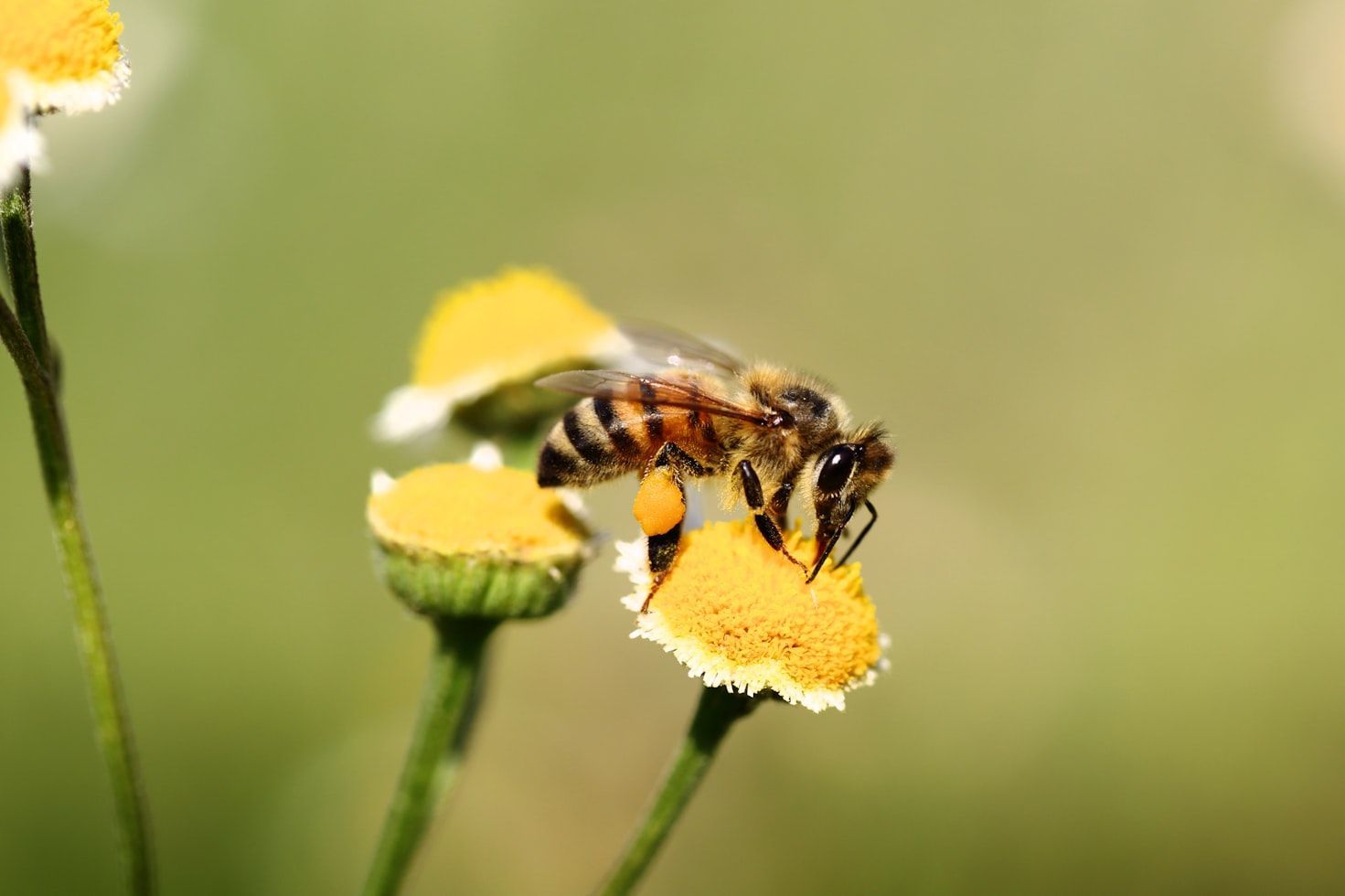
In general, bees aren’t violent, but they should be treated with the utmost respect and care since they tend to act in self-defense. When they sting, they can cause anything from a minor injury to acute poisoning if the attack occurs on a person allergic to their venom.

The Apis mellifera scutellata (Africanized honey bee) are among the most fearsome because they act in swarms: although they attack only if provoked, their defense mechanism is so aggressive that they do not stop until they catch and sometimes kill their prey. In the United States alone, between 50 and 100 people die each year as victims of bee attacks.

6

Lions

Image: Amar Yashlaha

Despite being carnivores and eating any animal they come across to satisfy their hunger, they kill far fewer people in the world than one might expect. In Tanzania, the birthplace of the African lion, about 22 humans die each year attacked by these animals and it is estimated that there are no more than 100 victims worldwide.

Not that lions are not to be feared: they attack in groups, are capable of running at a speed of 46.0 mph, and can digest 66 lb of meat in a single meal with their sharp teeth and particular claws. So, beware!

7

Jellyfish

Image: Mathieu CHIRICO

Although it’s not in their nature to attack their prey, jellyfish can be dangerous to humans. If you accidentally touch one while swimming, you will be stung and its tentacles will immediately release venom, in many cases even if the animal is dead.

Some species, such as the box jellyfish —found in Australia, the Philippines, and other tropical areas—, are the most lethal. They send out toxic stingers capable of stopping a person's heart in less than five minutes. Jellyfish stings affect hundreds of thousands of humans globally, and numbers indicate that up to 100 of those are fatal. Believe it or not, the smallest are the most poisonous!

8

Spiders

Image: Wyxina Tresse

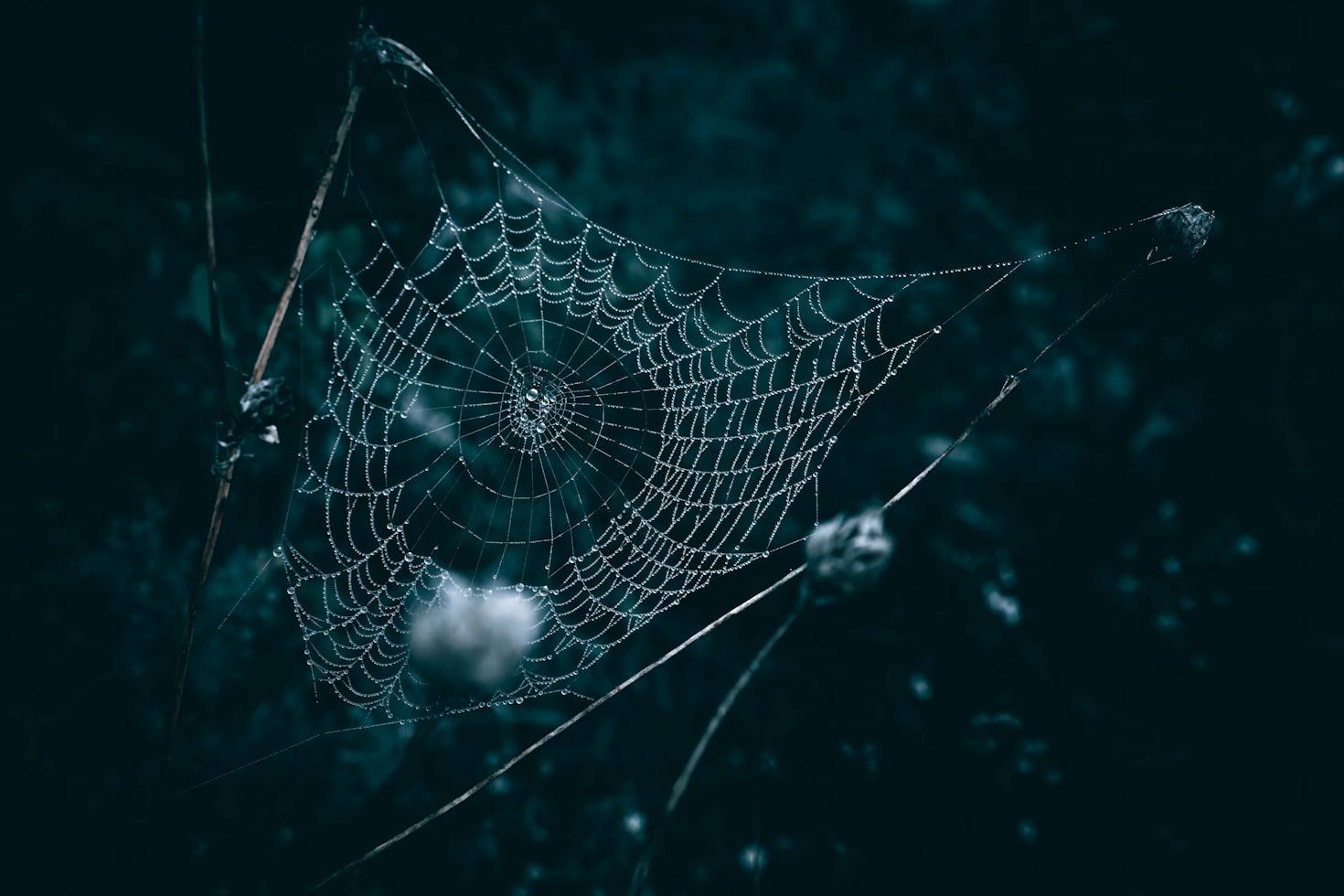
Like most animals, spiders will attack only if they feel in danger. If they bite, many pose no threat to humans other than mild swelling or a rash. Others, however, carry deadly venom, such as the Brown Widow, the Red Widow, the Redback, and the Funnel-web spiders.

Fortunately, there are effective antidotes for almost all spider bites. Yet, at least 50 people die worldwide each year, 7 of them in the United States.

9

Crocodiles

Image: Jen Palmer

These ancient animals are the largest reptiles in the world —they can be up to 20 feet long and weigh over 2,200 lbs. Their powerful jaws and high-action speed make them terrifying to their prey, including humans.

The most dangerous are the saltwater species, abundant in swampy areas of Southeast Asia, northern Australia, and Africa. Saltwater crocodiles are responsible for at least 1,000 deaths annually, the highest number of victims for a large animal.

10

Ants

Image: Yanuka Deneth

Did you know that there is a species of ant that releases a poison even more powerful than arsenic or cyanide? The bulldog ant, considered the most dangerous ant in the world, is solitary and aggressive. It lives in parts of Australia, and if it feels threatened, it can cling to its prey with its jaws and sting simultaneously, killing an adult in just 15 minutes.

Another ant to watch out for is the Siafu ant, also known as the army ant. Known for having larger mandibles than most insects of its size, it is found in West Africa and the Congo. This species of ant attacks in groups and can devour an animal a thousand times bigger than their size.

11

Dogs

Image: Devon Janse van Rensburg

Although it may sound strange, man's best friend is the third-deadliest animal to humans. While deaths from dog attacks are uncommon, a bite from these animals can transmit a lethal disease.

According to the World Health Organization (WHO), 59,000 people die each year worldwide from rabies —95% of them in Asia and Africa— a virus transmitted by the saliva of unvaccinated dogs.

12

Mosquitoes

Image: National Institute of Allergy and Infectious Diseases

When you think of the most lethal animal to humans, what comes to mind? Perhaps a shark or any of the venomous creatures listed in this article, such as snakes and scorpions. Well, you’d be wrong. According to the U.S. Centers for Disease Control and Prevention (CDC), the animal that threatens human life the most is none other than the mosquito.

Yes, this slender, long-legged little insect, whose buzzing sound is one of the most annoying sounds in the world, is the deadliest animal on the planet. Why? Because mosquitoes are vectors of many dangerous diseases, such as malaria and dengue fever. According to the WHO, mosquito-borne diseases cause some 700,000 deaths a year.

Looking for an extra scoop of literary fun?

Learn more with our Word of the day

alter

/ˈɔltər/